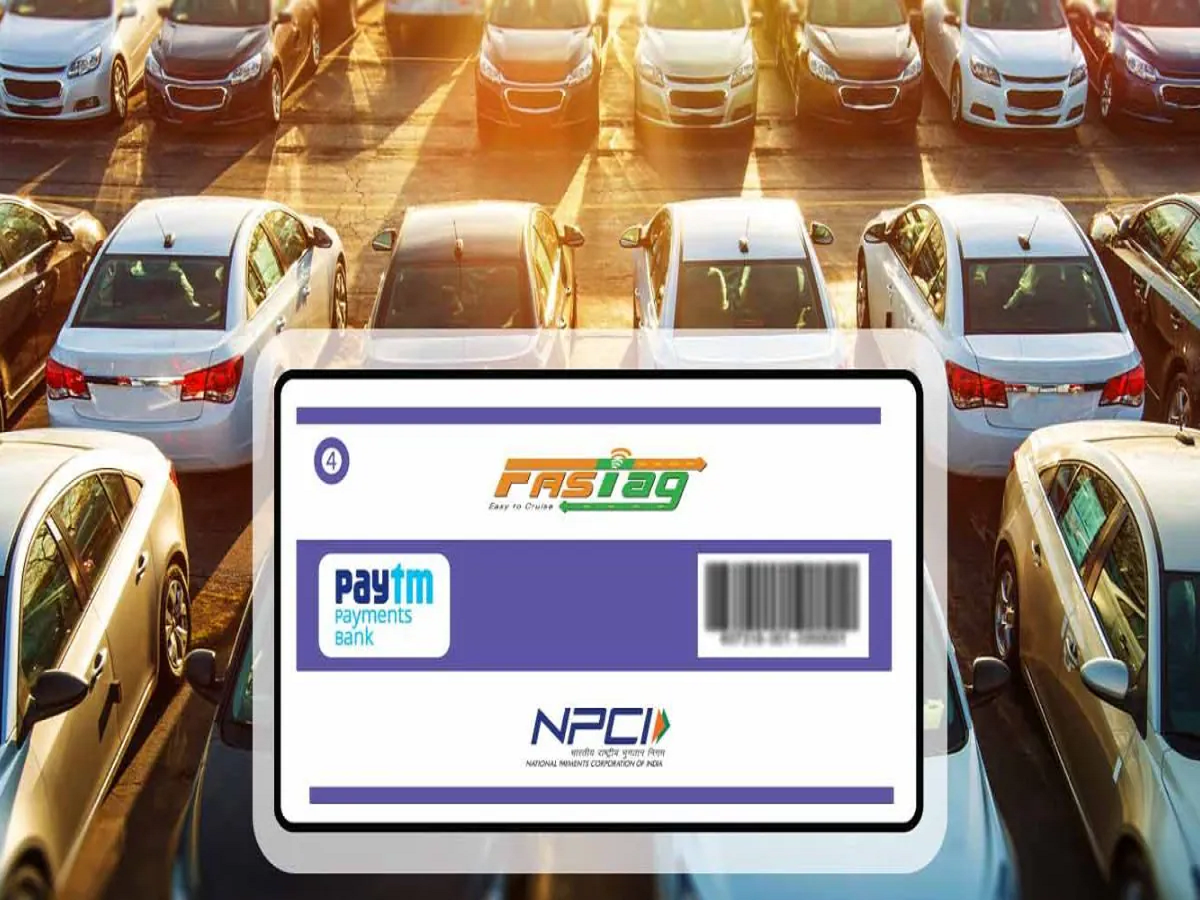
FASTag has made toll payments quicker and more convenient for millions of motorists in India. Instead of stopping at a toll plaza to pay cash, drivers can use the electronic toll collection system to pay automatically as their vehicles pass through designated lanes.
However, incorrect vehicle details, insufficient balance or problems with a FASTag account can cause delays during a journey. Understanding how the system works can help vehicle owners avoid unnecessary trouble.
1. What Is FASTag and How Does It Work?
FASTag is an electronic toll collection tag linked to a vehicle. It uses Radio Frequency Identification (RFID) technology to enable toll payments at supported toll plazas.
The tag is generally attached to the vehicle's windscreen. When the vehicle passes through a FASTag-enabled lane, the toll amount is deducted from the linked account or prepaid balance, depending on the product and issuing institution.
The system reduces the need for cash payments and can help improve traffic flow at toll plazas.
2. Keep Sufficient Balance Before Starting a Journey
One of the most common problems motorists face is insufficient FASTag balance.
Before travelling on a highway, check your available balance through your issuing bank's application, FASTag portal or other authorised service. Recharge the account if necessary.
Do not wait until reaching a toll plaza to discover that the balance is inadequate. Keeping a reasonable balance can help avoid delays and payment complications.
3. Make Sure Your FASTag Is Linked to the Correct Vehicle
FASTag is intended for use with the vehicle for which it was issued. Using a tag on another vehicle or entering incorrect vehicle information can lead to verification problems.
Check that the vehicle registration number and other required details are correct. If you sell your vehicle, contact the issuing bank or authorised provider to close, transfer or update the account according to the applicable procedure.
Never assume that a FASTag automatically transfers to a new owner when a vehicle is sold.
4. What Is the One Vehicle, One FASTag Rule?
The National Highways Authority of India introduced the One Vehicle, One FASTag initiative to discourage the use of multiple active FASTags for the same vehicle.
Vehicle owners should keep their current FASTag active and ensure that older or unused tags are properly closed through the issuing bank or provider.
If multiple tags are associated with the same vehicle, contact the issuer to understand which tag should remain active and how the others should be deactivated.
5. What Happens If Your FASTag Does Not Work?
A FASTag may fail to work because of insufficient balance, an inactive account, incorrect vehicle details, a damaged tag or a technical issue at the toll plaza.
If this happens, follow the instructions of the toll operator and use an accepted alternative payment method where permitted.
Afterwards, check your account status and contact the issuing bank if the problem continues. Avoid purchasing a replacement tag immediately without checking whether the existing account can be reactivated or corrected.
6. How Can You Check FASTag Transactions?
Vehicle owners should regularly review their FASTag transaction history.
Checking transactions can help identify unexpected deductions, duplicate charges or toll payments that do not match the journey undertaken.
If you notice a suspicious transaction, save the transaction reference and contact the issuing bank or authorised FASTag provider. Use the official complaint process and retain any supporting information until the issue is resolved.
7. Avoid Fake FASTag Recharge Links
Fraudsters may send messages claiming that a FASTag account will be blocked unless the user immediately completes a recharge or verification process.
Do not click unknown links or share OTPs, banking passwords, card details or UPI PINs with anyone claiming to be a FASTag representative.
Recharge only through your issuing bank or another authorised channel. If a message creates urgency or threatens immediate account suspension, independently verify it before taking action.
Conclusion
FASTag is an important part of India's electronic toll collection system, but motorists still need to maintain their accounts properly.
Keeping sufficient balance, using the correct tag, closing old FASTags and checking transaction records can help make highway travel smoother. Before a long journey, take a few minutes to verify your FASTag status and recharge it if necessary.
For current requirements, recharge options and complaints, consult the official National Highways Authority of India or your FASTag issuer. Rules and procedures may change, so verify the latest instructions before acting.