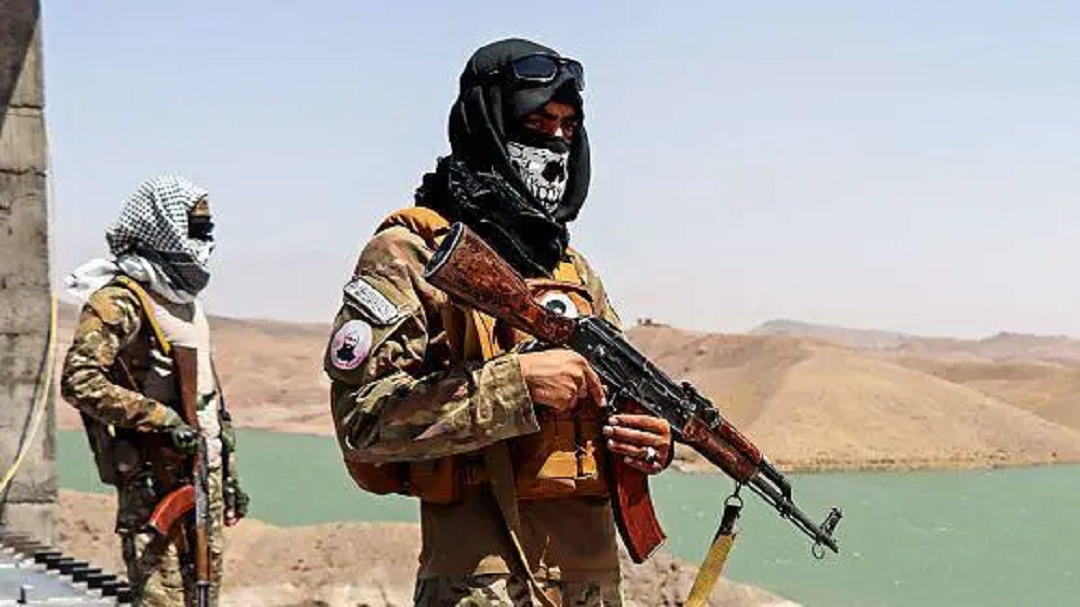
Tensions Flare at Afghanistan-Pakistan Border: Taliban-Pak Forces Exchange Fire, Qatar and Saudi Arabia Urge Restraint
Fresh clashes erupted late Saturday night along the Afghanistan-Pakistan border, escalating tensions between the two neighboring nations. According to multiple reports, Taliban forces attacked Pakistani border posts, prompting heavy retaliatory fire from Pakistan’s side. The incident occurred just days after a series of deadly explosions in Kabul that the Taliban blamed on Pakistan.
The Taliban’s Ministry of Defense issued a statement accusing Islamabad of orchestrating airstrikes inside Afghanistan earlier in the week, warning that Pakistan’s army would have to “face consequences.” Pakistan, however, has yet to issue a formal response to the allegations.
Intense Fighting at Multiple Border Points
Security officials from both sides told Reuters that fierce cross-border exchanges took place across several locations on Saturday night. Pakistani military sources confirmed that Afghan forces opened fire “without provocation” at more than six points along the Durand Line, to which the Pakistani army responded with “full force.”
The Taliban military claimed to have captured three Pakistani outposts, though Islamabad’s defense sources countered, asserting that several Afghan positions had been destroyed in the retaliatory action.
Eyewitnesses from the Afghan provinces of Kunar, Khost, Paktia, and Helmand reported hearing heavy gunfire and artillery throughout the night. Meanwhile, residents near the Pakistani district of Kurram told BBC Urdu that both sides exchanged heavy weapons fire, leaving at least two people injured.
"1892" data-end="2107">The latest violence follows a statement from the Taliban’s Defense Ministry accusing Pakistan of violating Afghan airspace and conducting air raids near Kabul and in the Paktika province’s Margha area.
The ministry warned:
“Pakistan’s military has again breached Afghan airspace. Any further provocation will have consequences. The Pakistani army will be held responsible for escalation.”
During a press briefing in Peshawar, Pakistani military spokesperson Lt. Gen. Ahmed Sharif Chaudhry avoided directly addressing the allegation but remarked that terrorists were using Afghan soil to attack Pakistan. He reiterated that Pakistan would continue to take “necessary steps” to protect its citizens.
Regional Concern: Qatar and Saudi Arabia Call for De-escalation
The growing border conflict has drawn concern from Gulf nations, particularly Saudi Arabia and Qatar, who have both appealed for calm.
In an official statement, the Saudi Foreign Ministry said it was “deeply concerned” about the rising tensions and urged both nations to exercise restraint and prioritize dialogue.
“Saudi Arabia is closely monitoring the situation. We call on both sides to adopt diplomatic means to ensure stability and peace in the region,” the statement read.
Notably, Saudi Arabia and Pakistan recently signed a mutual defense agreement, which states that an attack on one nation will be considered an attack on both — adding further sensitivity to the current border crisis.
Meanwhile, Qatar’s Foreign Ministry echoed similar sentiments, emphasizing that peaceful dialogue and diplomacy are the only viable solutions to prevent further bloodshed and regional instability.
Diplomatic Angle: Muttaqi’s India Visit Adds Complexity
Adding another layer to the situation, Taliban’s acting Foreign Minister Amir Khan Muttaqi—currently on a visit to India—recently warned Pakistan to “avoid repeating its mistakes.” Muttaqi’s visit to New Delhi and his remarks have sparked speculation that Afghanistan’s regional diplomacy may be shifting amid the rising tension with Pakistan.
When asked about the cross-border attacks, Muttaqi claimed,
“Afghanistan’s borders have been attacked. We will not allow any country to violate our sovereignty again.”
In contrast, Pakistan’s Foreign Ministry dismissed the Taliban’s claims, stating:
“Terrorism is not an internal issue for Pakistan alone. We have repeatedly shared evidence of terrorist groups operating from Afghan soil. The interim Afghan government cannot evade responsibility for ensuring peace and security in the region.”
The Broader Context: Old Fault Lines Resurface
The Durand Line, which divides Afghanistan and Pakistan, has long been a flashpoint. While Pakistan recognizes it as the official boundary, the Taliban government in Kabul does not. Disputes over territory, airspace violations, and militant activity have repeatedly triggered armed confrontations over the past two years.
Analysts warn that escalating violence could destabilize border provinces and undermine regional cooperation efforts. The involvement of Gulf nations like Saudi Arabia and Qatar signals growing international anxiety about security and stability in South Asia.