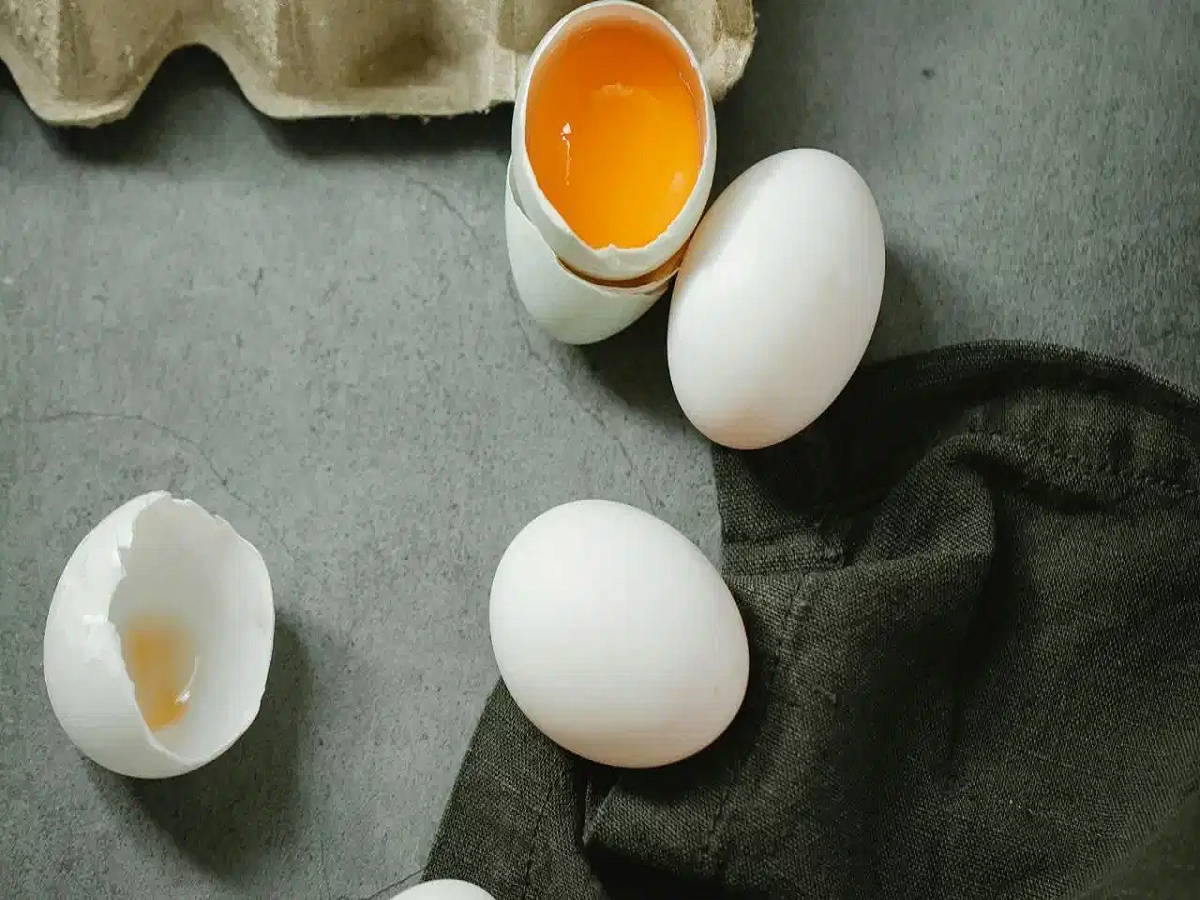
Eggs are universally celebrated as an affordable dietary superfood. Packed with high-quality protein, calcium, iron, folate, choline, and essential vitamins (A, D, and $B_{12}$), they are a staple for anyone looking to build muscle, manage weight, or boost brain and vision health. Because they are such a daily essential, many families buy them in bulk, stocking up on entire trays at a time.
However, eggs don't last forever. Consuming a stale or spoiled egg can lead to severe gastrointestinal distress, including food poisoning, acute stomach pain, vomiting, and bacterial infections like Salmonella. To safeguard public health, the Food Safety and Standards Authority of India (FSSAI) shared a simple, scientifically backed home experiment to check an egg's freshness—without ever breaking the shell.
The FSSAI Float Test: A Visual Guide
The ultimate way to determine an egg's structural integrity at home requires nothing more than a deep glass or bowl filled with ambient-temperature water. Gently lower your egg into the water and observe its behavior:
Understanding the Results
-
The Fresh Egg (Sinks flat to the bottom): If the egg drops quickly to the bottom and rests horizontally on its side, it is perfectly fresh, nutrient-dense, and completely safe to consume.
-
The Aging Egg (Stands upright at the bottom): If the egg sinks to the bottom but stands tilted or completely upright on its pointed end, it is losing its freshness. While it is still edible, it should be consumed soon (ideally hard-boiled or used in baking).
-
The Spoiled Egg (Floats directly to the top): If the egg stays buoyant or bobbles at the surface of the water, it is completely spoiled and inedible. Throw it away immediately.
The Science Behind the Float: Eggshells are naturally porous. Over time, the moisture inside the egg gradually evaporates through these microscopic pores and is replaced by atmospheric gases. This causes the internal yolk and white to shrink, expanding the internal pocket of air (called the air cell). The larger the air cell becomes, the more buoyant the egg gets, causing old or rotten eggs to float.
Beware of "Cosmetic Adulteration" on Shells
Beyond natural aging, FSSAI warns consumers to look out for modern adulteration tactics used by unscrupulous traders.
To make older stock appear visually appealing, some sellers coat stale eggs with a fine layer of synthetic chemicals or mineral oils. This artificial glaze mimics the natural glossy bloom of a freshly laid egg. While it makes the product look premium on store shelves, consuming eggs exposed to these surface chemicals significantly increases the risk of synthetic chemical contamination, localized skin allergies, and severe digestive disruption.
Always rely on the structural water float test rather than a shiny appearance to verify what you are feeding your family.