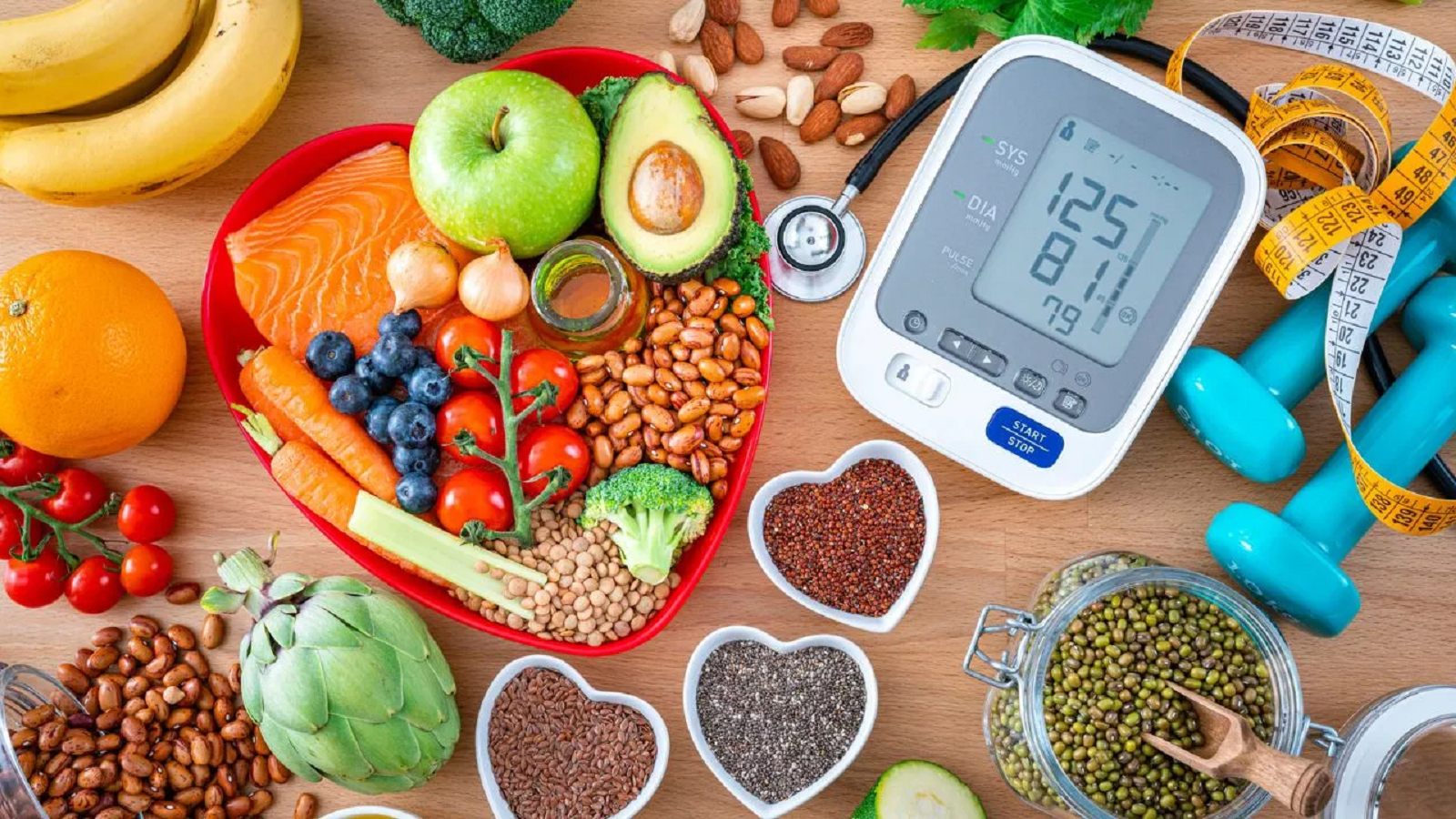
High blood pressure can lead to several serious health problems, including heart disease and stroke. During winter, changes in eating habits and lifestyle can increase the risk of elevated blood pressure. That’s why it becomes important to focus on foods that naturally help manage it. Dr. Neeraj Nischal from the Department of Medicine at AIIMS, Delhi, explains which foods should be included in your winter diet to maintain healthy blood pressure levels.
Dr. Neeraj emphasizes that blood pressure control is crucial throughout the year, but winter calls for extra care. Certain seasonal foods can significantly help in managing hypertension.
Spinach
Dr. Neeraj recommends eating spinach during the winter season. It is highly effective in managing high blood pressure. Research shows that consuming 150 grams of spinach daily can help bring down elevated blood pressure. Spinach is rich in natural nitrates, which help relax blood vessels. It also contains antioxidants, potassium, calcium, and magnesium — all beneficial for heart health.
Dried fruits and seeds
Several dried fruits and seeds have been shown to support healthy blood pressure when included in a balanced diet. These nutrient-rich options provide good fats, minerals, and antioxidants. Beneficial options include:
• Pumpkin seeds
• Flaxseeds
• Chia seeds
• Pistachios
• Walnuts
• Almonds
Carrots
Fresh, crisp carrots are another winter essential. A 2023 study found that eating around 100 grams of carrots daily (roughly one cup of grated raw carrots) can reduce the risk of high blood pressure by up to 10 percent. Their antioxidants and potassium help keep blood pressure stable.
Eggs
Eggs are rich in high-quality protein and essential nutrients. Recent research also links egg consumption to better blood pressure control. A 2023 study of 2,349 adults in the U.S. showed that people who ate five or more eggs per week had blood pressure levels 2.5 mm Hg lower than those who consumed less than half an egg per week. Regular egg eaters were also less likely to develop long-term hypertension.