BIZARRE
Gaurd Purana: Where does the soul go after an untimely death? Does the soul truly wander? The secrets of the Garuda Purana will surprise you
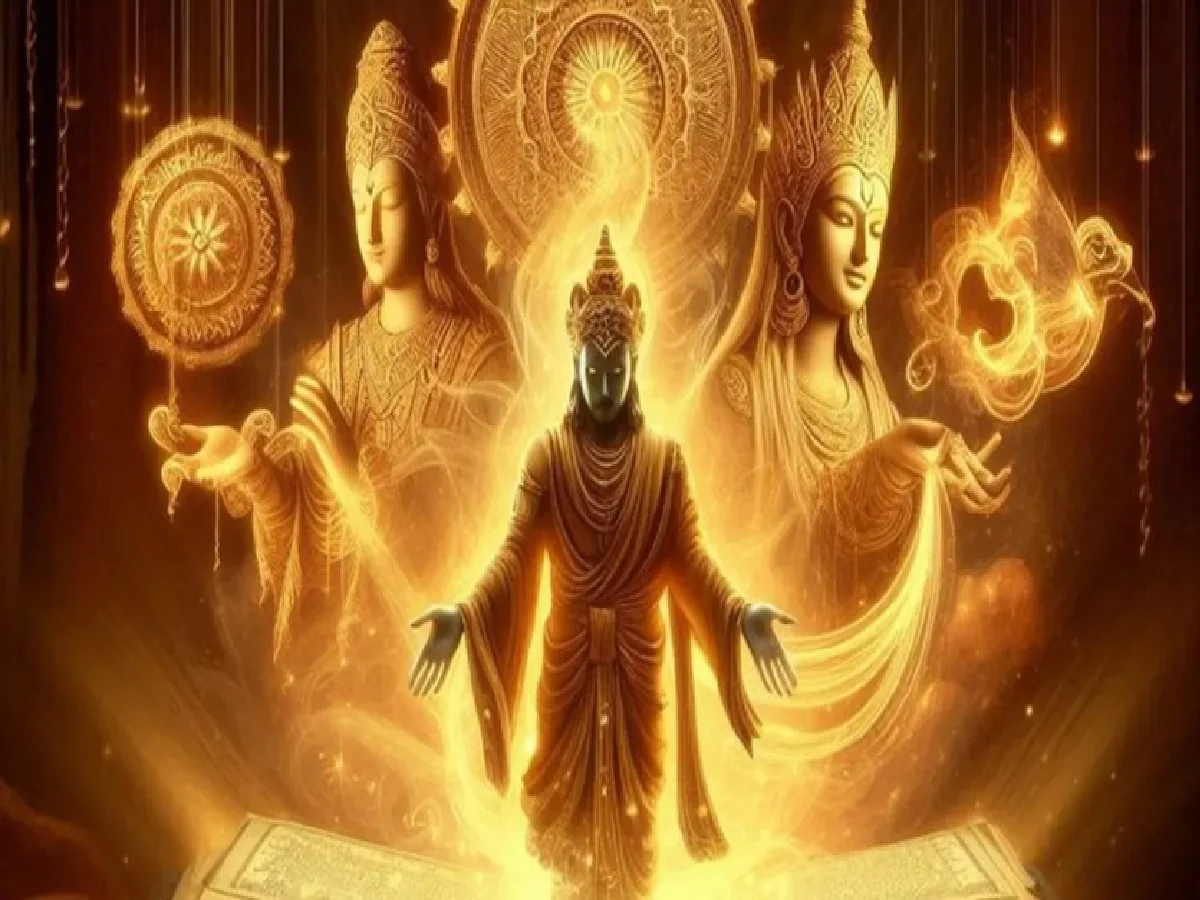
The reality of death haunts every human being, but the thought of an untimely death is even more frightening. When a person suddenly passes away due to circumstances like an accident, illness, or suicide, a question inevitably arises in the minds of those left behind: what happens to their soul? Does it immediately receive a new birth, or does it continue to wander? This mystery is addressed in detail in Hindu scriptures, especially the Garuda Purana. This text not only describes the journey after death but also explains the deep connection between karma, age, and salvation. Even today, many families rely on this knowledge when performing rituals after an untimely death.
What is premature death and can it be prevented?
According to religious beliefs, every person's life is linked to their actions. Under normal circumstances, life ends at a certain point, but when events such as an accident, a terminal illness, or suicide occur, it is considered an untimely death. The Garuda Purana states that the body perishes, but the soul continues to live. This means that the soul must wander until its time in this world is over.
Effects of planetary defects, habits and actions
Bad company, intoxication, violence, or wrongdoings are believed to disrupt a person's energy and balance in life. Many attribute this to planetary influences or sins. However, religious beliefs also suggest that charity, chanting, service, and remembering God can help avoid even major adversities. Nevertheless, what is destined cannot be completely changed – it is considered a balance between life and death.
Where does the soul go after untimely death?
In a normal death, the soul is believed to go to Yamaloka, but the circumstances of an untimely death are described differently. In such cases, the soul's worldly desires remain unfulfilled – family, relationships, responsibilities, or unfulfilled wishes bind it to earth.
The belief of wandering in the world of ghosts
According to scriptures, the soul of a person who dies prematurely remains in a ghostly state until the end of their natural life. This is why many cultures emphasize special rituals after a sudden death. Even today, in rural communities, people believe that the deceased's unfulfilled wishes or memories are felt most strongly within their family—a belief passed down from generation to generation.
How does the soul attain peace and liberation?
According to religious traditions, the family's responsibility increases after an untimely death. Certain rituals are prescribed to alleviate the soul's suffering and speed its recovery.
Of these, Pind Daan and Narayan Bali are of paramount importance. It is believed that offering Pind Daan or Narayan Bali at sacred pilgrimage sites helps the soul find its way. These rituals are considered special for those who have died prematurely or untimely. Many families travel to pilgrimage sites like Gaya, Prayag, or Nashik to perform these rituals so that the departed soul can find peace.
The effect of Shanti Path and donation
Rituals performed 10-13 days after the funeral—such as reciting Shanti Path, mantras, feeding Brahmins, or giving alms—are believed to ease the soul's journey. This ritual is not only a religious ritual but also provides mental solace to the family.
What does Garuda Purana say about the path to salvation?
Moksha is liberation from the cycle of birth and death. This state is believed to be possible only when a person practices selfless action, compassion, service, and truthfulness. It is believed that those who perform their duties without seeking reward, help others, and remember God attain the divine realm. It is considered the highest state after the end of life.
PC:Rajasthan Kahbre