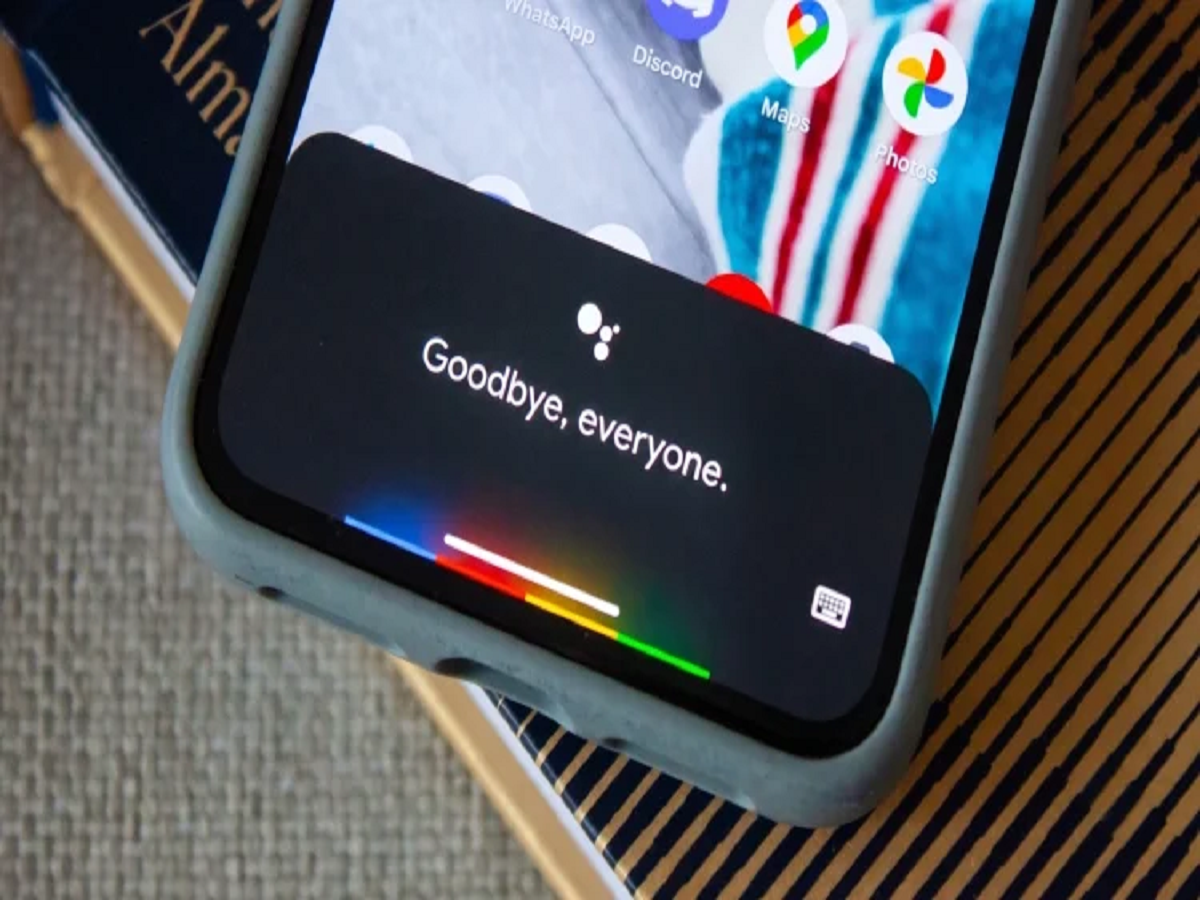
If you still use “Hey Google” or “OK Google” to set alarms, make calls, check the weather or control smart-home devices, there is an important change coming. Google is phasing out the traditional Google Assistant experience on smartphones and moving users toward Gemini.
The transition is expected to be completed by the end of August 2026, marking a major change in how Android users interact with Google's voice assistant.
Why is Google replacing Assistant?
Google Assistant has been a familiar part of Android phones for years. It was mainly designed to respond quickly to straightforward commands such as setting reminders, checking the weather, starting navigation or making calls.
Google is now shifting toward Gemini, its newer generative-AI assistant. Gemini is designed to understand more conversational requests and provide more detailed responses rather than simply carrying out individual commands.
What will happen to “Hey Google”?
The traditional Google Assistant experience on smartphones is being phased out.
Instead, users will increasingly interact with Gemini for voice commands and other assistant functions. The exact experience can vary depending on the device, Android version and Google's rollout.
For many users, the biggest difference will be that everyday commands that were previously handled by Assistant will now be processed through Gemini.
Gemini can do more than simple voice commands
One of the biggest reasons behind the transition is Gemini's ability to handle more complicated requests.
For example, instead of asking separate questions, users can have a more natural conversation with Gemini and ask follow-up questions based on the previous response.
This makes the assistant more useful for tasks such as planning, summarising information, brainstorming ideas and understanding longer or more complicated requests.
But some users may miss Google Assistant
The change isn't necessarily an upgrade for every task.
Google Assistant was popular because it was simple and predictable. A short command such as setting an alarm or turning on a smart device could be completed quickly.
Gemini is designed to be more conversational and capable, but that can sometimes make simple interactions feel different from the old Assistant experience. This is one reason some users may need time to get used to the new system.
What should Android users do?
If you currently use Google Assistant, you don't necessarily need to do anything immediately.
Google is handling the transition as part of its wider move toward Gemini. Users should keep their Google and Android apps updated so they can receive the latest assistant features and compatibility updates.
You can also explore Gemini's settings to understand which voice commands, apps and device functions are available on your phone.
Why this is a big change for Android users
The move from Google Assistant to Gemini represents more than just a name change. It shows how smartphone assistants are moving from simple voice-command tools toward AI systems capable of understanding context and carrying out more complex tasks.
Google is also expanding AI capabilities across its wider ecosystem. At Google I/O Connect India 2026, the company highlighted its focus on multilingual AI, agentic capabilities, cybersecurity and AI applications designed specifically for India.