BUSINESS
Government Changes How Some DBT Benefits Are Paid: What CBDC-Based Direct Transfer Means for Beneficiaries
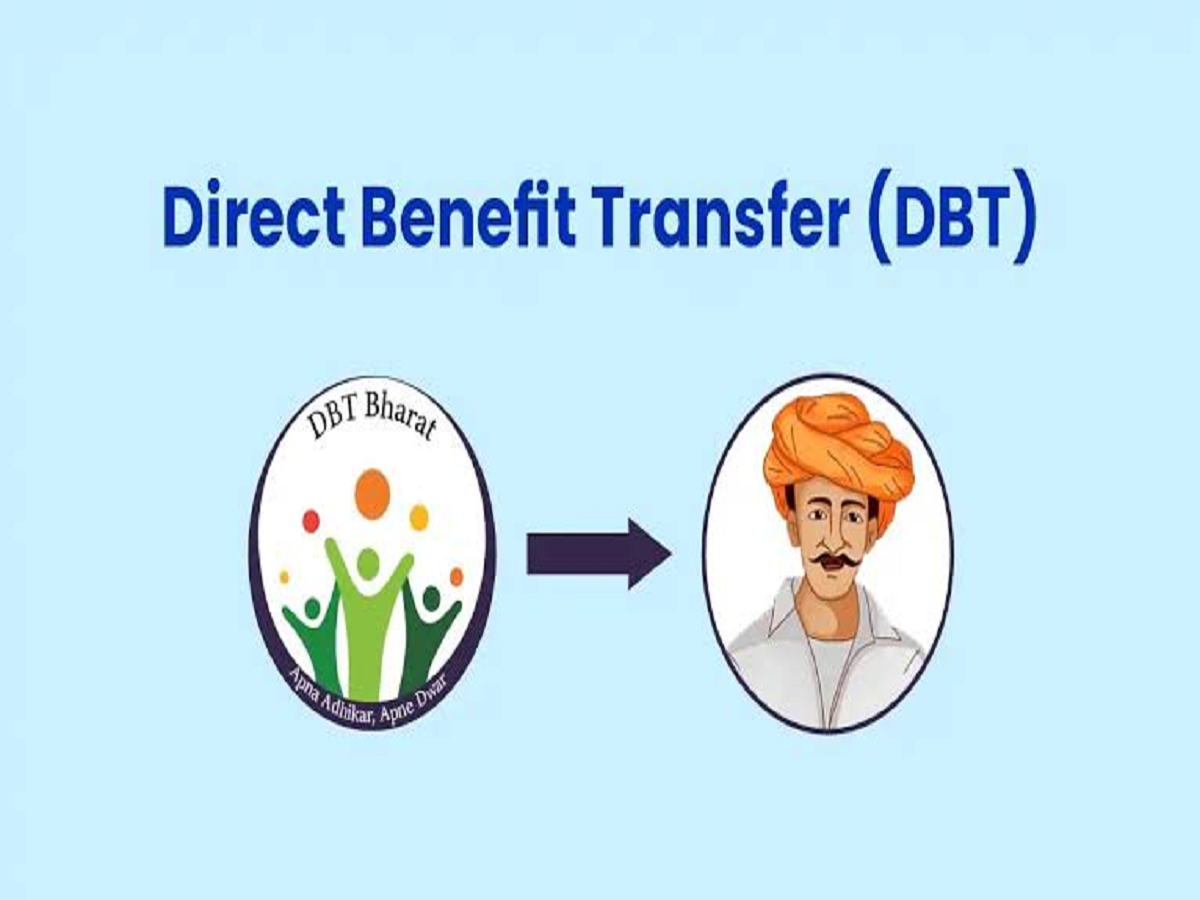
CBDC-Based DBT Explained: The way government benefits reach eligible citizens is gradually becoming more digital. In a new step towards modernising welfare payments, the government has moved ahead with a Central Bank Digital Currency (CBDC)-based Direct Benefit Transfer system, bringing the digital rupee into the benefit-delivery ecosystem.
The development could be important for beneficiaries of government schemes because Direct Benefit Transfer, commonly known as DBT, is already used to send subsidies and financial assistance directly to eligible recipients.
The new model adds another layer to India's expanding digital public infrastructure by exploring how the Reserve Bank of India's digital currency can be used for targeted government payments.
But what exactly is CBDC-based DBT, how is it different from receiving money in a normal bank account, and what should beneficiaries know? Here is a simple explanation.
What Is Direct Benefit Transfer or DBT?
Direct Benefit Transfer is the system through which government benefits are transferred directly to eligible beneficiaries instead of being distributed entirely through intermediaries.
DBT is used across a wide range of welfare programmes and has become an important part of India's subsidy and benefit-delivery system.
The model is designed to make transfers faster and more transparent while reducing duplication and leakages.
India's wider digital welfare architecture is supported by systems such as bank accounts, Aadhaar-based identification and mobile connectivity.
According to government information published in June 2026, DBT covered 327 schemes, while around ₹6.9 lakh crore was transferred through DBT programmes during FY 2024-25.
What Is CBDC and the Digital Rupee?
CBDC stands for Central Bank Digital Currency.
In India, it refers to the digital form of sovereign currency issued by the Reserve Bank of India. It is commonly referred to as the digital rupee or e₹.
It is important not to confuse the digital rupee with cryptocurrencies.
Cryptocurrencies are generally privately created digital assets whose values can fluctuate significantly. A central bank digital currency, in contrast, represents sovereign currency in digital form.
CBDC-based benefit transfers therefore involve the use of officially issued digital currency within the government's payment framework.
Where Is the New CBDC-Based DBT Initiative Being Introduced?
According to an August 2026 government update, the Centre announced the launch of a CBDC-based Direct Benefit Transfer initiative in the Union Territories of Chandigarh and Dadra & Nagar Haveli.
The initiative represents another experiment in combining India's welfare architecture with newer digital-payment technology.
Rather than assuming that every government subsidy across India will immediately shift to CBDC, beneficiaries should understand that such initiatives can be introduced in stages and for selected schemes or locations.
People should therefore check the official notification for the particular government benefit they receive before taking any action.
Will Your Existing Bank Account Stop Receiving DBT?
The introduction of CBDC-based transfers should not automatically be interpreted to mean that ordinary bank-based DBT payments are being discontinued nationwide.
India has an extensive existing DBT ecosystem built around bank accounts and digital identity.
The government said in June 2026 that more than 58 crore Pradhan Mantri Jan Dhan Yojana accounts existed, with deposits exceeding ₹3 lakh crore. Jan Dhan accounts have become an important channel for welfare transfers.
Any beneficiary receiving a subsidy, pension or other government assistance should follow instructions issued specifically for that scheme rather than acting on social-media messages claiming that all DBT rules have suddenly changed.
Why Could CBDC Be Useful for Government Benefits?
A digital currency issued by the central bank can potentially give policymakers additional flexibility in designing payment systems.
One possible advantage is the ability to create more targeted digital-payment mechanisms for particular government programmes.
Digital systems can also improve traceability and reduce the time required for transactions when implemented effectively.
For beneficiaries, however, the most important considerations will remain simple: whether the payment reaches the correct person, whether it can be accessed conveniently and whether the process remains secure.
India's Government Services Are Becoming Increasingly Digital
CBDC-based DBT is part of a much larger digital transformation in public services.
Platforms such as DigiLocker and UMANG have already brought many government services onto smartphones.
Government data published in March 2026 showed that DigiLocker had reached 67.63 crore users, with more than 950 crore documents issued through the platform.
UMANG, meanwhile, had recorded 10.25 crore user registrations and 723.36 crore transactions as of March 5, 2026. More than 2,400 government services were available through the platform.
Citizens can use UMANG for services connected with EPFO, pensions, PAN, Aadhaar, DigiLocker and several other government departments.
Beneficiaries Should Be Alert to Fraud
Whenever a new government payment system is introduced, fraudsters may attempt to exploit confusion surrounding the change.
Citizens should be suspicious of calls, SMS messages or WhatsApp messages claiming that they must immediately share an OTP, PIN, password or banking credential to continue receiving government benefits.
A genuine digital-payment process should never require a beneficiary to disclose confidential credentials to an unknown caller.
Users should also avoid installing applications through unverified APK files or links forwarded through social media.
If a scheme requires registration or an update, beneficiaries should confirm the requirement through an official government portal, department or authorised service centre.
Do You Need to Do Anything Right Now?
For most beneficiaries, there is no reason to make changes merely because a CBDC-based DBT initiative has been announced.
The correct action depends on the individual scheme and location.
If a particular benefit is moved to a new payment mechanism, beneficiaries should follow the instructions issued by the responsible government department. They should also ensure that their registered mobile number, bank information and other required records are accurate wherever applicable.
Most importantly, people should avoid responding to unofficial messages that create urgency by claiming that a subsidy or pension will be stopped immediately.
What the CBDC-Based DBT Move Means for Citizens
The government's CBDC-based DBT initiative indicates how India's welfare-payment infrastructure could evolve as digital currency technology develops.
DBT has already moved large-scale government payments directly into beneficiaries' accounts, while Aadhaar, Jan Dhan accounts and mobile services have expanded the digital infrastructure supporting welfare delivery.
The addition of the digital rupee could provide another option for delivering selected government benefits.
For beneficiaries, however, the practical rule remains unchanged: follow only official instructions, keep required records updated and never disclose confidential banking credentials in response to unsolicited calls or messages.
As CBDC-based DBT expands or is introduced for additional schemes, the most important details to watch will be eligibility, the payment process, supported locations and whether beneficiaries need to complete any additional registration.
Disclaimer: Government scheme rules, eligibility requirements and payment mechanisms may change. Beneficiaries should verify the latest instructions through the relevant government department or official portal before taking any action.