The Government of India is expanding its public Wi-Fi network under the PM-WANI (Prime Minister Wi-Fi Access Network Interface) programme, with new features designed to make public internet access easier and more convenient.
According to the latest government information, more than 4 lakh PM-WANI Wi-Fi hotspots had been deployed across the country as of February 28, 2026. Recent reforms introduced in May have also added QR-based authentication and shorter-duration Wi-Fi plans.
What Is PM-WANI?
PM-WANI is a government initiative designed to expand access to affordable public Wi-Fi through a network of public data offices and other participating entities.
The idea is simple: instead of depending only on mobile data, people can access Wi-Fi through participating hotspots in public locations.
This can be particularly useful in areas where mobile data connectivity is expensive, unreliable or heavily congested.
New QR-Based Authentication Makes Access Easier
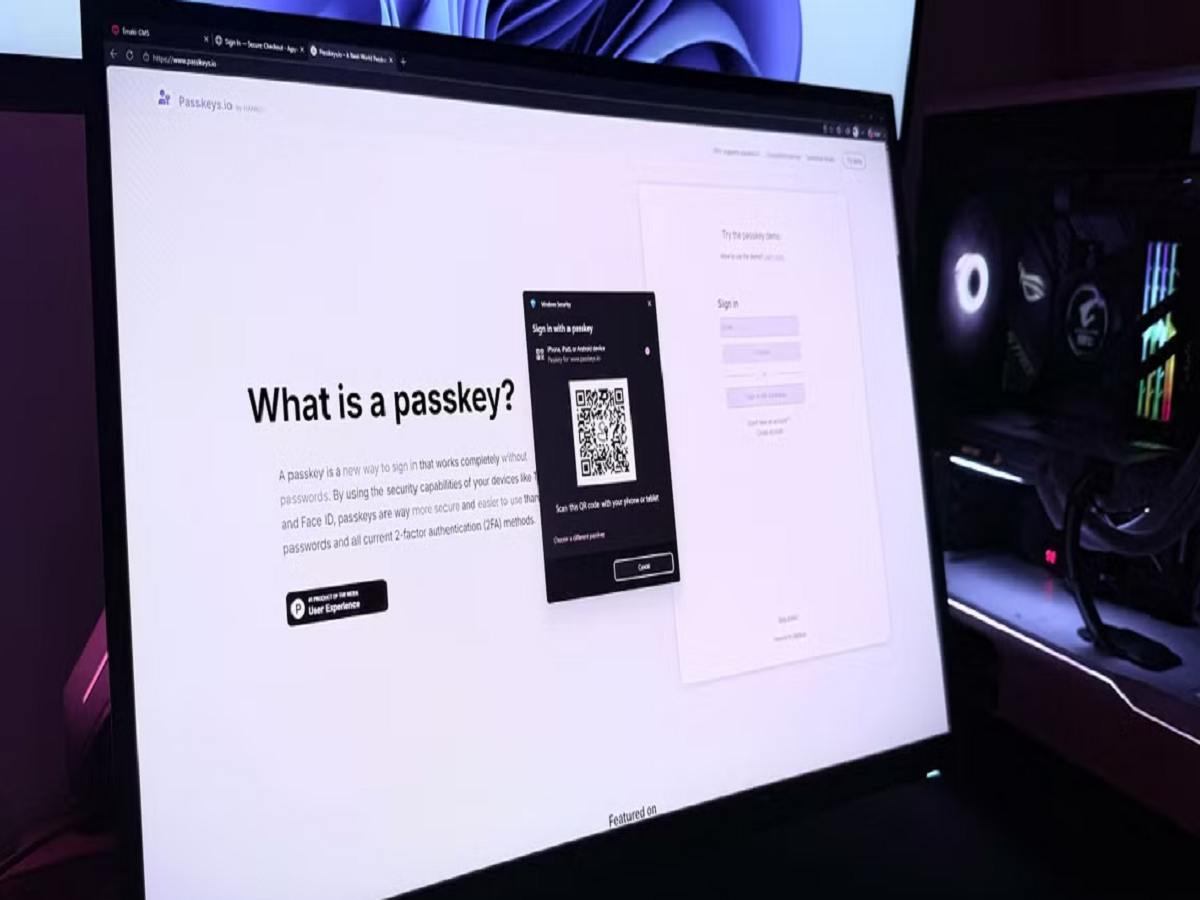
One of the notable changes introduced under the latest reforms is QR-based authentication.
This can make the process of connecting to participating PM-WANI hotspots more convenient, as users can authenticate through a QR-based system instead of relying entirely on traditional connection methods.
Short-Term Wi-Fi Plans Are Now Available
The government has also introduced shorter-duration plans under the revised PM-WANI framework.
Users can access 15-minute, 30-minute and 60-minute Wi-Fi plans, giving them more flexibility when they only need internet access for a short period.
For example, someone waiting at a public location may not need to purchase a long-duration internet package just to browse the web, check messages or complete a quick online task.
Standardised Hotspot Names Will Help Users
The May 2026 reforms also introduced standardised hotspot names.
This is intended to make participating PM-WANI networks easier to identify and could help users distinguish official participating hotspots from similarly named networks.
More Than 4 Lakh Hotspots Across India
The scale of the programme has grown significantly.
Government data shows that more than 4 lakh PM-WANI hotspots had been deployed nationwide by February 28, 2026.
The expansion is part of the government's broader effort to strengthen India's digital infrastructure and improve access to affordable internet services.
Who Can Benefit From PM-WANI?
Public Wi-Fi can be useful for a wide range of people, including students, workers, travellers and people who need temporary internet access.
It may be particularly helpful for users who want to save their mobile data while performing activities such as browsing websites, downloading documents or accessing online services.
However, users should still follow normal cybersecurity precautions when using any public Wi-Fi network.
Be Careful When Using Public Wi-Fi
A public Wi-Fi connection should not automatically be considered secure simply because it is available through a public network.
Avoid accessing highly sensitive accounts on unfamiliar networks whenever possible. Do not share passwords, banking information or other confidential details unless you are confident that the connection and website are secure.
Using HTTPS websites and keeping your phone or laptop updated can also provide additional protection.
PM-WANI Could Make Public Internet Access More Convenient
The latest changes are aimed at making India's public Wi-Fi ecosystem more accessible by combining a growing network of hotspots with easier authentication and flexible short-duration plans.
With more than 4 lakh hotspots already deployed, PM-WANI is becoming an increasingly important part of India's digital connectivity infrastructure.
For users, the main benefit is straightforward: more public Wi-Fi options and more flexible ways to get online without depending entirely on mobile data.