Getting legal information can often be difficult for people who do not have easy access to lawyers or legal services. To address this gap, the Government of India has approved DISHA 2.0, a revamped legal-access programme that includes a new technology-based component featuring an AI-powered chatbot.
The scheme, approved for the period from April 1, 2026 to March 31, 2031, has a total financial outlay of ₹255 crore. The government aims to use digital tools to make legal information and assistance more accessible to citizens.
What is DISHA 2.0?
DISHA stands for “Designing Innovative Solutions for Holistic Access to Justice.”
The programme is designed to support India's broader goal of improving access to justice, particularly for people who may face difficulties in understanding legal processes or accessing appropriate legal assistance.
The government has restructured the existing programme as DISHA 2.0 for a five-year period under the XVI Finance Commission cycle.
AI-powered Nyaya Setu chatbot introduced
One of the notable additions to DISHA 2.0 is VIDHI-Sanjeevani.
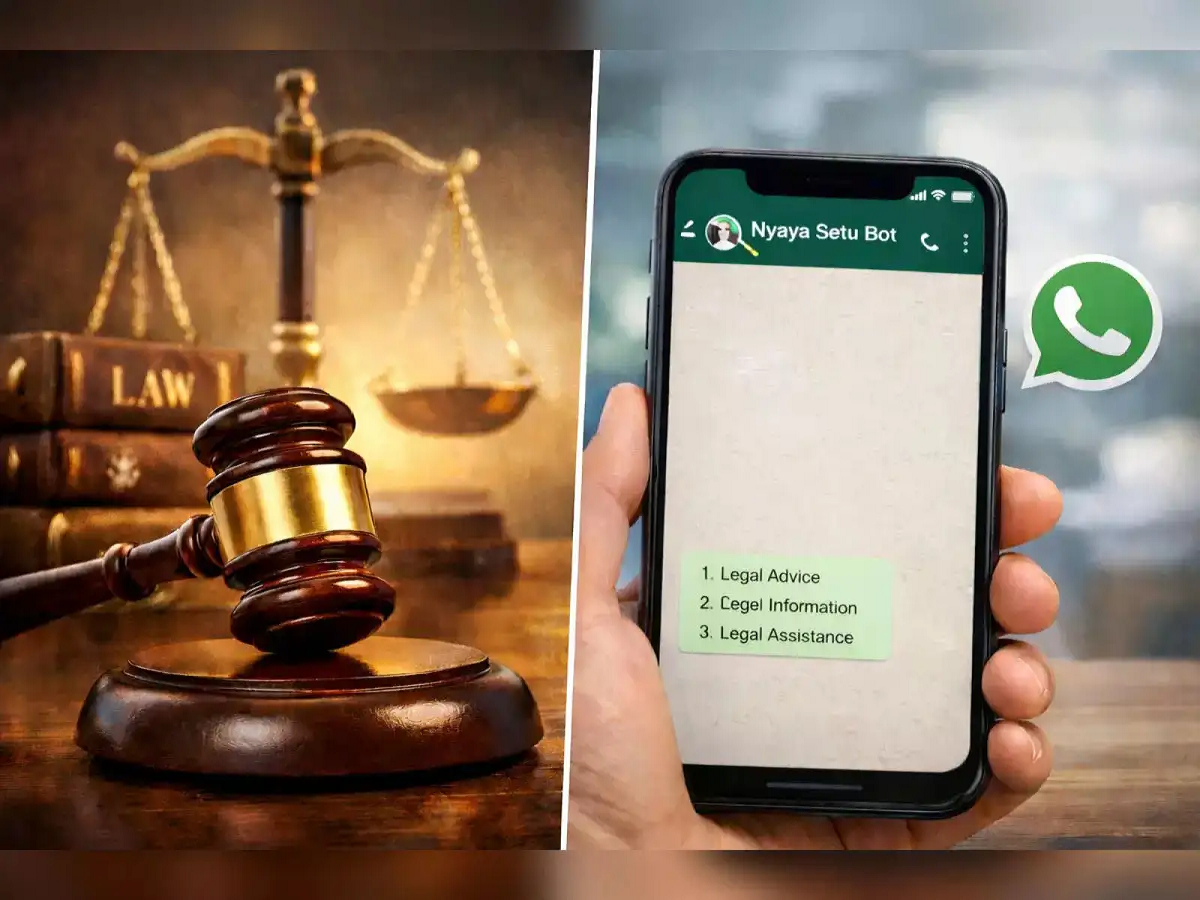
It includes a centralised digital platform and an AI-powered Nyaya Setu chatbot aimed at providing technology-enabled access to legal information and justice-related services.
The objective is to make it easier for citizens to find relevant information and navigate legal-service systems through digital platforms.
What can this mean for ordinary citizens?
Legal procedures can sometimes involve complicated terminology, multiple authorities and several procedural steps.
A technology-enabled platform can potentially make it easier for people to identify relevant legal information and understand where they may need to seek further assistance.
However, an AI-based legal-information tool should not be treated as a replacement for a qualified lawyer in matters requiring case-specific legal advice or representation.
Scheme targets wider outreach
The government has said DISHA 2.0 aims to reach a cumulative 3 crore beneficiaries through its four programme components.
The scheme is intended to strengthen various aspects of legal assistance and awareness while making greater use of technology in delivering justice-related services.
Why is digital access to justice important?
For many people, the first challenge is simply knowing where to seek help.
Digital platforms can potentially reduce some of these barriers by bringing information and services together in one place.
The government’s approach under DISHA 2.0 combines traditional legal-support mechanisms with newer technology-based solutions, including the AI-powered Nyaya Setu chatbot.
What is the role of AI here?
The use of AI under the scheme is focused on technology-enabled delivery of legal information and services.
The important point for users is that an AI chatbot can help with information and navigation, but it does not eliminate the need for professional legal advice where a person's rights, property, employment, family matters or criminal proceedings are involved.
Users should verify important legal information and consult an appropriate legal professional whenever their specific circumstances require it.
₹255 crore allocated for five years
DISHA 2.0 has received an approved financial outlay of ₹255 crore for the period 2026-27 to 2030-31.
The programme is funded entirely through Gross Budgetary Support from the Government of India.
A new approach to legal awareness
DISHA 2.0 represents an effort to combine legal-aid initiatives with digital technology.
With the introduction of the VIDHI-Sanjeevani component and the AI-powered Nyaya Setu chatbot, the government is seeking to create a more technology-driven system for helping citizens access legal information and services.
For ordinary citizens, the most important development is the attempt to make the first step toward accessing justice simpler: finding reliable information about where to go, what services may be available and how to navigate the legal system.