LIFESTYLE
Grow Nutrient-Rich Betel Leaves at Home: A Complete Step-by-Step Guide to Planting and Care
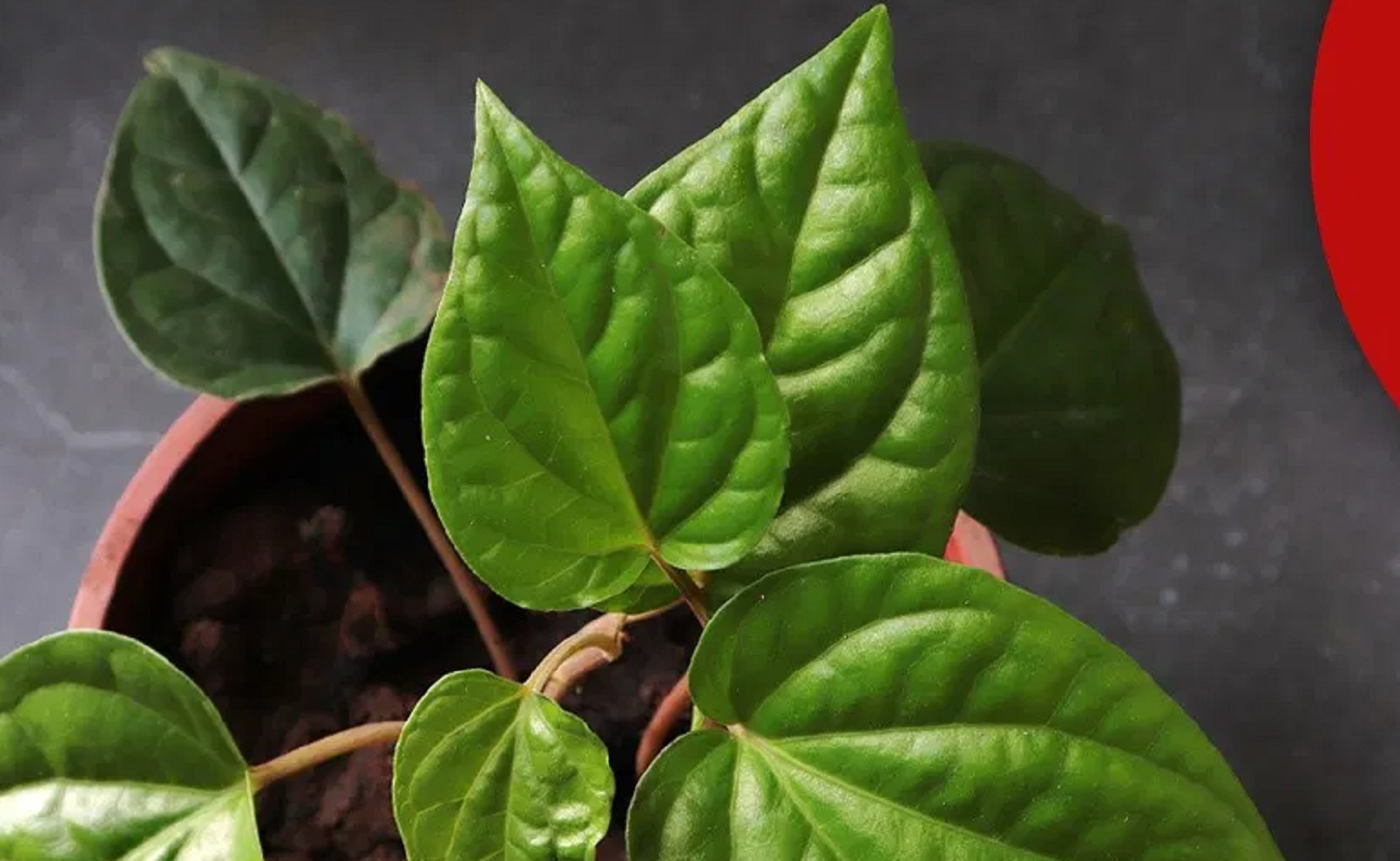
Betel leaves, or paan, have been a part of Indian tradition and Ayurveda for centuries. Considered sacred and rich in medicinal properties, paan is used in rituals and as a natural mouth freshener. Known for its therapeutic benefits, betel leaves are packed with nutrients and can help with digestion, colds, and other ailments. Growing this plant at home ensures you have a fresh, organic supply whenever needed.
Nutritional Value of Betel Leaves
According to Science Direct, betel leaves are rich in Vitamin C, B1, B2, fiber, iron, and calcium. They also contain natural compounds like eugenol, hydroxy chavicol, and chavibetol, which enhance their medicinal value.
Health Benefits
Betel leaves possess anti-inflammatory, antimicrobial, and antifungal properties that help fight infections. Ayurveda expert Dr. Kiran Gupta explains that they are high in antioxidants, calcium, and iron. Drinking boiled betel leaf water helps flush out toxins, reduces uric acid, aids digestion, and relieves phlegm.
How to Grow Betel Leaves at Home
-
Prepare Cuttings
Take a stem cutting from a healthy betel plant, leaving one leaf on it. Place the stem in a cup or bottle filled with water, ensuring the node is submerged. Change the water every 3–4 days. Within 15 days, roots will begin to develop. -
Prepare the Pot or Soil
Choose a wide, deep pot for better drainage, or clear the ground area of weeds and pebbles. Mix compost and cocopeat into the soil and lightly moisten it. Since betel is a climbing vine, install a small trellis or support net for growth. -
Planting the Betel Leaf
Once the roots appear, plant the stem about two inches deep into the prepared soil. Water lightly and ensure the soil remains moist but not waterlogged. Attach the vine to a net or clips for upward growth.
Care Tips
-
Place the plant in a shaded area with partial sunlight; avoid direct exposure.
-
Keep the soil moist at all times, but prevent standing water.
-
Spray the leaves occasionally to maintain their freshness.
-
Use organic fertilizers regularly for better growth.
-
If black or brown spots appear on the leaves due to pests, spray neem oil as a natural remedy.
With minimal care, you can enjoy fresh, aromatic betel leaves at home all year round — a perfect blend of tradition, taste, and wellness.