LIFESTYLE
Gujarat Launches 'Operation Health': Know the Difference Between Ice Cream and Frozen Desserts Before You Buy
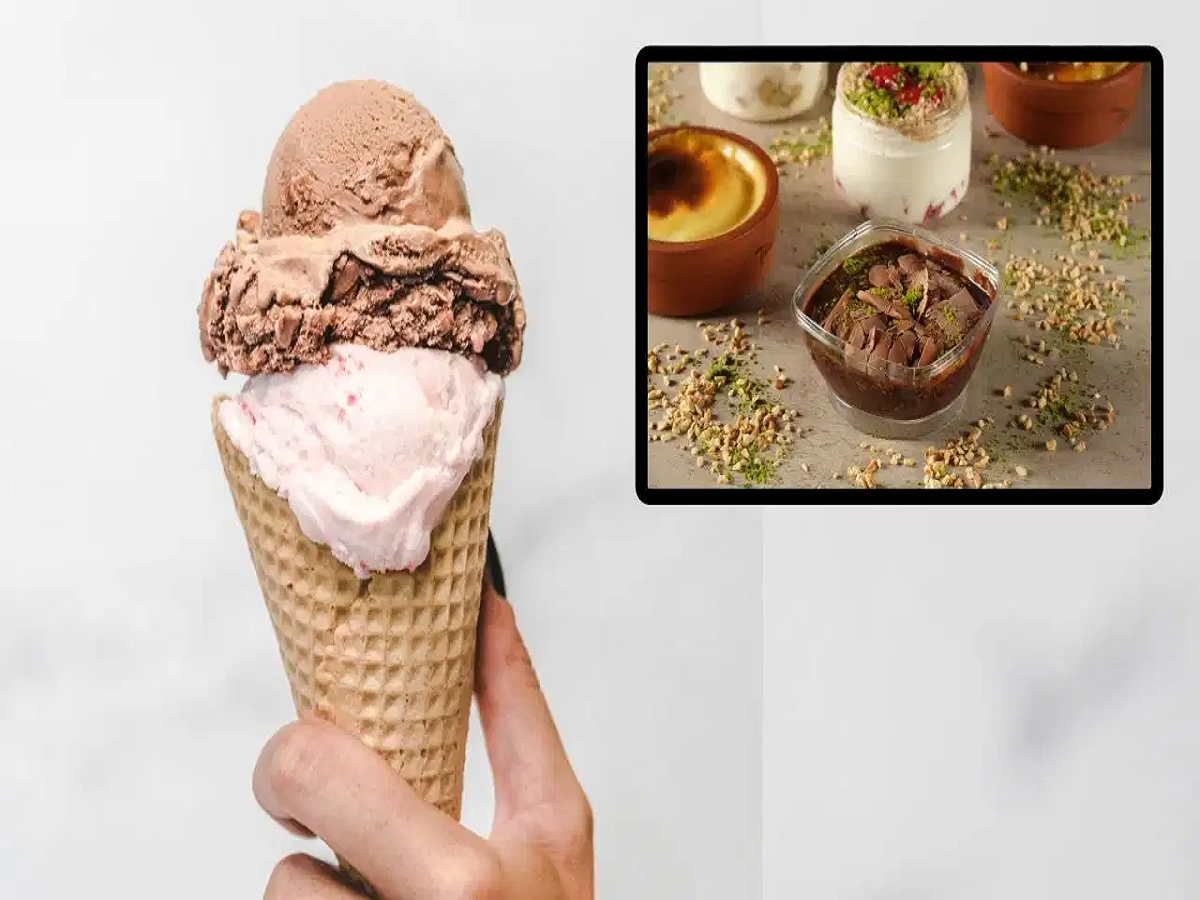
The Gujarat government has launched a state-wide awareness campaign called 'Operation Health' to educate consumers about the difference between ice cream and frozen desserts. The initiative aims to improve food safety, promote informed purchasing decisions and help people understand what goes into the products they consume.
The campaign was announced by Gujarat Health Minister Praful Pansheriya, who highlighted the lack of consumer awareness regarding the ingredients used in these two popular frozen products.
The initiative has been launched by the state Health Department in collaboration with the Food and Drug Control Administration (FDCA).
What Is 'Operation Health'?
'Operation Health' is a consumer awareness initiative designed to explain the differences between ice cream and frozen desserts.
According to the Health Minister, discussions were held between senior Health Department officials and representatives of the Food and Drug Department before launching the campaign.
Under this initiative, ice cream sellers across Gujarat will be encouraged to clearly inform customers whether the product being sold is traditional milk-fat ice cream or a frozen dessert made using vegetable fats.
Retailers will also be required under the announced campaign measures to display information explaining the differences between these products.
The primary objective is to ensure that consumers can identify what they are purchasing rather than assuming that every frozen product sold as a dessert is ice cream.
Why Are Ice Cream and Frozen Desserts Different?
Although both products look similar and are generally stored at low temperatures, their ingredients and composition can be different.
1. Ice Cream: Traditional ice cream is made using milk and milk fat, along with ingredients such as sugar, flavourings and other permitted components. Milk fat plays an important role in its texture, richness and taste.
2. Frozen Desserts: Frozen desserts may use vegetable fats, such as palm oil, instead of milk fat. They can also contain milk solids, milk powder, sugar and other ingredients depending on the formulation.
Both products are legally recognised food categories in India, provided they comply with the applicable food safety and labelling requirements.
Therefore, a frozen dessert is not necessarily an unsafe product. The important point is that consumers should be able to distinguish between the two categories.
How Can Consumers Identify Ice Cream and Frozen Desserts?
One of the easiest ways to identify these products is by checking the packaging label before purchasing.
Here are some important things consumers should look for:
-
Product name: Check whether the packaging identifies the product as ice cream or frozen dessert.
-
Fat source: Look for milk fat or vegetable fat in the ingredients list.
-
Ingredients: Check whether the product contains milk solids, milk powder, vegetable oils or other added ingredients.
-
Nutritional information: Compare the fat, sugar and calorie content rather than assuming one category is automatically healthier.
-
Food labelling: Check the manufacturer's details, FSSAI licence information and other mandatory declarations.
Consumers should remember that the presence of milk powder or vegetable oil does not automatically mean a product is unsafe. What matters is whether the product is correctly classified, manufactured and labelled.
What Is the Gujarat Government Trying to Achieve?
According to Health Minister Praful Pansheriya, a large section of consumers does not clearly understand the distinction between ice cream and frozen desserts.
The government wants to address this information gap through public awareness and clearer communication at retail outlets.
The campaign is expected to help consumers make informed choices, encourage transparency among sellers and strengthen food safety awareness across Gujarat.
It also highlights the importance of reading food labels instead of relying entirely on product appearance, advertisements or brand promotions.
Final Takeaway
Gujarat's 'Operation Health' campaign highlights an important issue concerning everyday food consumption: understanding the ingredients behind the products we buy.
Ice cream and frozen desserts may look similar, but their composition can differ significantly, particularly in the type of fat used.
Consumers should check product labels, understand the ingredients and make purchasing decisions according to their preferences and nutritional requirements. Greater transparency in food labelling can help people make more informed choices about what they eat.