LIFESTYLE
Rising AQI: Should You Wear an N95 Mask Even Inside Your Home? Here's What Doctors Recommend
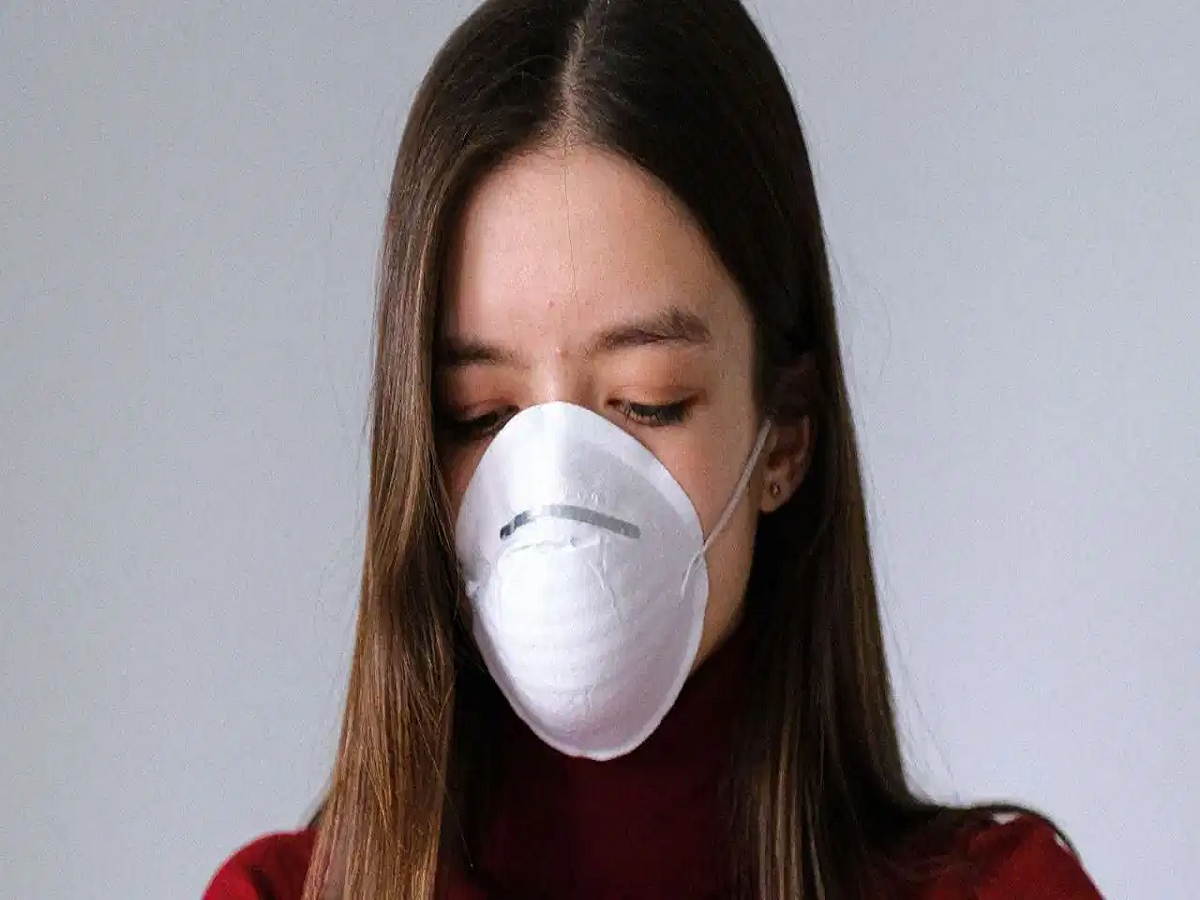
Rising air pollution has become a major health concern across several parts of India, particularly during the winter months. Poor Air Quality Index (AQI) levels can expose people to harmful pollutants that affect the respiratory system, cardiovascular health and overall well-being.
While many people wear masks outdoors to reduce their exposure to polluted air, an important question remains: Is staying indoors enough to protect us? The reality is that outdoor pollutants can enter homes through windows, doors and ventilation systems. Additionally, cooking fumes, cigarette smoke, incense sticks and mosquito coils can contribute to indoor air pollution.
So, should you wear an N95 mask inside your home when outdoor pollution levels are high? Let's understand what doctors recommend and who needs to take extra precautions.
What Does the Doctor Say About Wearing Masks Indoors?
According to Dr. Ankit Bhatia, Senior Consultant at Yashoda Institute of Respiratory Medicine and Interventional Pulmonology, wearing a mask continuously inside the home is not necessary for everyone.
The requirement largely depends on indoor air quality, outdoor pollution levels and an individual's existing health conditions.
In homes where polluted outdoor air enters easily and proper air filtration is unavailable, residents may need to take additional precautions. However, improving indoor air quality should remain the primary priority rather than relying entirely on masks.
An appropriately fitted N95 mask can help reduce exposure to harmful airborne particles when pollution levels are high, particularly when stepping outside.
Who Should Take Extra Precautions During High AQI Levels?
Certain groups may be more vulnerable to the harmful effects of air pollution.
1. People With Asthma: Exposure to particulate matter and other pollutants can trigger asthma symptoms, including coughing, wheezing and breathing difficulties.
2. Patients With COPD: People suffering from Chronic Obstructive Pulmonary Disease (COPD) may experience worsening respiratory symptoms when exposed to polluted air.
3. Elderly People: Age-related changes in lung function and existing medical conditions can make older adults more vulnerable to the effects of air pollution.
4. Children: Children's lungs are still developing, and they breathe more air relative to their body weight than adults. Therefore, reducing their exposure to polluted air is particularly important.
5. Pregnant Women: Exposure to high levels of air pollution has been associated with certain pregnancy complications. Pregnant women should take precautions to minimise prolonged exposure.
For these groups, monitoring indoor air quality and following appropriate medical advice becomes especially important.
How Can You Keep Indoor Air Clean During High AQI Levels?
Even if you do not wear a mask inside your home, there are several ways to reduce indoor pollution.
1. Use an Air Purifier With a HEPA Filter: A properly sized air purifier with a HEPA filter can capture fine airborne particles, including PM2.5. Choose a purifier with an appropriate Clean Air Delivery Rate (CADR) for your room size.
2. Keep Windows and Doors Closed During Severe Pollution: When outdoor AQI levels are particularly high, limit the entry of polluted air by keeping windows and doors closed. However, ensure adequate ventilation when outdoor conditions improve.
3. Avoid Burning Incense Sticks and Mosquito Coils: Incense sticks, dhoop and mosquito coils release smoke and fine particles that can worsen indoor air quality. Consider alternatives that do not produce smoke.
4. Control Cooking Pollution: Cooking, particularly frying and using gas stoves, can release pollutants into indoor air. Use an exhaust fan that vents outdoors and ensure proper kitchen ventilation.
5. Avoid Smoking Indoors: Cigarette smoke contains numerous harmful chemicals and particles. Maintaining a completely smoke-free indoor environment is important for protecting everyone at home.
6. Clean Your Home Regularly: Use a damp cloth or mop to remove accumulated dust instead of dry dusting, which can spread particles into the air.
When Should You Consult a Doctor?
Air pollution can aggravate existing respiratory conditions and cause new symptoms in some individuals.
Do not ignore symptoms such as:
-
Persistent coughing or wheezing.
-
Difficulty breathing.
-
Chest tightness or discomfort.
-
Repeated throat irritation.
-
Persistent eye irritation.
Seek medical advice if these symptoms continue or worsen. Severe breathing difficulty or chest pain requires immediate medical attention.
Final Takeaway
Staying indoors does not guarantee complete protection from air pollution. Harmful particles can enter homes through openings, while cooking smoke and other household activities can further affect indoor air quality.
However, wearing an N95 mask continuously inside the home is not necessary for everyone. The more effective approach is to reduce indoor pollution sources, use an appropriate HEPA air purifier and minimise outdoor exposure during periods of poor air quality.
People with respiratory conditions, children, older adults and pregnant women should be particularly careful. A few practical precautions can help create a cleaner indoor environment and reduce unnecessary exposure to harmful pollutants.