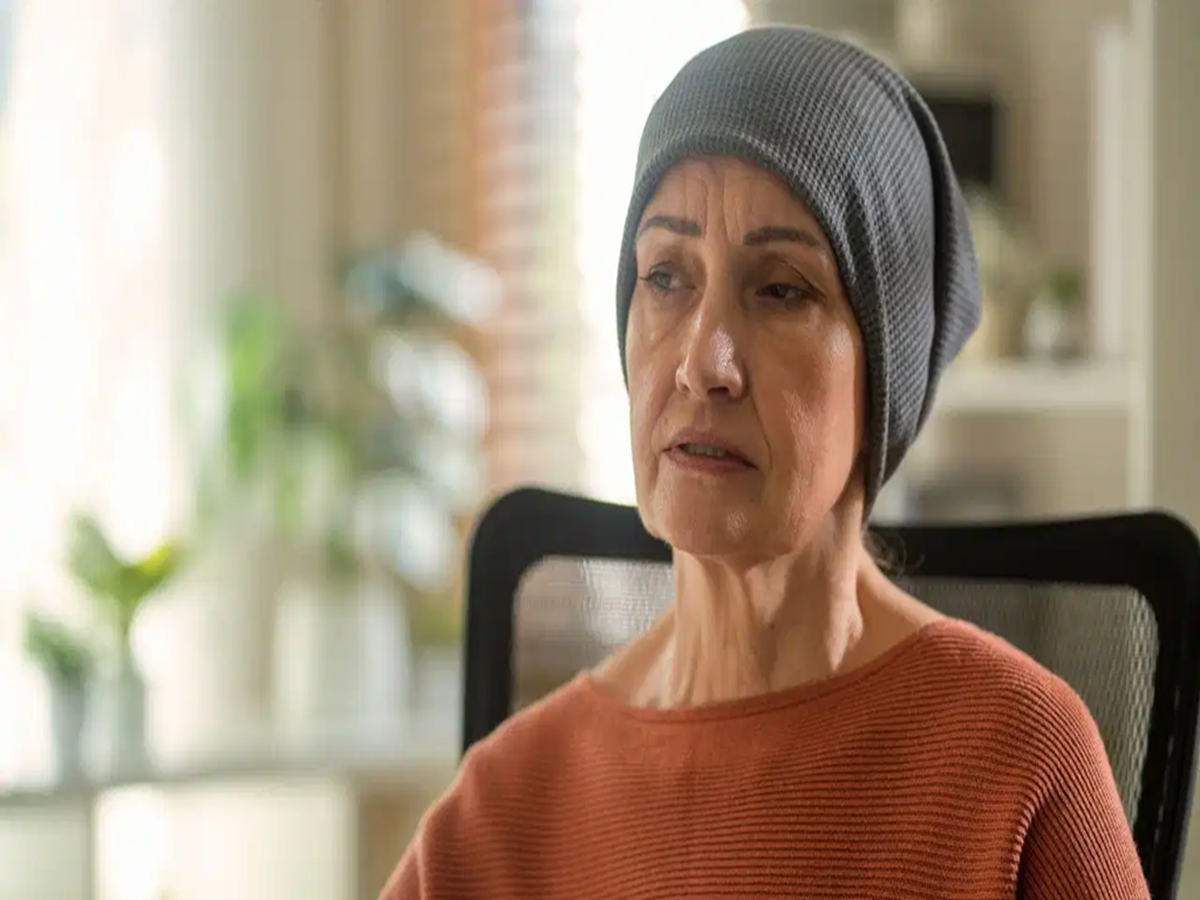
One of the most visible and emotionally challenging side effects of cancer treatment is hair loss. For many patients, losing their hair can be distressing and may affect their confidence during an already difficult journey. While hair loss is commonly associated with chemotherapy, many people are unaware of why it happens and whether it is permanent.
Understanding the reason behind chemotherapy-related hair loss can help patients prepare better and ease some of their concerns.
Why Does Hair Fall Out During Chemotherapy?
Chemotherapy works by destroying rapidly dividing cancer cells. However, it can also affect healthy cells in the body that grow quickly, including the cells found in hair follicles.
Since hair follicles are among the fastest-growing cells in the body, chemotherapy medicines may damage them while targeting cancer cells. As a result, hair begins to fall out during treatment.
Hair loss usually starts about two to three weeks after chemotherapy begins. Some patients lose only the hair on their scalp, while others may also experience thinning or loss of eyebrows, eyelashes, and body hair. The extent of hair loss depends on the type of chemotherapy drug used and how an individual's body responds to treatment.
Is Hair Loss Permanent?
In most cases, chemotherapy-related hair loss is temporary. Hair often starts growing back a few weeks to a few months after treatment is completed.
Initially, the new hair may appear softer, curlier, straighter, or slightly different in color or texture than before. Over time, many people find that their hair gradually returns to its normal appearance.
It's also important to remember that not all chemotherapy medicines cause hair loss, and not every patient experiences it to the same degree.
How to Care for Your Hair and Scalp During Treatment
Proper scalp care can help reduce discomfort during chemotherapy. Some helpful tips include:
-
Use a mild and gentle shampoo.
-
Avoid excessive heat styling and harsh hair treatments.
-
Keep the scalp clean and moisturized.
-
Eat a balanced diet to support overall health and recovery.
-
Ensure adequate nutrition throughout treatment.
-
Discuss any concerns about hair loss with your oncologist before starting chemotherapy.
Focus on Recovery First
Hair loss can be upsetting, but it is usually a temporary effect of treatment. The priority during cancer treatment is to eliminate cancer cells and improve long-term health. In most cases, hair grows back after chemotherapy is completed, making the temporary change worthwhile in the journey toward recovery.
If you have concerns about hair loss or other treatment-related side effects, speak with your healthcare team. They can explain what to expect and recommend ways to manage the changes during treatment.