LIFESTYLE
High Blood Pressure in the Morning Can Signal Serious Risk—Here’s Why and How to Control It
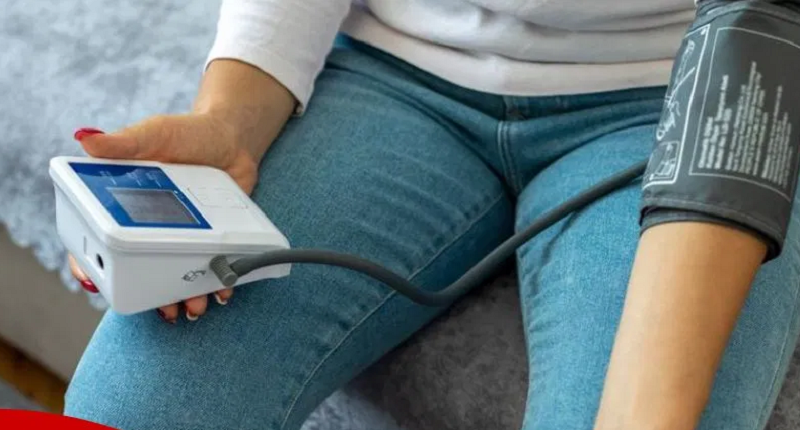
High blood pressure has become a widespread health issue today, affecting not only older adults but also younger people. Due to modern lifestyles, work stress, irregular sleep, and poor daily routines, many individuals experience elevated blood pressure in the morning, a condition often referred to as morning hypertension.
In many cases, a person may feel completely normal, but blood pressure readings taken soon after waking up are consistently high. If this pattern continues over time, it can quietly damage the body and increase the risk of serious diseases. Unfortunately, many people ignore morning hypertension or delay medical attention, which can be dangerous.
Why does blood pressure rise in the morning?
According to Ajit Jain from the Department of Cardiology at Rajiv Gandhi Hospital, the body undergoes major internal changes when transitioning from sleep to an active state in the morning.
During this time:
-
Stress hormones increase
-
Heart rate and blood vessel tone change
-
The nervous system becomes more active
In some people, these changes are excessive, leading to a sharp rise in blood pressure.
Factors that can worsen morning blood pressure include:
-
Lack of proper sleep or staying up late
-
Mental stress or anxiety
-
Irregular intake of blood pressure medicines
-
Rushing in the morning or skipping breakfast
Persistently high morning BP can be a sign that the body’s natural regulation system is under strain.
What diseases are linked to high morning BP?
If morning blood pressure remains high for a long time, it significantly increases the risk of:
-
Heart attack
-
Stroke
-
Brain hemorrhage
-
Kidney damage
-
Vision problems
High blood pressure puts continuous pressure on blood vessels, disrupting normal blood flow and damaging vital organs. Doctors warn that morning hypertension is not just a number, but an early warning sign that should not be ignored.
How to protect yourself
You can reduce the risks associated with morning hypertension by making simple but consistent changes:
-
Measure your blood pressure at the same time every morning
-
Reduce salt and processed food intake
-
Include regular walking, yoga, or light exercise
-
Ensure adequate and quality sleep
-
Manage stress through relaxation techniques
-
Take prescribed medicines exactly as advised by your doctor