LIFESTYLE
Keep Your Greens Crisp: FSSAI Guidelines to Stop Vegetables From Spoiling in the Summer Heat
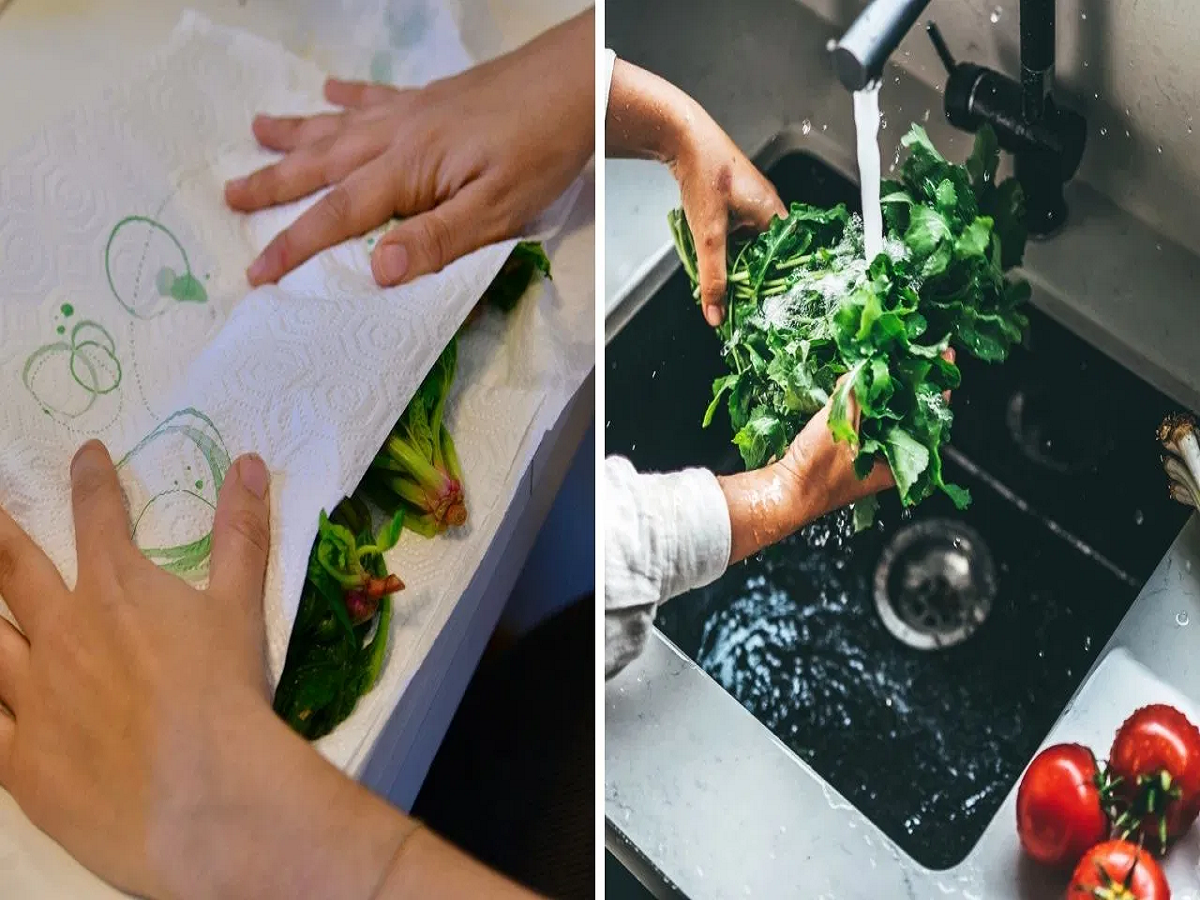
The scorching summer heat and soaring humidity do more than just exhaust you—they also create a perfect breeding ground for bacteria and fungi, causing your fresh produce to rot at lightning speed. Green leafy vegetables are usually the first casualties of a summer heatwave, losing their crunch, turning slimy, and shedding their nutritional value within days.
To tackle this seasonal headache, the Food Safety and Standards Authority of India (FSSAI) has issued an essential advisory. By following these scientifically backed, simple storage rules, you can dramatically extend the shelf-life of your groceries, prevent food waste, and keep your meals packed with nutrients.
The FSSAI 3-Step Routine for Refrigerator Storage
Step 1: Pre-Wash and Complete Dehydration
Never toss raw vegetables straight from the market into the fridge. Start by thoroughly washing all your vegetables under clean water to remove surface dirt, pesticides, and hidden bacteria that accelerate decay.
Crucial Tip: Moisture is the ultimate enemy in summer. After washing, spread the vegetables out completely on a clean cloth or towel. Let them air-dry entirely until there is no surface water left before moving to the next step.
Step 2: The Paper Towel Wrap (Say No to Newspapers!)
Once your green vegetables are bone-dry, wrap them gently in clean, unprinted paper towels before storing. The paper acts as a buffer, absorbing any excess condensation inside the fridge while maintaining the perfect level of humidity.
-
Safety Warning: Never use old newspapers, printed flyers, or colorful packing papers. The chemical inks and dyes can easily leach into your fresh food, posing a serious health hazard.
Step 3: Ditch the Plastic Bags
Stuffing vegetables into airtight plastic grocery bags suffocates them. Without proper air circulation, moisture gets trapped inside, turning your crisper drawer into a swamp that rots your food. Instead, switch to breathable mesh vegetable bags, net pouches, or perforated storage containers that allow the air to flow freely.
FSSAI Golden Rules: Which Vegetables Do Not Belong in the Fridge?
Not every vegetable thrives in the cold. In fact, refrigerating certain staples will ruin them faster:
-
Tomatoes: Keep them out of the fridge. Cold temperatures destroy their texture and mute their flavor. Store them in a cool, dry, well-ventilated spot on your counter instead.
-
Potatoes and Onions: Never refrigerate these. The cold environment converts potato starches into sugars and makes onions soft and moldy. Store them separately in a dark, cool place—putting them together actually causes them to sprout and spoil faster.
Bonus Pro-Tips for Ultimate Freshness
-
The "One Bad Apple" Rule: Sort through your vegetables before storing them and regularly check on them. A single decaying or bruised vegetable releases gasses that will rapidly rot everything surrounding it. Keep them sorted and spaced out.
-
Buy Less, Eat Fresher: While it's tempting to stock up to avoid going out in the heat, try to buy vegetables in smaller quantities. Consuming freshly harvested produce within a few days of purchase ensures you get maximum flavor and nutrition.
The Bottom Line: As the FSSAI reminds us: Eat fresh. Eat safe. Eat right. A few mindful adjustments to your kitchen routine this summer will save your wallet, protect your health, and keep your meals beautifully fresh.