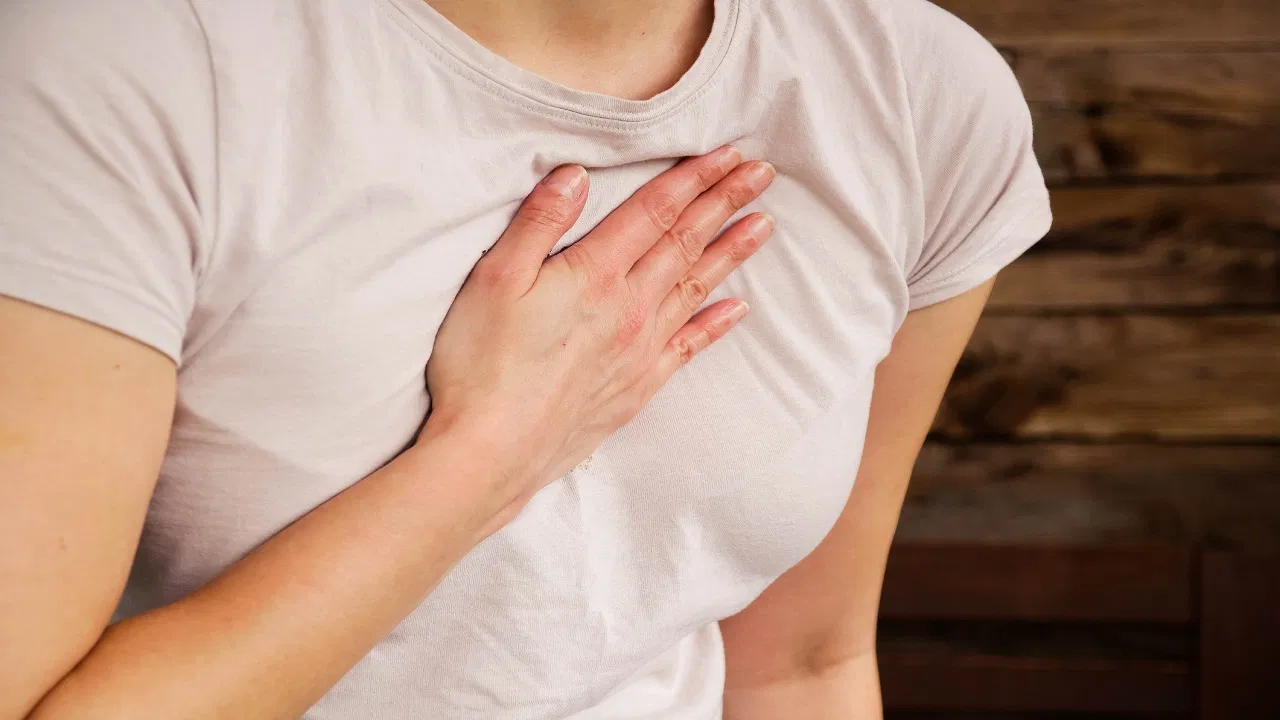
A heart attack is a serious medical emergency that requires immediate attention. Early detection and treatment can save lives, but even a slight delay can be dangerous. While most people associate heart attacks with severe chest pain, pain on the left side, or difficulty breathing, it is important to know that symptoms in women often differ from those in men. In fact, heart attack symptoms in women are usually milder, vague, and sometimes easily mistaken for less serious issues like fatigue or indigestion. Understanding these differences can be lifesaving.
Symptoms of Heart Attack in Women
-
Extreme Fatigue:
One of the most common signs in women is overwhelming tiredness that occurs without much physical exertion. This fatigue may last days or weeks and does not improve with rest. -
Pain in Back, Neck, Jaw, or Shoulder:
Women may experience gradual pain or pressure in the upper back, neck, jaw, or shoulders rather than sharp chest pain. -
Stomach Discomfort:
Burning sensations, heaviness, or pain in the stomach area are common. Women often confuse this with acidity or gas problems, which can delay seeking medical help. -
Breathing Difficulty:
Shortness of breath or difficulty breathing may occur even without physical activity. -
Vomiting and Dizziness:
Nausea, vomiting, dizziness, or vertigo can also be signs of a heart attack in women. -
Sleeplessness and Restlessness:
Women may experience insomnia, nervousness, or restlessness days or weeks before a heart attack.
Common Symptoms in Men
-
Severe chest pain or pressure.
-
Difficulty breathing.
-
Sudden sweating.
-
Dizziness or fainting.
Why Are Symptoms Different in Women?
The differences arise due to variations in artery blockages, hormonal changes, and body structure. Women often have blockages in smaller arteries that cause less severe chest pain compared to men.
Why Are Women at Greater Risk?
After menopause, women’s risk of heart attack equals or even surpasses that of men. Factors like high blood pressure, diabetes, obesity, stress, and lifestyle choices increase this risk. Since women’s symptoms are often subtle and vague, they may delay treatment, leading to serious consequences.
How Can Women Protect Themselves?
-
Pay close attention to your body’s warning signs and never ignore unusual symptoms.
-
Regularly get health check-ups including ECG, blood pressure, cholesterol, and blood sugar tests.
-
Maintain a balanced diet, exercise regularly, manage stress, and avoid smoking.
-
Consult a doctor immediately if you notice any abnormal or persistent symptoms.