LIFESTYLE
How to Clean Grapes Properly: Are you eating grapes after washing them? Learn the right way to clean them
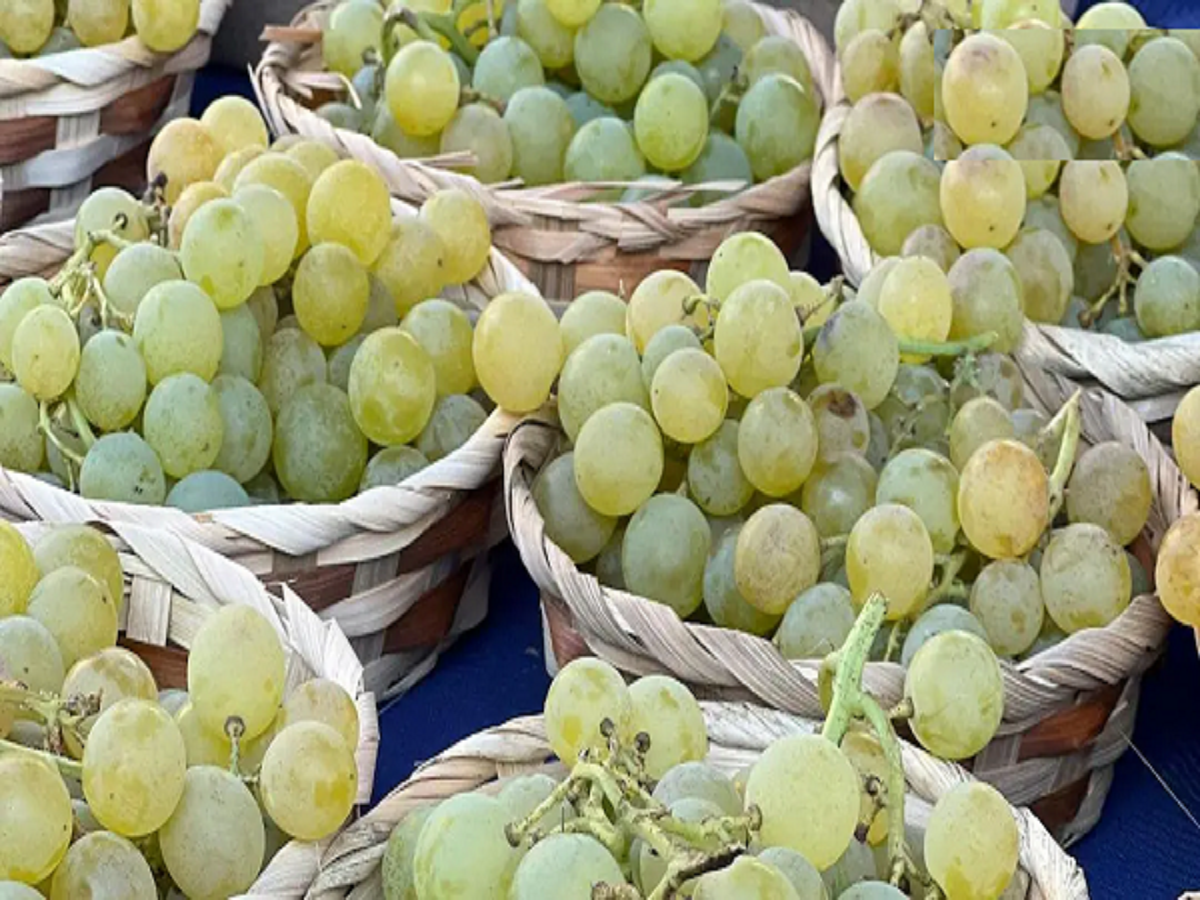
Washing Fruits Before Eating: Grapes are one of the most widely consumed fruits. Let us tell you what you should keep in mind when cleaning grapes.
How to Remove Pesticides from Grapes at Home: A bowl full of fresh grapes may seem perfectly safe—shiny, juicy, and straight from the market, but the truth is a little unsettling. Their shiny surface can often be coated with pesticide residue, waxy coatings, and fine dust. Grapes grow in bunches and have thin, delicate skin, so chemicals and dirt easily adhere to them. Simply rinsing them with tap water isn't always enough. Let us show you the correct way to wash them.
Why do grapes need to be washed thoroughly?
The Environmental Working Group, an organization that provides information on agriculture and environmental issues, ranked it fourth in the list of the darnedest dozen in the year 2025. In fact, grapes are among the fruits that are sprayed with the most pesticides during cultivation. Many medicines are often used on the crop to protect it from insects, mold and fungus. The bunches of grapes are close together, there are small gaps and cracks between them and their skin is also porous. This is the reason why chemicals easily stick to them and cannot be completely cleaned with ordinary water. It is especially important to clean them properly before giving them to children.
What are the ways to clean grapes?
According to the health information website Econugenics, cleaning grapes should always begin with running cold water. Place the grapes in a large bowl or sieve and rinse them under running water for 20 to 30 seconds, then gently scrub them with your hands to remove any remaining dust, dirt, and some surface chemicals. While this alone doesn't remove all pesticides, it significantly reduces the level of dirt and lays the groundwork for further cleaning.
Use of baking soda
Next, using baking soda is considered a very effective method. Research shows that baking soda, or sodium bicarbonate, helps break down many common pesticides. Mix one teaspoon of baking soda with one liter of water and soak the grapes for 10 to 15 minutes. Its alkaline nature loosens the chemicals. After soaking, gently rub the grapes and rinse them thoroughly with clean water.
Vinegar is also an option
White vinegar is also a good natural alternative. It not only helps reduce pesticides but also bacteria, mold, and germs. Mix one part vinegar with three parts water and soak the grapes for 5 to 10 minutes, then rinse with clean water. A thorough rinse will remove the vinegar smell. This method is especially useful if the grapes have been through many hands or have been stored for a long time.
After washing, it's important to gently rub the grapes dry. Pat them dry with a clean cloth or kitchen towel, or let them air dry. Dried grapes stay fresh longer in the refrigerator and are less likely to grow mold.
Disclaimer: This information is based on research studies and expert opinion. Do not substitute for medical advice. Always consult your doctor or relevant specialist before undertaking any new activity or exercise.
PC:ABPNews