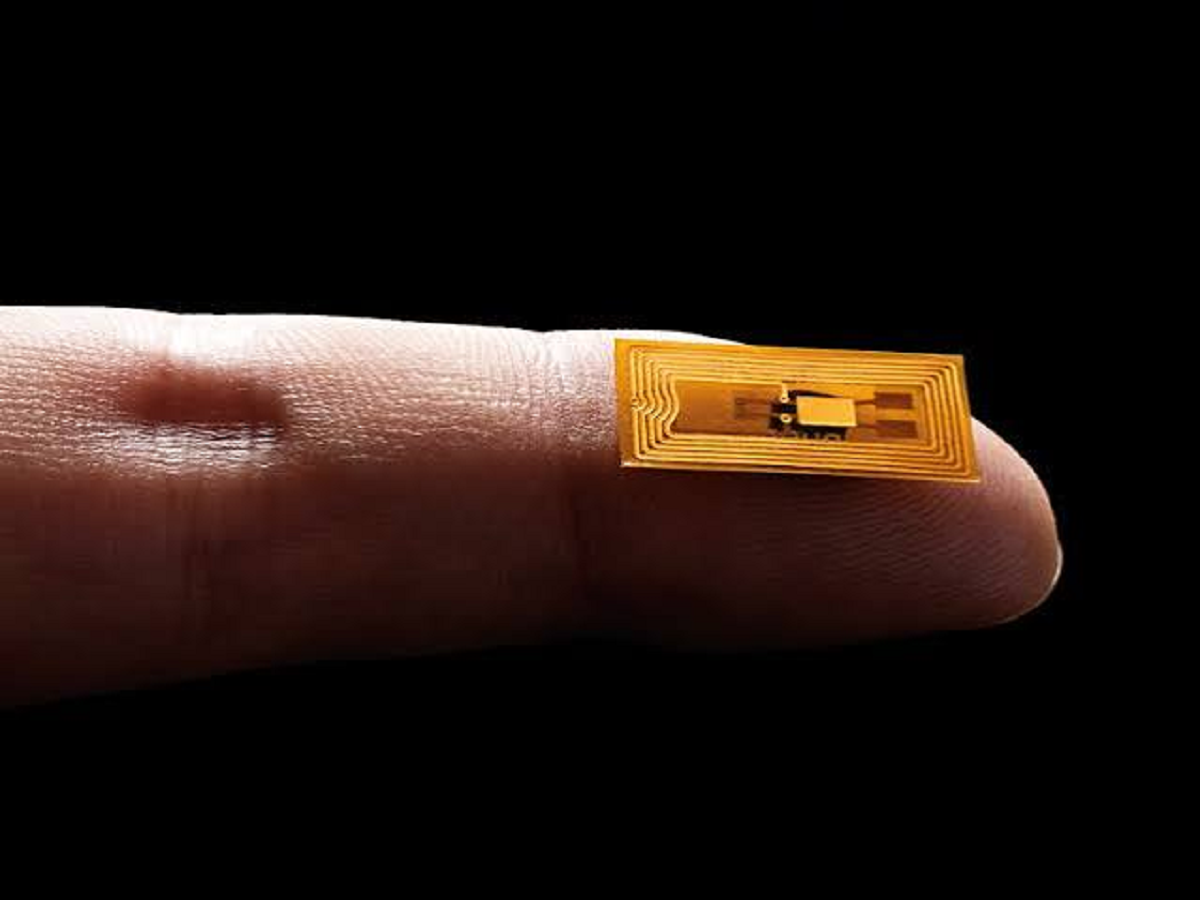
The future of technology depends on something most people rarely see: the tiny electronic circuits inside computer chips. From smartphones and laptops to artificial intelligence systems and data centres, modern digital devices rely on increasingly powerful semiconductors.
Now, a new generation of chipmaking technology called Hyper NA is attracting attention. It aims to help manufacturers create even smaller circuit features, potentially paving the way for more advanced processors in the coming decade.
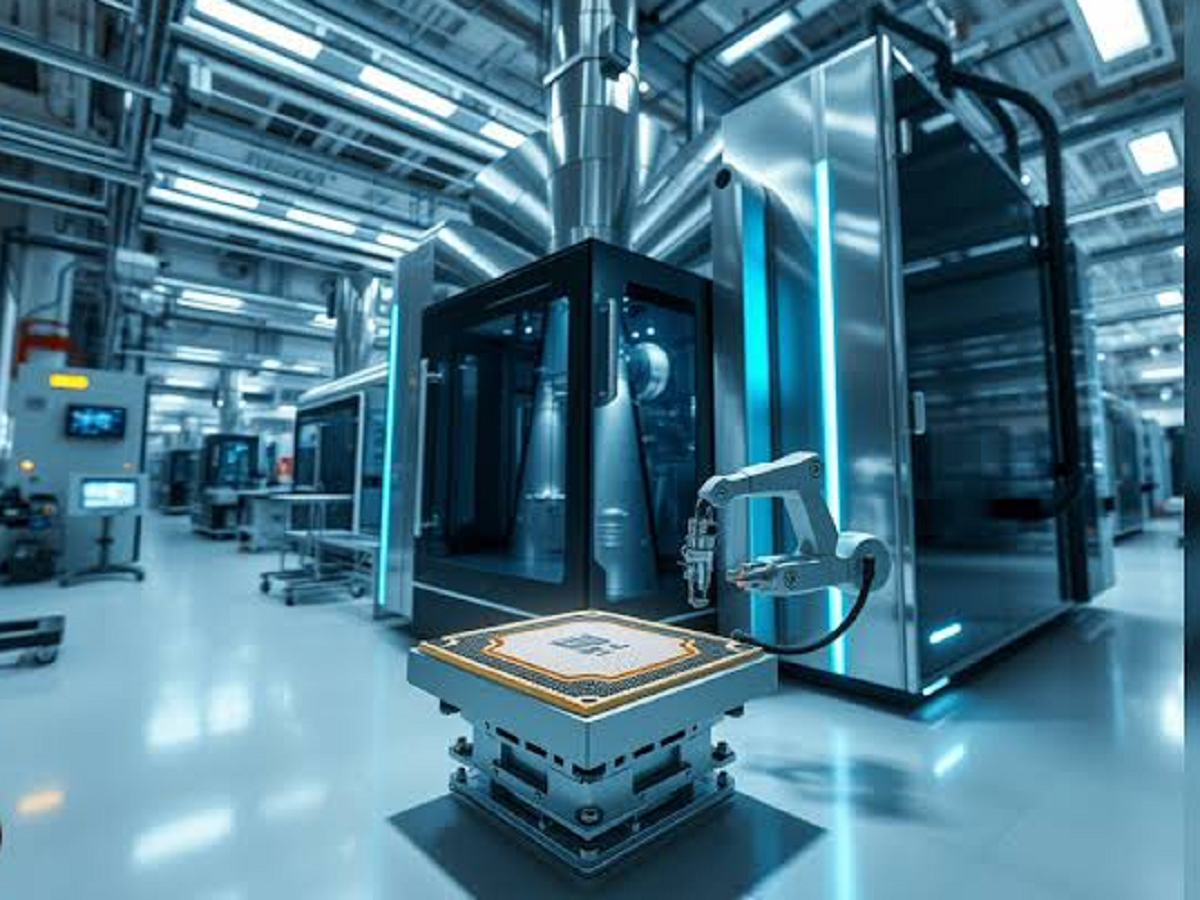
The technology is being explored by ASML, a major supplier of semiconductor manufacturing equipment, and its optical technology partner Carl Zeiss. Their research points towards a possible next step in extreme ultraviolet (EUV) lithography, the technology used to print intricate circuit patterns onto silicon wafers.
What Is Hyper NA Technology?
Hyper NA is a proposed advancement in semiconductor lithography. Lithography is a manufacturing process in which light is used to transfer extremely small patterns onto a silicon wafer, which is later processed to create electronic circuits.
Today's advanced chip manufacturing already uses sophisticated techniques to produce billions of transistors on a small chip. As manufacturers seek greater performance and energy efficiency, they need ways to create increasingly precise structures.
Hyper NA is intended to build on existing EUV technology and improve the ability to print smaller features. A technical paper published in October 2026 suggests that the technology could eventually support features as small as five nanometres, although this is a development target rather than a guarantee of future commercial production. <Cite refs={["turn347627news10"]}/>
Why Do Smaller Chip Features Matter?
Smaller circuit features can help chip designers increase transistor density, improve performance and manage power consumption. However, shrinking a chip's features does not automatically make every processor faster or more efficient. The final result also depends on chip architecture, manufacturing methods, cooling and software optimisation.
If Hyper NA becomes commercially viable, it could give semiconductor manufacturers another tool for developing future generations of processors.
This is particularly important as demand for computing power grows. AI models, cloud services, scientific simulations and high-performance computing all depend on advanced chips that can handle enormous workloads.
How Could Hyper NA Improve Artificial Intelligence?
Artificial intelligence requires powerful processors to train models, generate responses and analyse large amounts of data. As AI systems become more capable, technology companies are investing heavily in data centres and specialised computing hardware.
More advanced chipmaking could support this progress in several ways.
1. More Powerful Processors
Improved lithography could help manufacturers produce denser and more sophisticated chips. Depending on the design, these chips may offer greater computing performance within a similar physical area.
2. Better Energy Efficiency
Data centres consume substantial amounts of electricity. Improvements in semiconductor design and manufacturing could help reduce the energy required for certain computing tasks, although overall energy use will also depend on the number of chips deployed and the workloads they run.
3. Advanced Smartphones and Laptops
Future consumer devices could benefit from improvements in processor performance and power efficiency. This may support more capable on-device AI features, faster image processing and other demanding applications.
These outcomes are potential benefits, not immediate guarantees. Hyper NA remains a technology under development, and its eventual impact will depend on engineering progress and manufacturing costs.
Why Is Developing Hyper NA So Difficult?
Manufacturing chips at extremely small scales requires extraordinary precision. The equipment must control light, optics, alignment and other physical processes with remarkable accuracy.
Hyper NA faces several challenges, including the need for highly precise optical components, reliable production processes and acceptable manufacturing costs. Even if engineers can demonstrate the technology in a research setting, turning it into a commercially practical machine is a separate challenge.
Chipmakers must also determine whether the performance benefits justify the expense of adopting a new manufacturing platform.
ASML has begun development work, but the company has not committed to full production of Hyper NA equipment. The current research suggests that a potential operational system could still be around a decade away. <Cite refs={["turn347627news10"]}/>
Will Hyper NA Replace Existing Chipmaking Technology?
Not in the near future. Semiconductor manufacturers continue to improve existing EUV systems and explore other methods of increasing chip performance, including advanced packaging and three-dimensional chip architectures.
Hyper NA is intended to build on current lithography capabilities rather than immediately replace the technology already used in manufacturing.
The semiconductor industry generally advances through several overlapping generations of equipment and design techniques. New approaches are tested, refined and introduced when they offer practical advantages.
What Does This Mean for the Technology Industry?
The development of Hyper NA highlights how much innovation happens behind the scenes of familiar devices. The next major improvement in AI or smartphone performance may depend not only on better software, but also on advances in the machinery used to manufacture processors.
It could also have implications for competition among semiconductor manufacturers and the countries seeking to strengthen their domestic chip industries. Access to advanced manufacturing equipment is an important factor in the global technology supply chain.
However, the benefits will not arrive overnight. Research milestones must be followed by engineering development, commercial investment and successful integration into manufacturing facilities.
The Road Ahead
Hyper NA represents a possible next chapter in the race to manufacture more advanced semiconductor chips. If the technology succeeds, it could help support future developments in artificial intelligence, cloud computing, scientific research and consumer electronics.
For now, it remains a long-term engineering project rather than a technology ready for widespread use. Its progress will depend on whether researchers can turn promising optical and lithography advances into reliable, affordable manufacturing equipment.
The broader lesson is clear: while software and AI applications often receive the most public attention, the future of computing also depends on continuous advances in the physical technology that makes those applications possible.