LIFESTYLE
India Develops Indigenous Vaccines to Protect Livestock from Deadly Diseases, Boosting Self-Reliance in Animal Healthcare
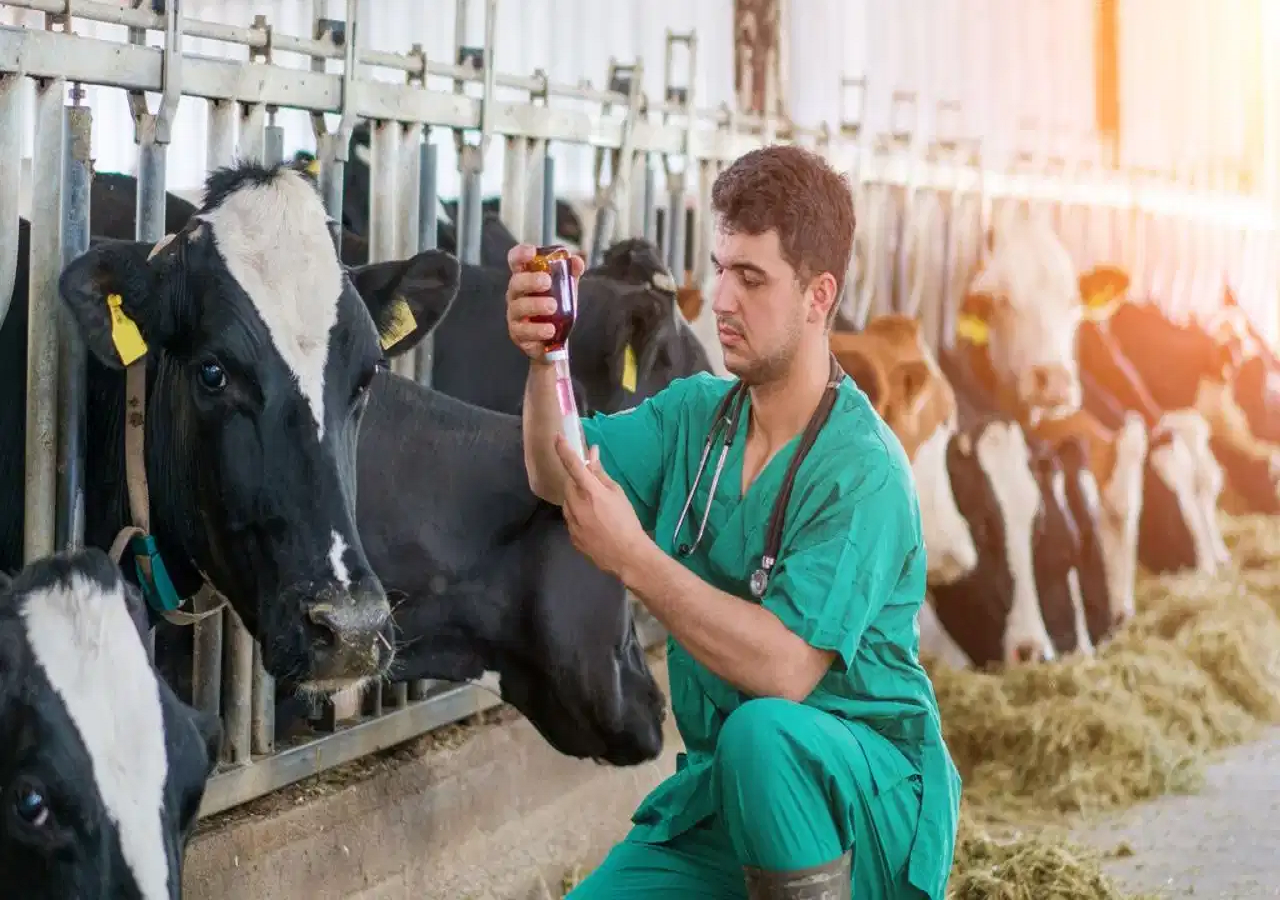
India is making significant strides in veterinary science, with indigenous vaccine development emerging as a major achievement in the country's animal healthcare sector. Indian scientists have developed several vaccines to protect livestock and poultry from dangerous diseases that can cause widespread illness, animal deaths and substantial financial losses for farmers.
These homegrown vaccines are expected to strengthen India's veterinary healthcare infrastructure, reduce dependence on imported vaccines and make disease prevention more affordable. The initiatives also reflect the country's growing capabilities in biotechnology and indigenous medical research.
Several Indigenous Vaccines Developed Between 2019 and 2020
Indian researchers have developed vaccines against multiple animal diseases using advanced biotechnology.
In 2019, scientists developed a subviral particle-based vaccine to protect poultry from Gumboro disease, a highly infectious condition affecting chickens.
In 2020, another important breakthrough came with the development of the Brucella abortus S19 delta-per (DIVA) vaccine to combat brucellosis. During the same period, an indigenous cell culture vaccine was also developed to protect pigs against classical swine fever.
These developments marked important steps towards improving animal disease prevention through domestic research and manufacturing.
Indigenous Vaccine Against Lumpy Skin Disease
One of the major achievements in India's veterinary research sector came in 2022 with the development of an indigenous vaccine against Lumpy Skin Disease (LSD).
The vaccine, named Lumpy-ProVacInd, was jointly developed by scientists from the National Research Centre on Equines, Hisar, and the Indian Veterinary Research Institute (IVRI).
Lumpy Skin Disease had caused widespread infections among cattle across several Indian states, resulting in considerable economic losses for livestock owners. The indigenous vaccine development created opportunities for domestic production and wider vaccination coverage, helping strengthen the country's response to the disease.
India Develops Indigenous Vaccine Against African Swine Fever
India has achieved another significant milestone with the development of an indigenous vaccine against African Swine Fever (ASF), a highly contagious viral disease affecting pigs.
The National Institute of High-Security Animal Diseases (NIHSAD), Bhopal, developed the vaccine, which was dedicated to the nation in August 2026.
One of the key advantages of this vaccine is its manufacturing approach. Based on the MA-104 cell line, it does not require expensive foreign patented cell lines, potentially making large-scale production more economical.
This development could prove particularly beneficial for pig farmers, who have suffered significant financial losses due to African Swine Fever outbreaks.
How Indigenous Vaccines Can Benefit Indian Farmers
The development of domestic veterinary vaccines offers several long-term advantages for India's livestock sector.
-
Reduced import dependence: Domestic vaccine production can reduce reliance on foreign manufacturers.
-
Lower production costs: Indigenous manufacturing technologies may help make vaccines more affordable.
-
Better disease prevention: Wider access to vaccines can strengthen protection against dangerous animal diseases.
-
Financial security for farmers: Preventing livestock infections can reduce treatment expenses and economic losses.
-
Stronger veterinary research: These developments encourage further investment in India's biotechnology and animal healthcare industries.
India's progress in indigenous vaccine development represents an important step towards self-reliance in animal healthcare. With continued scientific research, improved manufacturing capacity and wider vaccination programmes, these innovations could play a crucial role in protecting livestock, supporting farmers and strengthening the rural economy.