BUSINESS
India Takes Action Against Cheap Aluminium Imports from China and Three Other Countries: Relief for Domestic Manufacturers?
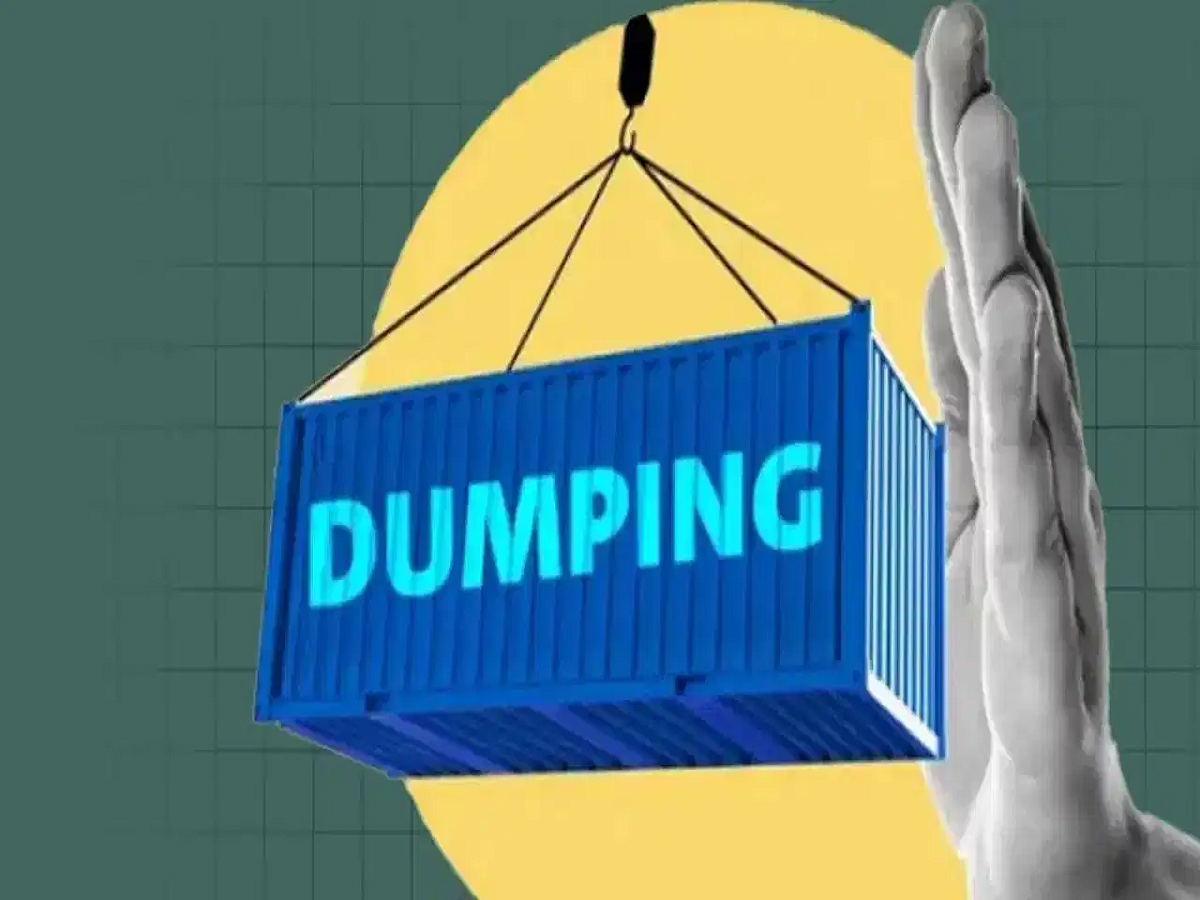
India has stepped up efforts to protect its domestic aluminium industry from allegedly unfair competition posed by low-priced imports. The Directorate General of Trade Remedies (DGTR), under the Commerce Ministry, has launched a suo motu anti-dumping investigation into aluminium products imported from China, Malaysia, Vietnam and Thailand.
The move is expected to bring attention to the challenges faced by Indian aluminium manufacturers, particularly micro, small and medium-sized enterprises (MSMEs).
Why has India launched the investigation?
According to the DGTR notification, the investigation follows representations received from the Aluminium Extrusion Manufacturers Association of India (ALEMAI), which represents 228 manufacturers of aluminium extrusion profiles, structures and related products.
The association has raised concerns over a significant increase in allegedly dumped imports, claiming that these are causing injury to domestic manufacturers.
Unlike many anti-dumping investigations, which are generally initiated after applications from domestic producers, the DGTR has taken up this matter on its own initiative. This approach is particularly relevant for smaller businesses that may not have the resources or technical expertise to pursue trade remedy proceedings independently.
Which aluminium products are under investigation?
The products being examined have applications across several industries, including manufacturing, transportation, power and engineering.
They include:
-
Aluminium profiles used in windows, doors and curtain walls
-
Partitions, railings and lighting structures
-
Industrial framing and mounting structures for solar power plants
-
Staircases, furniture, kitchen and wardrobe profiles
-
Aluminium components used in bicycles
These products are widely used in construction, infrastructure, renewable energy and industrial applications, making the investigation significant for several sectors.
DGTR may recommend anti-dumping duties
The DGTR will examine whether aluminium products from the four countries are being sold in India at unfairly low prices and whether such imports have caused injury to domestic manufacturers.
The investigation will assess the existence, extent and impact of the alleged dumping. If the findings establish that dumped imports have harmed the domestic industry, the authority may recommend anti-dumping duties.
The objective is to provide Indian manufacturers with a fair competitive environment rather than allowing imports to gain an advantage through unfair pricing practices.
However, the DGTR does not impose the final duty itself. It makes recommendations, while the Ministry of Finance takes the final decision on whether anti-dumping duties should be levied.
How do anti-dumping duties protect Indian businesses?
Anti-dumping duties are trade measures used by countries to address imports being sold at prices considered unfairly low compared with their normal value.
These duties are permitted under the World Trade Organization's (WTO) framework, subject to prescribed conditions and investigation procedures.
India has previously imposed anti-dumping duties on various products imported from several countries, including China, to protect domestic industries from unfair trade practices.
What could this mean for India's aluminium industry?
The investigation could prove important for domestic aluminium extrusion manufacturers, particularly smaller businesses that face pressure from competing imports.
If anti-dumping duties are eventually recommended and imposed, they may help create a more level playing field for Indian producers. However, the outcome will depend on the evidence collected during the investigation and the final decision of the government.
For now, the DGTR's move marks an important step towards examining the concerns raised by India's aluminium manufacturing sector.