LIFESTYLE
India’s Hidden Volcanic Wonder: Discover Barren Island, Home to South Asia’s Only Active Volcano
The Andaman and Nicobar Islands are famous for their turquoise waters, pristine beaches, lush greenery and breathtaking marine life. Situated in the Bay of Bengal, this tropical paradise attracts travellers looking for adventure, relaxation and unforgettable natural landscapes.
However, beyond its beautiful beaches lies a fascinating geological wonder that many people may not know about. The region is home to Barren Island, which hosts South Asia’s only confirmed active volcano. Surrounded by the deep blue waters of the Andaman Sea, this remote island offers a remarkable glimpse into the powerful forces that continue to shape our planet.
Where Is Barren Island Located?
Barren Island lies in the Andaman Sea, approximately 135–140 kilometres northeast of Sri Vijayapuram, formerly known as Port Blair.
Unlike the popular tourist islands of the Andaman archipelago, Barren Island is remote and largely uninhabited. Its isolation and volcanic landscape make it one of India's most unusual natural attractions.
The island is part of a volcanic zone associated with the tectonic processes occurring where the Indian Plate interacts with the Burma microplate. These geological forces have contributed to the formation of volcanic features across the region.
What Makes This Volcanic Island Unique?
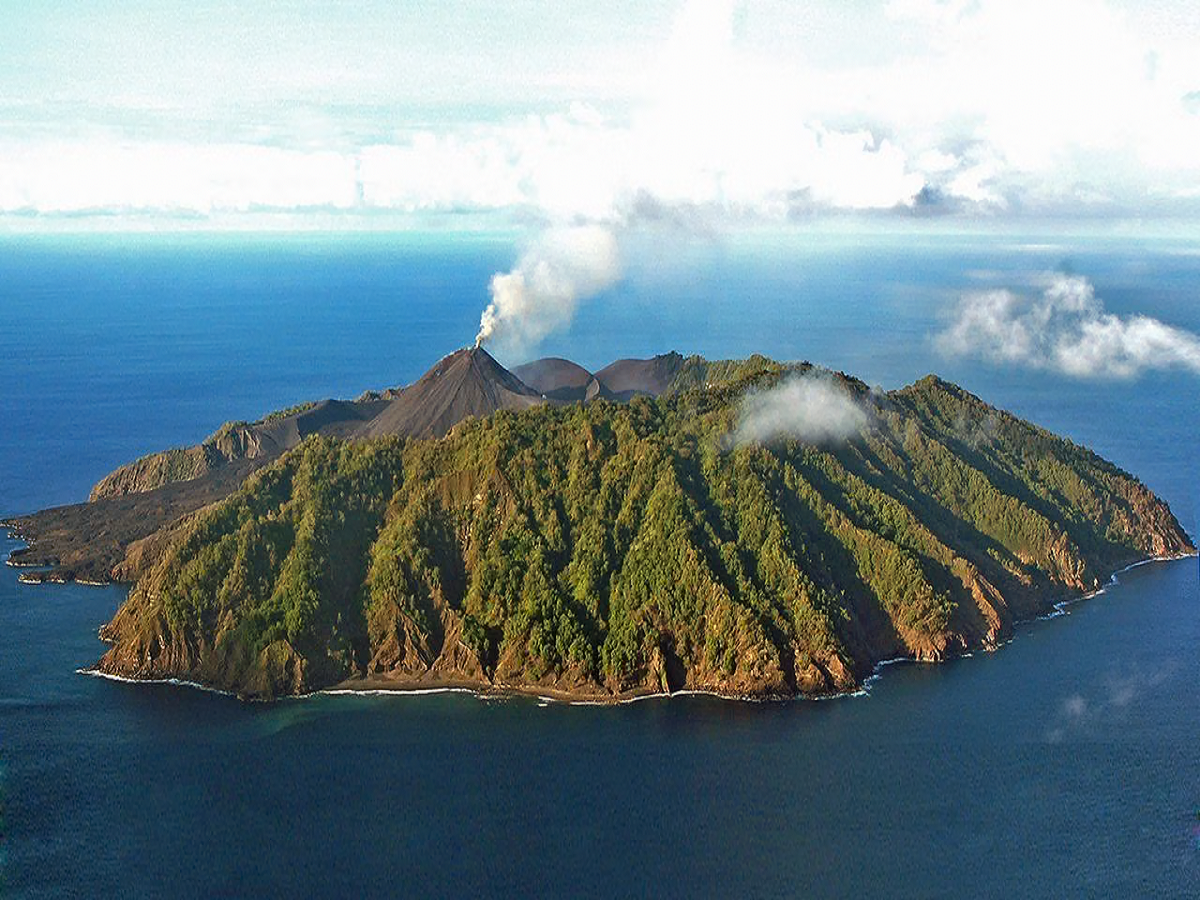
Barren Island covers approximately three square kilometres and has a dramatic landscape dominated by dark volcanic rock, ash deposits and steep slopes surrounding its volcanic cone.
Unlike the green, forest-covered islands commonly associated with the Andamans, much of Barren Island appears barren and rugged. Its name reflects this distinctive landscape, although some vegetation does grow in suitable areas.
The contrast between the dark volcanic terrain and the surrounding blue sea creates a striking natural spectacle. The island is also an important site for scientists studying volcanic activity, geological change and the formation of island ecosystems.
A Volcano With a Long History of Activity
Barren Island has experienced volcanic eruptions over several centuries, making it an important geological feature in South Asia.
Its volcanic history extends far beyond recorded human observations, with evidence of activity spanning a very long geological period. Modern observations have documented multiple eruptive episodes, including activity in the late 20th century and the early 21st century.
The volcano has undergone periods of eruption and relative dormancy. These changes demonstrate that volcanic systems can remain quiet for extended periods before becoming active again.
Because its activity can change, visitors should rely on current official guidance rather than assuming the island is safe to approach at any particular time.
What Lies Beneath the Surrounding Waters?
Barren Island is not only remarkable above the water. Its surrounding marine environment also attracts interest because of its underwater landscapes and marine biodiversity.
The waters around the island support coral communities, reef fish and other marine organisms. In suitable locations, divers may encounter a variety of underwater habitats shaped by the island's volcanic geology.
However, diving conditions can be challenging because of the island's remoteness, weather, currents and local sea conditions. It is therefore better suited to experienced divers travelling with qualified operators than to casual swimmers or inexperienced adventurers.
The island's volcanic environment and marine ecosystems make it valuable for both scientific research and nature enthusiasts.
Can Tourists Visit Barren Island?
Visiting Barren Island requires considerably more planning than travelling to popular destinations such as Havelock Island, now known as Swaraj Dweep.
Access is restricted by the island's remote location, volcanic hazards and applicable local regulations. Boat trips may allow visitors to observe the volcano from offshore, subject to the permissions and safety conditions in force at the time.
Travellers should confirm current access rules, permitted viewing distances and tour availability with authorised local operators before making arrangements. Landing on the island should never be assumed to be permitted.
Weather conditions and sea currents can also affect travel plans, so a visit may not always be possible.
Why Is Barren Island Important for Science?
Active volcanoes provide scientists with valuable opportunities to study the Earth's internal processes. By observing eruptions, measuring volcanic gases and examining rock formations, researchers can learn more about magma movement and the evolution of volcanic landscapes.
Barren Island also helps scientists understand how life develops in environments affected by volcanic activity. Over time, weathering and ecological processes can gradually transform barren volcanic surfaces into habitats capable of supporting plants and animals.
These observations contribute to a broader understanding of geological hazards, island formation and the relationship between land and marine ecosystems.
The Final Takeaway
Barren Island is a reminder that the Andaman and Nicobar Islands offer far more than beaches and tropical scenery. Its active volcano, rugged terrain and surrounding marine habitats make it one of India's most fascinating natural landmarks.
For travellers, it represents a rare opportunity to appreciate the dramatic power of nature. For scientists, it offers an important window into the geological processes shaping the region.
Although its beauty is captivating, the volcano must always be treated with caution. Responsible tourism, respect for local restrictions and attention to official safety guidance are essential when exploring this extraordinary part of India's natural heritage.