Sugar is a common part of our daily diet, whether it is added to tea, coffee, desserts or other foods. However, excessive consumption of added sugar over time can contribute to weight gain, fatty liver disease and an increased risk of metabolic problems. This has encouraged many people to look for alternatives that provide sweetness without adding too many calories.
One option gaining popularity is monk fruit sweetener. Marketed as a natural, zero-calorie alternative that may be suitable for people monitoring their blood sugar, it sounds like an attractive replacement for regular sugar. But is it genuinely healthier, or is it simply another expensive wellness trend? Let's understand what nutrition experts highlight about this sweetener.
What Is Monk Fruit Sweetener?
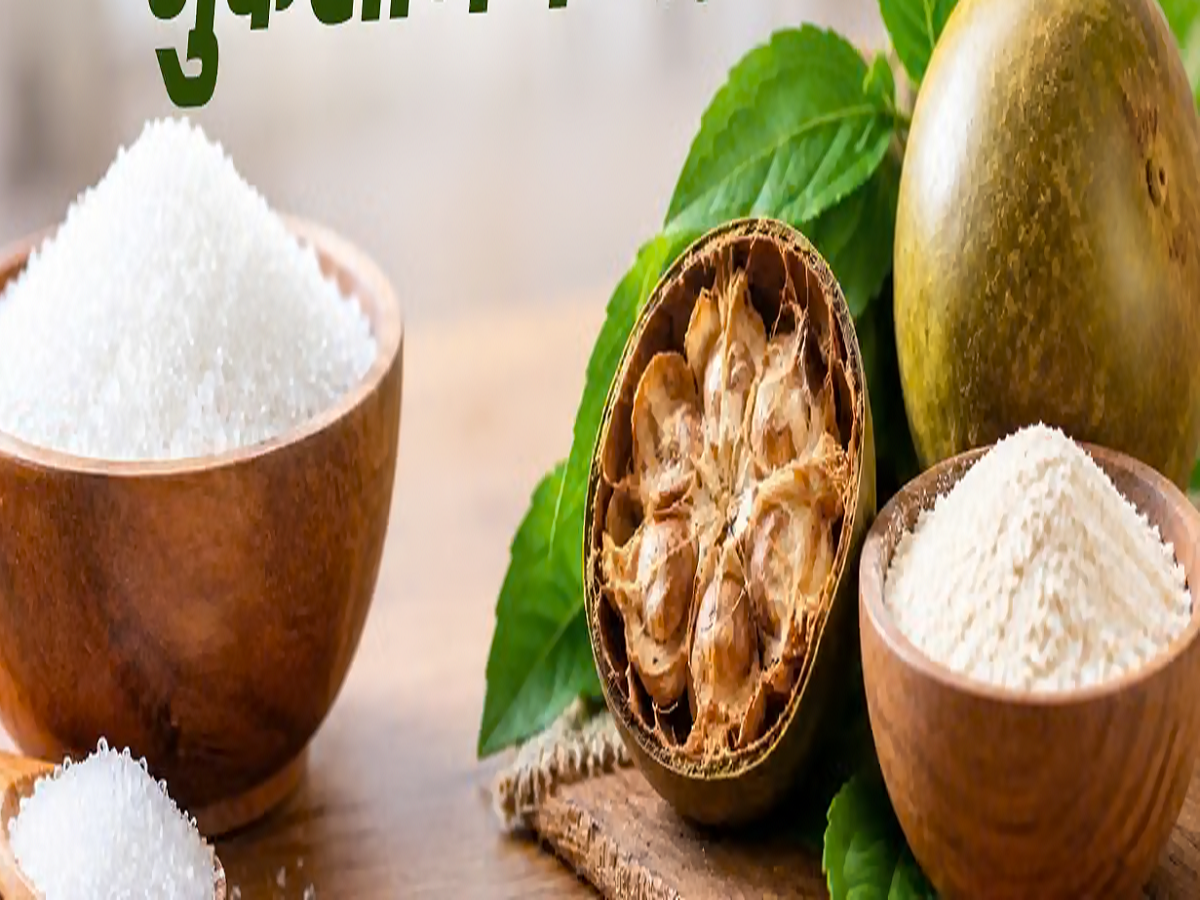
Monk fruit, also known as Luo Han Guo, is a small fruit native to southern China. Its extract contains natural compounds called mogrosides, which give it an intensely sweet taste without contributing significant calories.
Unlike regular table sugar, monk fruit extract is not a source of sucrose. It is primarily used to provide sweetness rather than nutritional benefits, as it does not supply meaningful amounts of vitamins, minerals or other essential nutrients.
Although manufacturers often promote monk fruit as a natural superfood, its main advantage is its ability to sweeten foods without the same sugar content as conventional sweeteners.
Does 'Zero Sugar' Always Mean Zero Calories?
Not necessarily. The nutritional value of a monk fruit sweetener depends on its complete formulation, not just the name printed on the front of the package.
Some products contain monk fruit extract blended with other ingredients, such as erythritol, dextrose or maltodextrin. These ingredients can influence the product's calorie content, carbohydrate levels and effects on blood glucose.
Pure monk fruit extract generally does not raise blood sugar in the same way as regular sugar. However, a blended product may behave differently depending on its ingredients.
Before purchasing, check the nutrition label and ingredient list carefully. Pay attention to total carbohydrates, added sugars, calories and the type of sweetener used. Marketing claims alone do not tell the whole story.
Can Monk Fruit Help With Weight Loss?
Monk fruit sweetener does not directly burn fat or accelerate weight loss. Its potential benefit comes from replacing regular sugar with a lower-calorie alternative.
For example, if you regularly add sugar to several cups of tea or coffee every day, switching to a suitable low-calorie sweetener may help reduce your overall calorie intake. Over time, this can support weight management when combined with a balanced diet and regular physical activity.
However, buying an expensive sweetener is not essential for losing weight. Gradually reducing the amount of sugar you use can also be effective.
It is equally important to remember that honey, jaggery and dates are not calorie-free alternatives. Although some may offer additional nutrients, their sugars and calories still need to be considered as part of your overall diet.
Is Monk Fruit a Good Choice for People With Diabetes?
Monk fruit extract may be useful for people with diabetes because it provides sweetness without the usual blood-glucose response associated with table sugar.
However, the formulation matters. Some commercial products contain ingredients that contribute carbohydrates and may affect blood glucose levels. For this reason, people with diabetes should examine the product label rather than assuming every monk fruit sweetener is suitable.
A sweetener can be one small part of a diabetes-friendly eating plan, but it cannot replace prescribed medication, physical activity, blood glucose monitoring or medical advice.
The goal should be to manage overall carbohydrate intake and maintain a balanced diet rather than relying entirely on sugar substitutes.
What Are the Possible Side Effects?
Monk fruit sweeteners are generally considered safe for consumption when used as intended, but individual experiences can vary.
Some people may experience digestive discomfort, particularly when a product contains sugar alcohols such as erythritol. Possible symptoms include bloating, gas, abdominal discomfort and loose stools.
Another consideration is taste. Certain products may leave a bitter or lingering aftertaste, which can affect their suitability for everyday use.
Research specifically examining the long-term effects of monk fruit sweeteners in humans remains more limited than the evidence available for some established sweeteners. Pregnant women, children and people with particular dietary concerns should seek appropriate professional advice when unsure about regular use.
Is Monk Fruit Worth Its High Price?
Monk fruit sweeteners can be more expensive than regular sugar because of the fruit's limited growing regions, extraction processes and product formulation.
However, a higher price does not automatically mean better health benefits. The actual value depends on the ingredients, nutritional composition, taste, affordability and how much sugar the product replaces.
If you decide to try monk fruit, choose a reputable brand and compare the ingredient list and nutrition information across products. Avoid assuming that every product labelled “natural” or “zero sugar” is nutritionally identical.
For someone who struggles to drink tea or coffee without sweetness, a suitable monk fruit sweetener may be a practical alternative. For someone who can gradually reduce their preference for sweet drinks, purchasing a substitute may not be necessary.
The Final Verdict: Should You Replace Sugar With Monk Fruit?
Monk fruit sweetener can be a useful option for reducing added sugar and calorie intake, particularly for people who prefer sweetened beverages or need to monitor their blood glucose.
However, it is not a miracle ingredient, and its benefits depend on what it replaces and which other ingredients are present in the product. Evidence about its long-term effects in humans is still developing.
The most practical approach is to reduce excessive added sugar, read food labels carefully and maintain a balanced diet. You do not necessarily need an expensive sweetener to make healthier choices.
Ultimately, the best approach is not simply to replace one sweetener with another, but to develop eating habits that keep overall sugar intake in check while allowing room for a balanced and enjoyable diet.