LIFESTYLE
Iranian or Kashmiri Saffron: Which One Is Healthier? These Five Factors Make the Difference
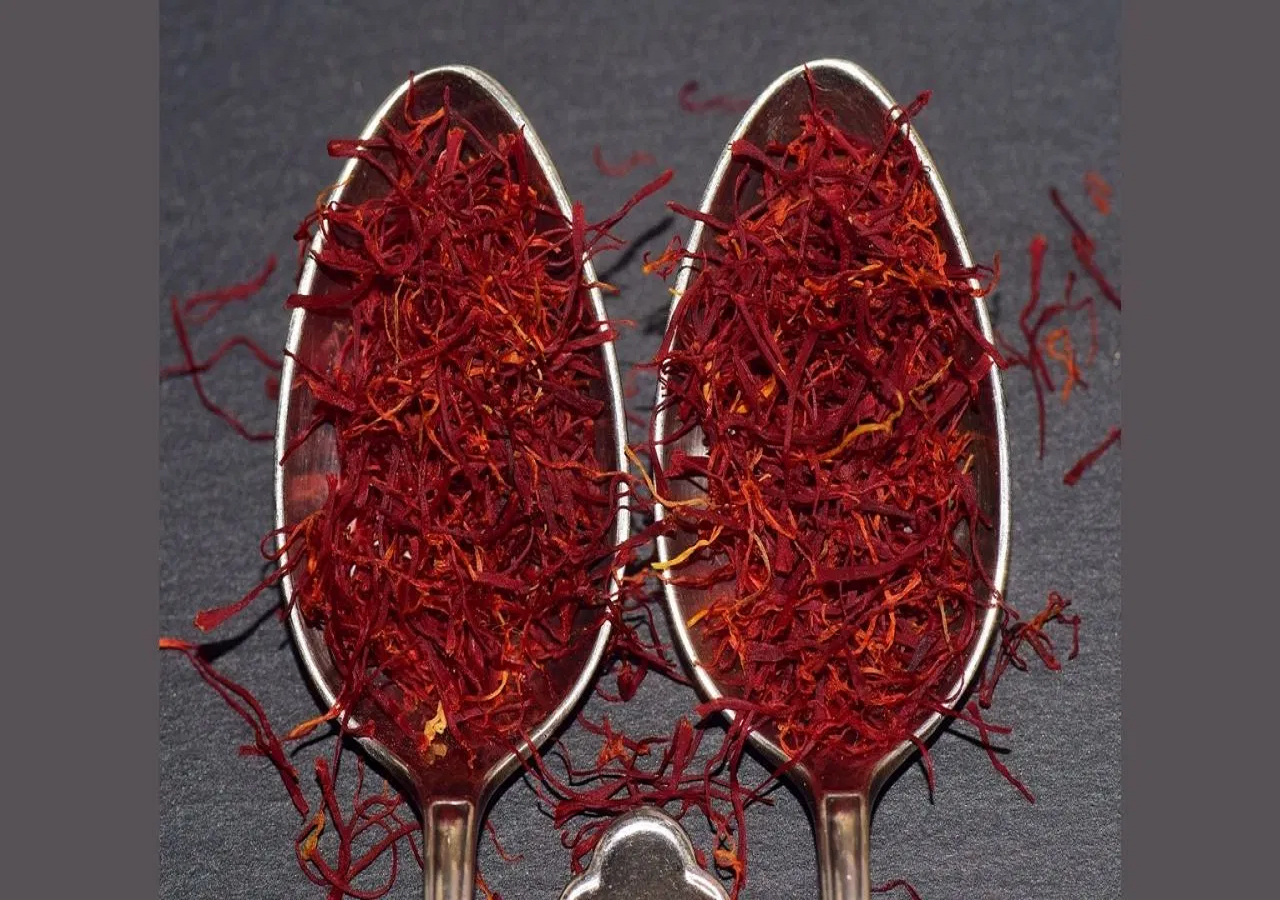
Saffron is among the world’s most expensive and valuable spices, prized not only for its aroma and flavour but also for its medicinal properties. While Iran is the largest producer of saffron globally, saffron grown in Kashmir enjoys a special reputation for its superior quality. From desserts and traditional dishes to skincare and Ayurveda, saffron is widely used. But which saffron is actually more beneficial for health? A comparison of five key factors offers the answer.
World-renowned quality
Pampore in Kashmir, often called the “saffron bowl of India,” is the heart of saffron cultivation in the region. Saffron is also grown in Budgam, Kishtwar and Srinagar. Kashmiri saffron, particularly the Mongra variety, is considered among the finest in the world due to its deep colour, strong aroma and purity.
Processing method
Iran produces nearly 90 percent of the world’s saffron and exports it on a large scale. Because of this high volume, saffron in Iran is often machine-dried. In contrast, Kashmiri saffron is traditionally harvested and dried by hand. This slow, manual process helps preserve its natural oils, colour and medicinal compounds, resulting in higher overall quality.
Higher crocin content
Crocin is the compound responsible for saffron’s deep red colour and many of its health benefits. Kashmiri saffron contains a higher concentration of crocin, giving it a darker hue compared to Iranian saffron. Crocin is a powerful antioxidant that helps reduce inflammation, combat oxidative stress and support brain health.
Rich in safranal and picrocrocin
Apart from crocin, Kashmiri saffron is also rich in safranal and picrocrocin. These compounds define saffron’s aroma and slightly bitter taste. Picrocrocin aids digestion and supports heart and brain health, while safranal is known for its anti-inflammatory and mood-enhancing properties.
Ease of identifying quality
Iranian saffron is available in multiple grades, ranging from premium to low quality, making it difficult for buyers to distinguish authenticity and purity. Kashmiri Mongra saffron, however, is more uniform in quality. When purchased from reliable sources, it offers consistent flavour, aroma and medicinal value.
Conclusion
While Iranian saffron dominates global production, Kashmiri saffron stands out in terms of purity, potency and health benefits. Owing to its traditional processing methods and higher concentration of active compounds, Kashmiri saffron is often considered the superior choice for both culinary and medicinal use.