NATIONAL
Is It Time for India’s Kargil Hero ‘Jaguar’ to Retire? Crashes, Costs, and Concerns Raise the Alarm
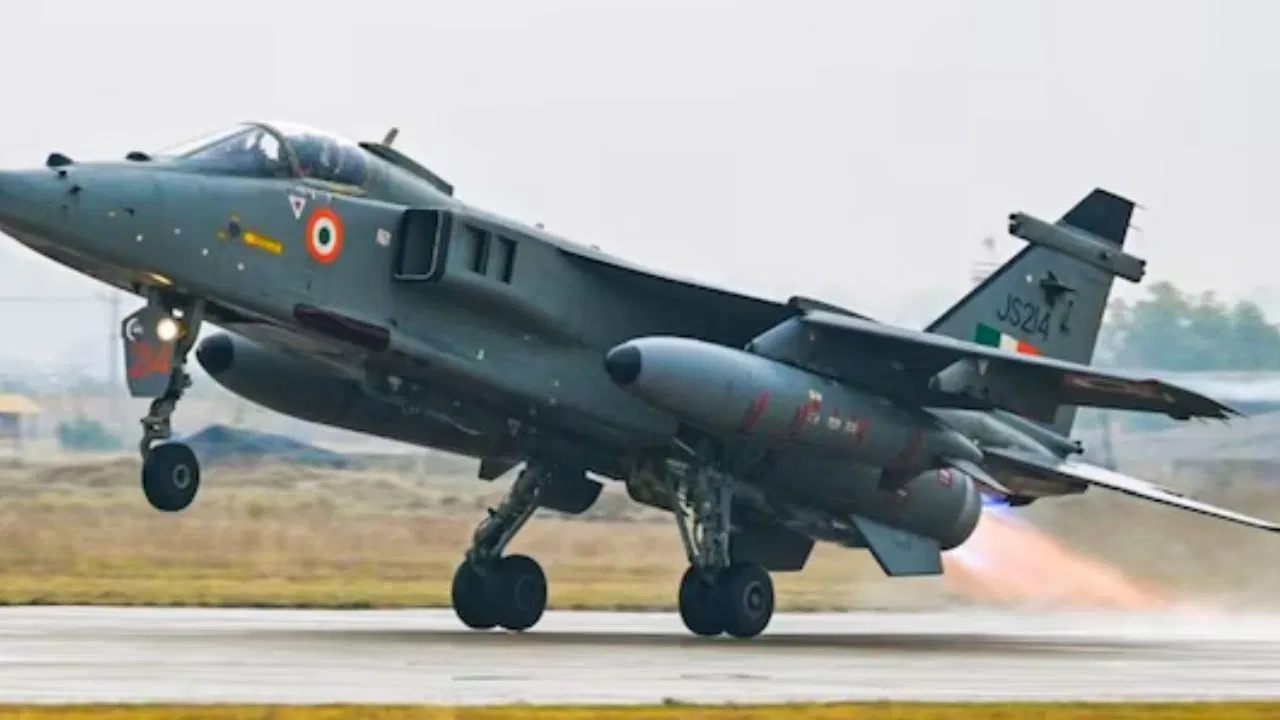
The crash of a Jaguar fighter jet in Rajasthan’s Churu district on Wednesday—claiming the lives of two experienced Indian Air Force (IAF) pilots—has reignited a difficult but urgent question: Should India finally retire the aging Jaguar fleet?
The fighter jet, once hailed as a vital asset during the 1999 Kargil War, is now increasingly viewed as a veteran past its prime. While it played a critical support role in the conflict and contributed decades of service, the rising number of crashes and costly maintenance demands have made its continued operation a serious risk.
A Hero With Scars: Over 50 Accidents in 45 Years
Since its induction into the IAF in 1979, the Jaguar fleet has been involved in more than 50 recorded accidents, with at least 65 aircraft lost by 2015. The aircraft, despite upgrades, has been described by experts as having significant airframe fatigue, making further usage potentially dangerous. The crash in Churu is the third such incident in just a few months.
Each flying hour now reportedly requires 20 hours of maintenance, pointing to the sheer logistical burden the aircraft imposes on ground crews.
Why Is It Still Flying?
The IAF currently operates around 115–120 Jaguar aircraft in six squadrons. These were initially produced under license by Hindustan Aeronautics Limited (HAL) and have since undergone several avionics and engine upgrades to extend service life. However, some of these upgrades have only partially addressed deeper structural and mechanical aging.
The continued operation is partly due to:
-
Operational gaps until newer aircraft like the Rafale, Tejas Mk2, or AMCA are fully deployed.
-
The Jaguar’s specialized strike capabilities, especially in low-level penetration and nuclear delivery roles.
Global Retirement: India Is an Outlier
Other nations including Britain, France, Nigeria, Ecuador, and Oman have long retired the Jaguar. In many of these countries, Jaguars now only exist in museums.
Former Royal Air Force instructor Tim Davis was quoted as saying:
“You can upgrade electronics and engines, but you can’t outrun metal fatigue. That’s where it ends.”
Phased Retirement Plan
According to reports, India plans to begin retiring Jaguars from 2027–28, with a complete phase-out by 2035–2040. But given the increasing number of fatal crashes, aviation experts and veterans are now asking whether this timeline is too slow.
Bottom Line: Safety vs Sentiment
While the Jaguar's legacy—especially its role in Kargil—is undeniable, continued losses of aircraft and pilots’ lives point to a harsh reality. The Indian Air Force may soon have to weigh sentiment against safety, and accelerate the retirement of an aging warhorse that once flew with pride, but now flies under growing risk.