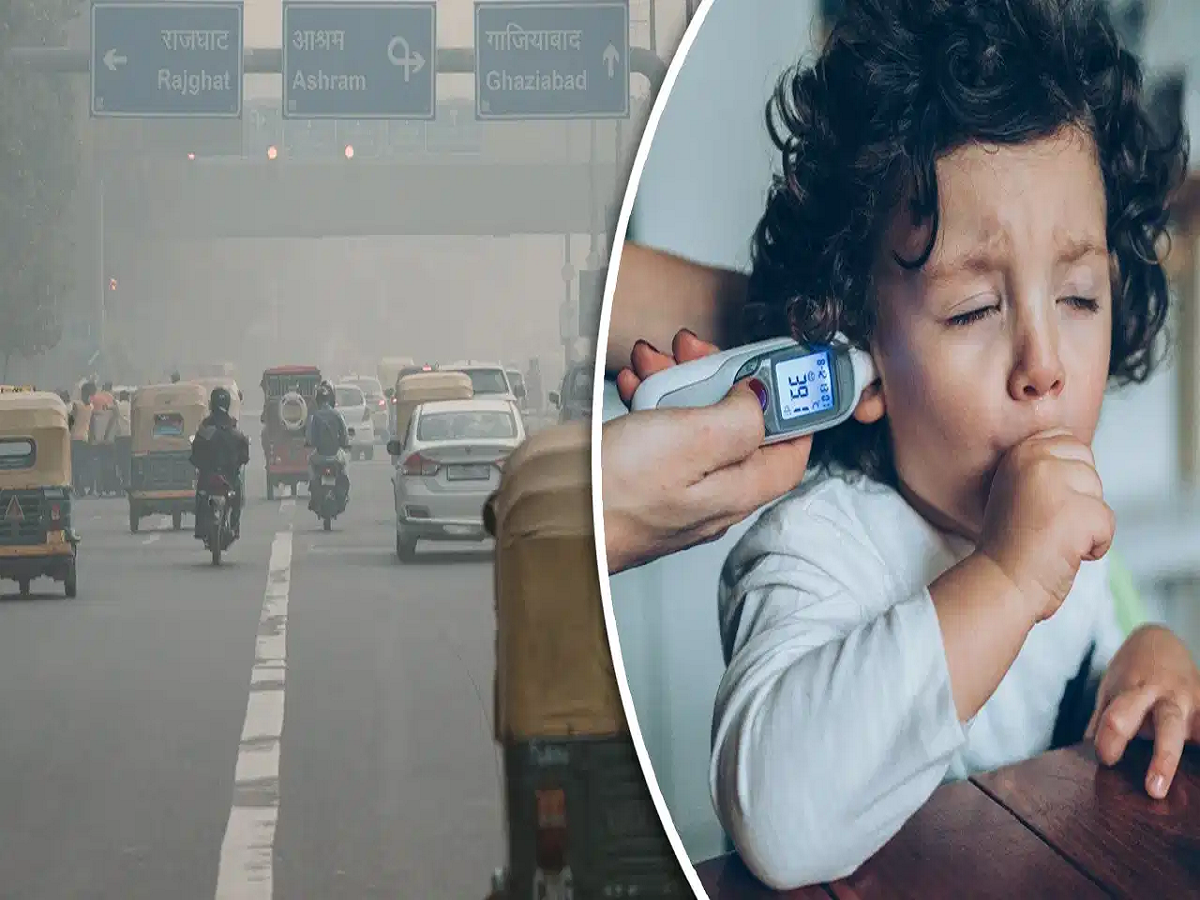
As air pollution levels rise during the smog season, many parents worry about their children developing persistent coughs, sore throats, and breathing difficulties. While these symptoms are often associated with common colds and respiratory infections, polluted air could also be a contributing factor. Understanding the link between air quality and children's respiratory health is essential to protecting their developing lungs.
How Does Air Pollution Trigger Frequent Coughing?
Air pollution contains tiny particles and harmful gases that can irritate the respiratory system. Among these, PM2.5 particles are particularly concerning because they are small enough to penetrate deep into the lungs.
When children breathe polluted air, their airways may become inflamed and produce excess mucus. This irritation can trigger a dry cough, throat discomfort, wheezing, and breathlessness. Children are especially vulnerable because their lungs are still developing and they breathe more air relative to their body weight than adults.
Pollution can also aggravate existing conditions such as asthma and respiratory allergies, making symptoms more frequent or severe.
Pollution or Infection: How Can Parents Tell the Difference?
A persistent cough does not always indicate a bacterial infection. Pollution exposure, allergies, asthma, and viral illnesses can cause similar symptoms, and sometimes more than one factor is responsible.
A cough that worsens outdoors or during periods of poor air quality may suggest pollution-related irritation. Night-time coughing or wheezing may indicate increased airway sensitivity. Fever, body aches, and general weakness can accompany an infection, although symptoms alone cannot establish the cause.
Parents should consult a doctor if their child experiences repeated coughing, disturbed sleep, wheezing, reduced physical activity, or difficulty breathing. A cough lasting more than four weeks requires medical evaluation, and younger children may need assessment sooner depending on their symptoms.
Practical Ways to Protect Children From Pollution
Parents can take several precautions to reduce children's exposure to polluted air:
-
Check the local Air Quality Index (AQI) before planning outdoor activities.
-
Reduce outdoor play and strenuous exercise when pollution levels are high.
-
Keep windows closed during periods of severe outdoor pollution when practical, while ensuring adequate ventilation when outdoor air quality improves.
-
Avoid smoking, incense smoke, and other indoor sources of pollution.
-
Consider a properly sized air purifier with a HEPA filter if indoor particulate pollution is a concern.
-
If the child has asthma, follow the prescribed treatment plan and keep recommended medication available.
-
If outdoor exposure is unavoidable during poor air quality, a well-fitting, age-appropriate particulate respirator may help older children when they can use it safely. Masks should never be used on children under two years of age.
Why Antibiotics Are Not Always the Answer
Repeated coughing can lead parents to seek quick relief through medicines or antibiotics. However, antibiotics do not treat pollution-related irritation, asthma, allergies, or viral infections. Using them without a medical indication can cause side effects and contribute to antibiotic resistance.
A healthcare professional can evaluate the child's symptoms, medical history, and exposure to pollution to determine whether further examination or treatment is necessary. Avoid giving cough medicines or starting antibiotics without appropriate medical advice, particularly for young children.
When Should Parents Seek Urgent Medical Attention?
Difficulty breathing, visibly pulling in of the chest while breathing, bluish lips, unusual drowsiness, or an inability to drink because of breathing problems requires immediate medical attention. Do not wait for symptoms to resolve on their own.
Conclusion
Frequent coughing during the smog season should not automatically be dismissed as a common cold. Air pollution can irritate children's airways, worsen asthma, and contribute to respiratory symptoms. Monitoring air quality, reducing exposure, maintaining prescribed treatment, and seeking timely medical advice can help protect children's respiratory health.
The key is to identify the underlying cause rather than repeatedly treating the symptom. A persistent cough deserves attention, especially when it affects a child's sleep, breathing, or everyday activities.