AUTO
Is Your Smart Car Safe From Hackers? One Small Mistake Could Put Your Vehicle's Security and Personal Data at Risk
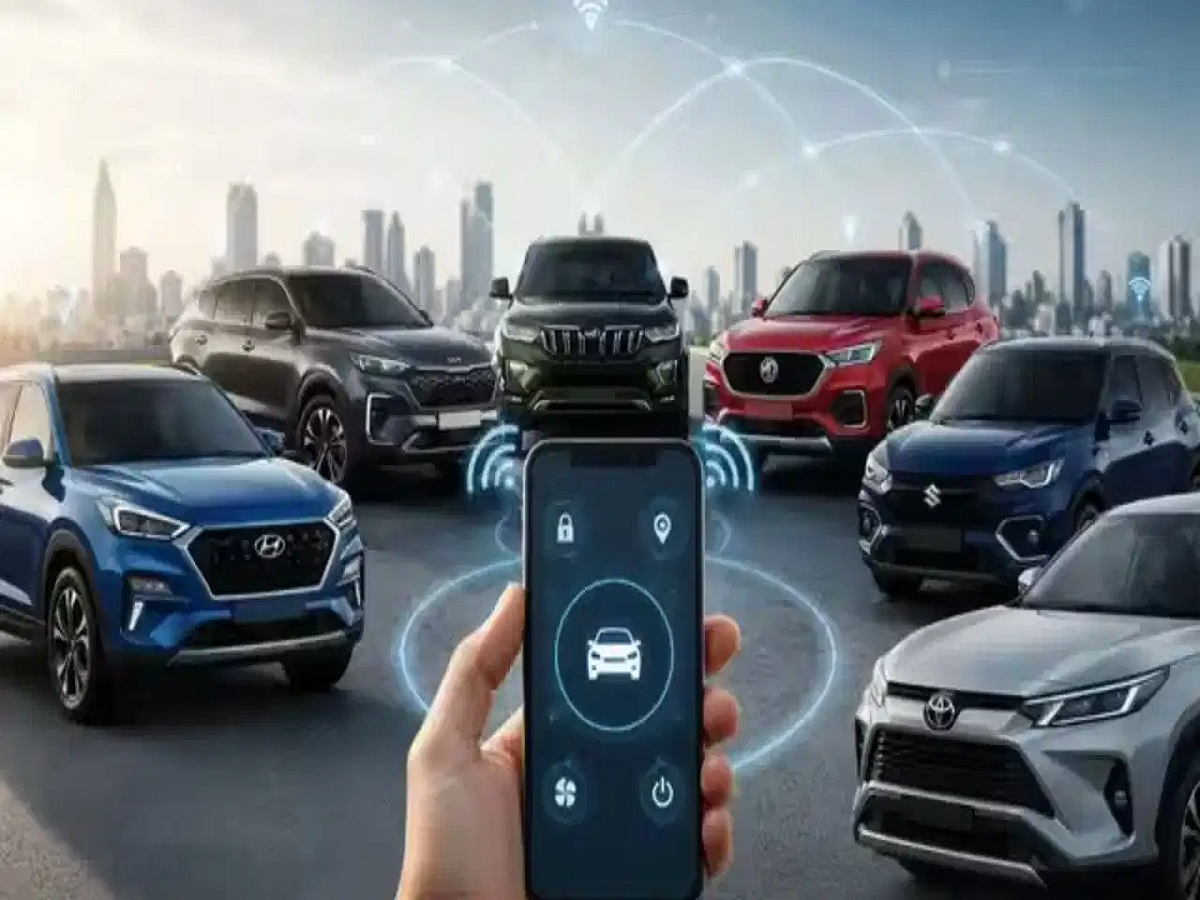
Modern cars are becoming increasingly advanced, with features that were once limited to luxury vehicles now available in family SUVs and affordable models. From remotely starting the engine and switching on the air conditioner to tracking vehicle location through a smartphone, connected-car technology has made driving more convenient than ever.
However, these smart features also introduce new cybersecurity risks. Today's internet-connected vehicles rely on multiple electronic control units (ECUs), wireless communication systems, software and cloud-based services. If these systems are not properly secured, hackers may attempt to exploit vulnerabilities to access vehicle functions or personal information.
Mobile applications, smart keys, diagnostic ports and vehicle communication networks are among the potential entry points. So, how do these attacks happen, and what can car owners do to protect their vehicles?
1. How Can Hackers Target Internet-Connected Cars?
Modern vehicles use connected technology to communicate with smartphone applications and manufacturers' servers. Services such as Hyundai BlueLink, Tata iRA, Mahindra Adrenox, Suzuki Connect and MG i-SMART offer features like remote locking, vehicle tracking and climate control.
If an application, server or communication system has a security vulnerability, attackers may attempt to gain unauthorised access.
Some common potential attack methods include:
Mobile App and Cloud Server Attacks: Connected-car applications communicate with cloud servers to provide remote vehicle controls. Weak passwords, compromised accounts or security vulnerabilities could expose sensitive information or connected features.
CAN Wiring Attacks: A vehicle's Controller Area Network (CAN) allows different electronic components to communicate. If an attacker gains physical access to vulnerable wiring or connected components, they may attempt to inject unauthorised signals into the network.
Smart Key Signal Theft: Some keyless-entry systems can be vulnerable to relay attacks. In this method, criminals use specialised equipment to relay signals between a vehicle and its smart key, potentially making the vehicle believe the key is nearby.
OBD-II Port Misuse: The OBD-II diagnostic port, generally located beneath the dashboard, allows mechanics to diagnose vehicle problems. If criminals gain physical access, specialised devices may be used to attempt unauthorised key programming or changes to certain vehicle settings.
2. Can Hackers Take Control of a Moving Car?
One of the biggest concerns among vehicle owners is whether hackers can remotely control a moving car, including its steering, brakes or accelerator.
Although cybersecurity vulnerabilities can create serious risks, remotely taking complete control of a vehicle is not as simple as it appears in movies.
Modern vehicles generally use security gateways and network separation to protect critical systems from less-sensitive components such as infotainment and entertainment systems.
However, vulnerabilities can still exist, depending on the vehicle's design and software.
In many practical scenarios, the more immediate concerns include:
-
Unauthorised access to vehicle doors.
-
Theft through keyless-entry vulnerabilities.
-
Tracking the vehicle's location.
-
Exposure of personal information.
-
Misuse of connected-car accounts.
This makes vehicle cybersecurity an important consideration when purchasing and maintaining a smart car.
3. What Are India's Rules for Connected-Car Cybersecurity?
As vehicles become increasingly connected, cybersecurity standards are becoming an important part of automotive safety.
India has introduced automotive industry standards, including AIS-189 and AIS-190, addressing cybersecurity and software update-related requirements.
These standards focus on areas such as protecting vehicle systems against cyber threats, securing communication channels and ensuring software updates are properly managed.
The objective is to encourage manufacturers to build stronger security measures into connected vehicles and reduce the possibility of unauthorised access.
4. Six Important Ways to Protect Your Smart Car From Hackers
Car owners can also take several precautions to reduce the risk of vehicle theft and digital security breaches.
1. Keep Your Smart Key in a Faraday Pouch
Keyless-entry smart keys continuously communicate with compatible vehicle systems. A properly designed Faraday pouch blocks radio signals and can help prevent relay attacks. Keep the key away from doors and windows when not in use.
2. Use Strong Passwords for Connected-Car Apps
Avoid simple passwords such as your name, date of birth or mobile number. Use a unique password and enable biometric authentication or two-factor authentication wherever supported.
3. Install a Steering or Pedal Lock
A physical steering-wheel or pedal lock provides an additional layer of protection against vehicle theft. It may not prevent digital attacks, but it can make unauthorised vehicle use more difficult.
4. Protect the OBD-II Diagnostic Port
Consider an appropriate OBD-II port lock to prevent unauthorised physical access. Avoid allowing unknown individuals to connect diagnostic devices to your vehicle.
5. Avoid Unauthorised Electrical Modifications
Installing accessories such as dashcams, GPS trackers or aftermarket infotainment systems through improper wiring can introduce electrical and security vulnerabilities.
Use manufacturer-approved accessories and qualified technicians. Avoid cutting factory wiring unnecessarily.
6. Install Official Software Updates
Manufacturers regularly release software updates to improve vehicle performance, fix bugs and address security vulnerabilities.
Check for official updates and install them according to the manufacturer's instructions. Avoid unofficial software modifications.
5. What Should You Check Before Buying a Connected Car?
If you are planning to purchase a new SUV or internet-connected vehicle, do not focus only on touchscreen size, sunroof features and smartphone connectivity.
Pay attention to its cybersecurity features as well.
Here are some important things to check:
-
Does the manufacturer provide regular software updates?
-
Does the connected-car application support secure login?
-
Can you remotely disable connected services if your phone is lost?
-
Does the vehicle have security measures to protect critical electronic systems?
-
Does the manufacturer provide support for reporting cybersecurity vulnerabilities?
These questions can help you understand how seriously a manufacturer approaches vehicle security.
Conclusion: Smart Cars Need Smart Security
Connected-car technology has made modern vehicles more convenient, but it has also introduced cybersecurity challenges that car owners should not ignore.
A compromised account, stolen smart-key signal or unauthorised diagnostic connection could create security risks. However, following basic precautions, using strong passwords, protecting smart keys and installing official software updates can help reduce these risks.
As vehicles become more connected, cybersecurity should be treated as an essential part of car ownership rather than an optional feature.