A temporary 10-day ceasefire between Israel and Lebanon has come into effect following mediation led by the United States. The agreement is being seen as an important step toward reducing tensions and opening the door for longer-term peace talks in the region.
According to the official statement, the ceasefire is built around six key understandings. First, Israel has agreed to the ceasefire as a goodwill gesture to enable meaningful negotiations, while still retaining its right to self-defense in case of any threat or attack.
Second, Israel has committed to halting offensive operations inside Lebanon. This includes refraining from targeting civilian areas, military sites, or government infrastructure via land, air, or sea, although defensive action remains an exception.
Third, the agreement allows room for extension beyond the initial 10-day period. If discussions progress positively and stability improves, both sides may mutually decide to continue the ceasefire.
Fourth, responsibility has been placed on Lebanon to ensure that militant groups, particularly Hezbollah, do not carry out attacks against Israel. This may involve coordination with international partners to maintain control and prevent escalation.
Fifth, the agreement emphasizes that Lebanon’s sovereignty and internal security will remain under the authority of its own military and state institutions, with no external interference.
Finally, both nations have requested continued mediation by the United States to resolve outstanding issues, including the sensitive matter of border demarcation, which is crucial for long-term stability.
Despite the ceasefire, Israel has clarified that it will not withdraw its troops from Lebanese territory at this stage. Meanwhile, Lebanese Parliament Speaker Nabih Berri has urged citizens to delay returning to their homes, citing ongoing safety concerns.
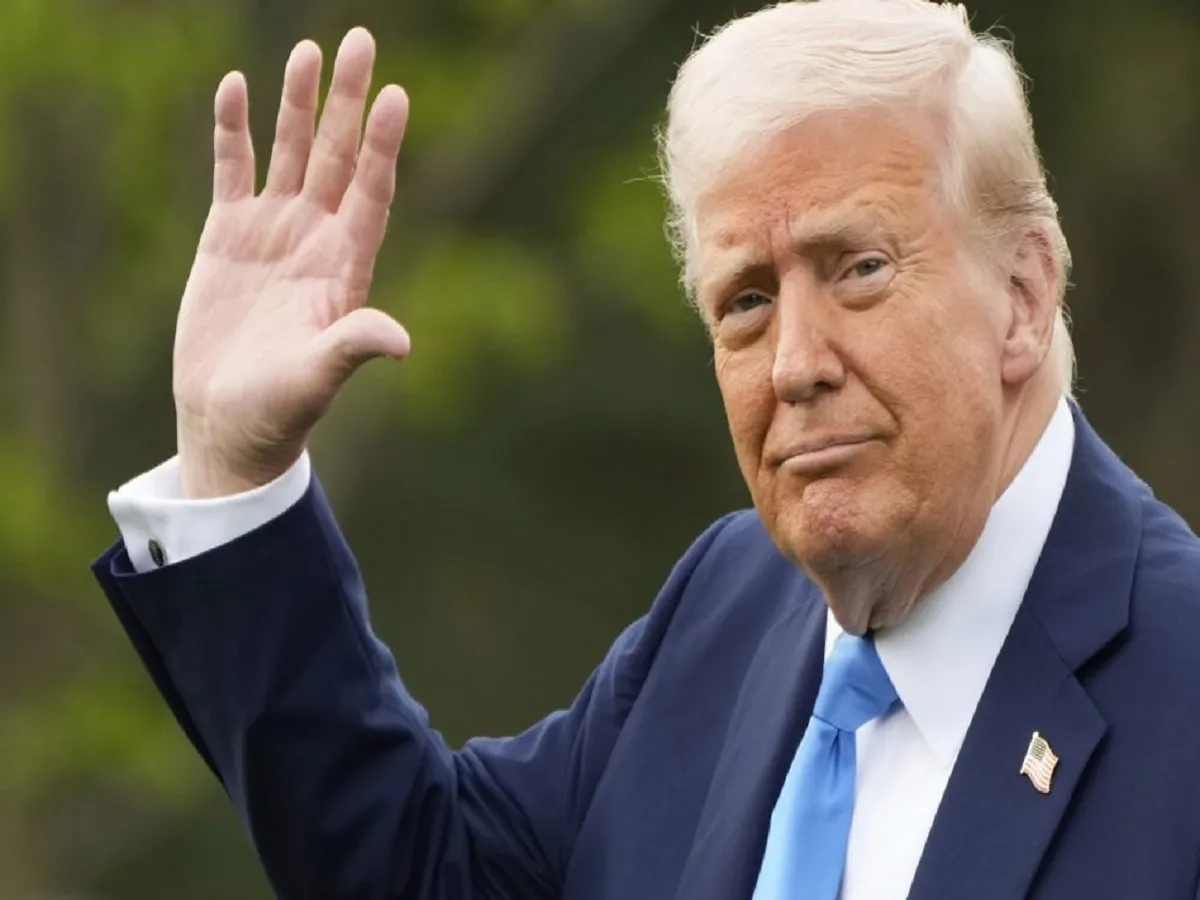
The ceasefire announcement, supported by former US President Donald Trump, comes after prolonged conflict in southern Lebanon, where tensions involving Hezbollah have displaced thousands. While this agreement offers a pause in hostilities, its success will depend on how both sides adhere to the terms and whether negotiations can lead to a lasting resolution.