NATIONAL
Marathi Language Row: Businessman Sushil Kedia Apologizes After MNS Vandalizes His Office Over Remarks
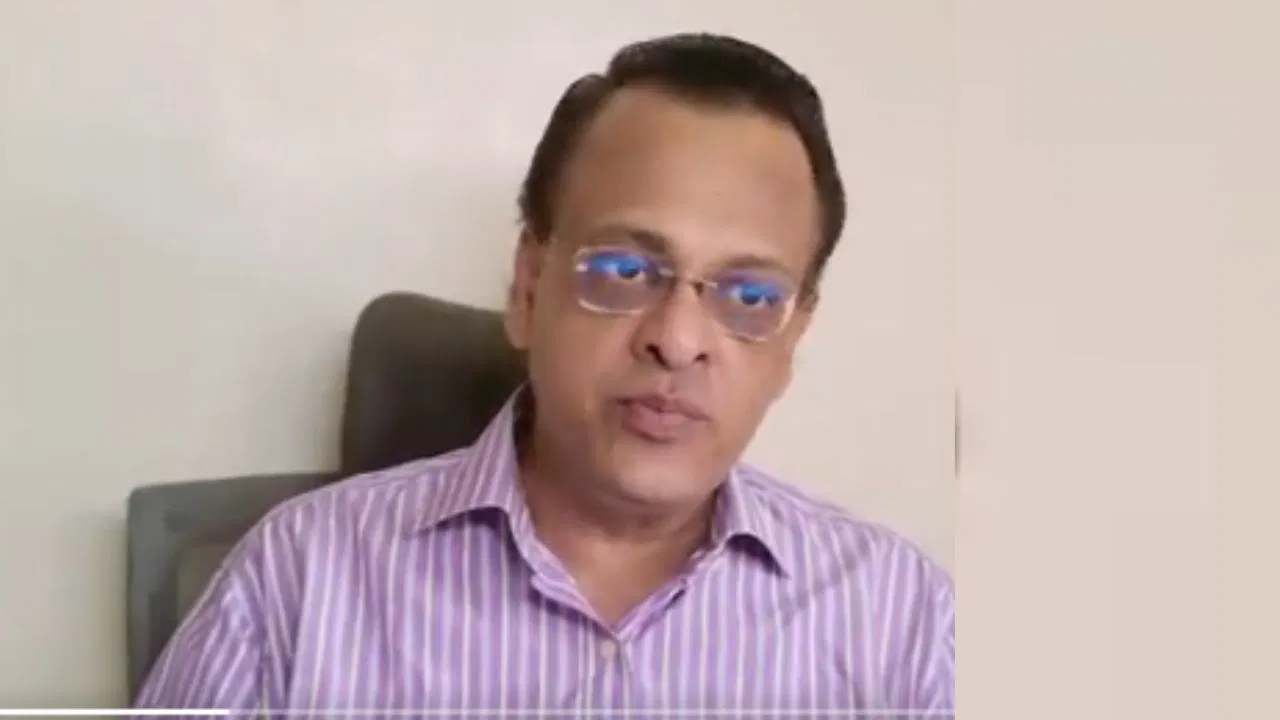
The language controversy in Maharashtra has intensified once again, this time involving businessman Sushil Kedia, who found himself at the center of a political and social storm after posting a statement online refusing to learn the Marathi language. The situation escalated quickly when workers of the Maharashtra Navnirman Sena (MNS) allegedly vandalized Kedia’s office in Mumbai’s Worli area on the morning of July 5, 2025.
What Triggered the Incident?
Sushil Kedia had taken to social media platform X (formerly Twitter) on Friday, where he wrote a defiant message addressed to MNS chief Raj Thackeray, stating:
"Raj Thackeray, I will not become fluent in the Marathi language by being threatened by hundreds of your workers. If I don't have confidence in the quality of the Marathi language, then amid so many threats, I am even more afraid that if I utter a word incorrectly, there will be more violence."
His comments came amid growing tensions over linguistic identity politics in Maharashtra, where the state's cultural pride and use of the Marathi language have been longstanding flashpoints.
Office Vandalized by MNS Workers
In response to his remarks, a group of MNS activists allegedly stormed Kedia's office, vandalizing the premises and sparking widespread concern over rising intimidation tactics. Videos and images of the damaged office quickly circulated online, drawing both support and criticism from various corners of the political spectrum.
Kedia’s Apology Following Vandalism
Following the attack, Sushil Kedia posted a video apology on Instagram, expressing regret for his remarks. He stated:
"I was under mental stress due to the situation that had arisen. I request Raj Thackeray ji to consider my humble submission."
He also tagged Raj Thackeray in a tweet, attempting to de-escalate the conflict by withdrawing his earlier statement and expressing a willingness to reconcile.
"2165" data-end="2465">The controversy reflects a broader conflict that has been simmering in the state. The Maharashtra government’s move to make Hindi compulsory as the third language in primary schools has triggered sharp opposition from regional groups and sparked fears over the marginalization of Marathi.
As a result, multiple incidents have been reported across the state in recent months where individuals were allegedly harassed or even attacked for not speaking or understanding Marathi fluently. MNS, known for its pro-Marathi stance, has frequently clashed with non-Marathi-speaking communities over such issues.
The state government has attempted to walk a fine line—on one hand, upholding the linguistic heritage of Maharashtra, and on the other, condemning violence carried out in the name of language enforcement. However, cases like Kedia's suggest that enforcement on the ground remains a concern.
Political and Legal Reactions Expected
Legal experts and human rights activists have raised alarms about the implications of such incidents on freedom of speech, personal liberty, and business safety in the state. It is likely that the matter may reach courts or the Human Rights Commission, given the public nature of the confrontation and the involvement of political workers.