LIFESTYLE
Memory Isn’t Just in Your Brain—Your Kidneys and Other Cells Can Remember Too, Study Finds
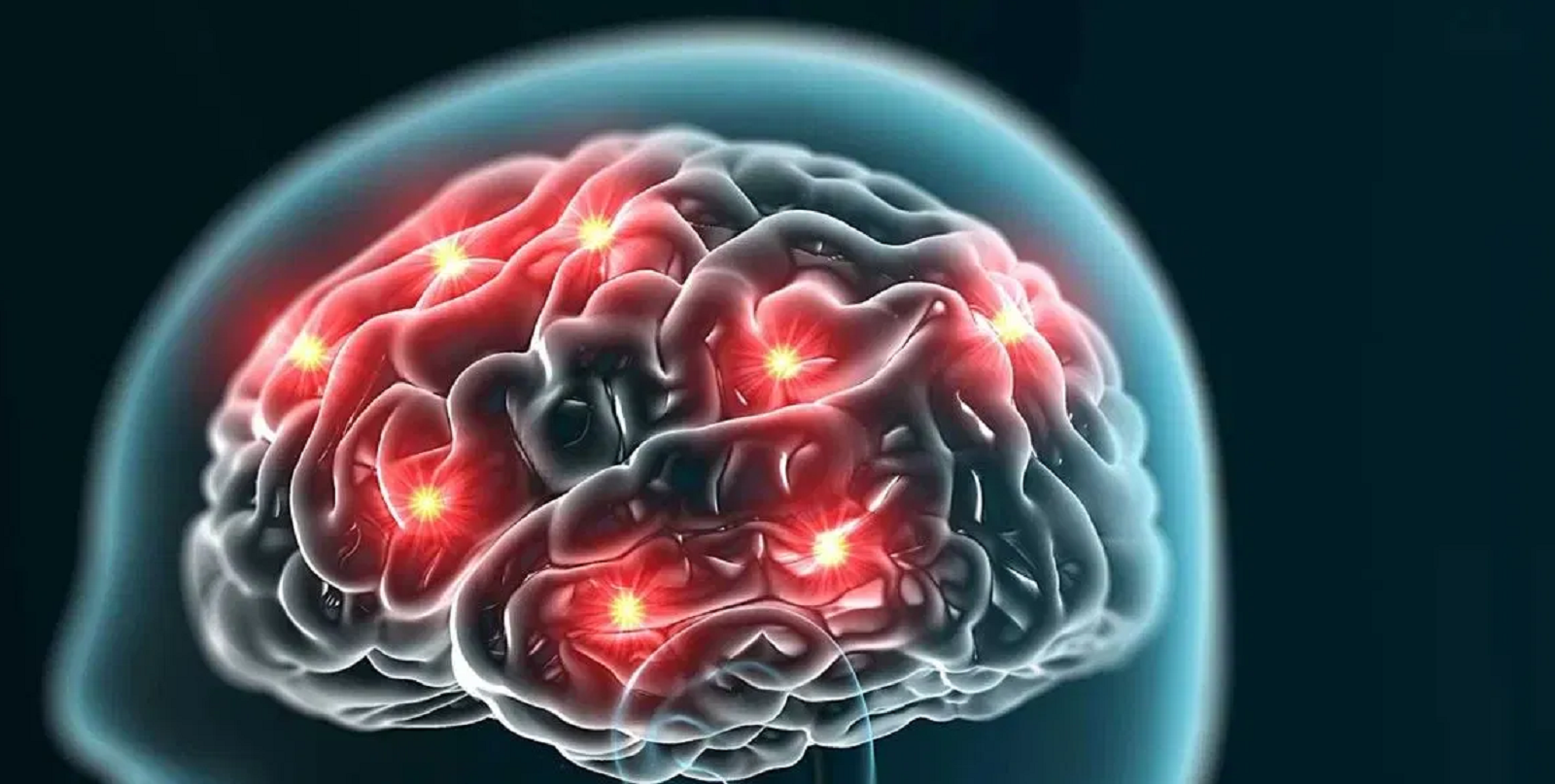
For decades, we believed memory was a function exclusive to the brain. However, new research from Dr. Nikolay Kukushkin at New York University (NYU) has revealed a groundbreaking discovery: non-neuronal cells, including kidney and nerve cells, can also “remember” stimuli.
Memory Genes in Non-Brain Cells
-
The study found that when non-neural cells receive specific chemical signals, they activate a “memory gene” similar to neurons.
-
This suggests that memory is not confined to the brain, but can exist in various cells throughout the body.
-
Dr. Kukushkin’s research has been published in Nature Communications.
The Role of Intermittent Signals
-
Cells that received signals at short intervals showed longer-lasting memory gene activation, whereas cells exposed to a single continuous signal had weaker memory.
-
This phenomenon, previously known as the “spacing effect” in neurons, applies to non-neuronal cells as well.
Tracking Cellular Memory
-
NYU researchers inserted a reporter gene into the cells that glows when the memory gene is activated, allowing real-time tracking of memory responses.
-
Cells signaled intermittently had stronger and more durable memory gene activation, demonstrating that timing is crucial for cellular memory.
Implications
-
This discovery could have a major impact on treatments for memory-related disorders, including Alzheimer’s disease.
-
It also hints that educational methods might benefit from periodic reinforcement, as intermittent cues appear to strengthen memory retention.
In short, memory is not just a brain function—it’s a cellular function throughout the body, and understanding this could transform medicine and learning strategies.