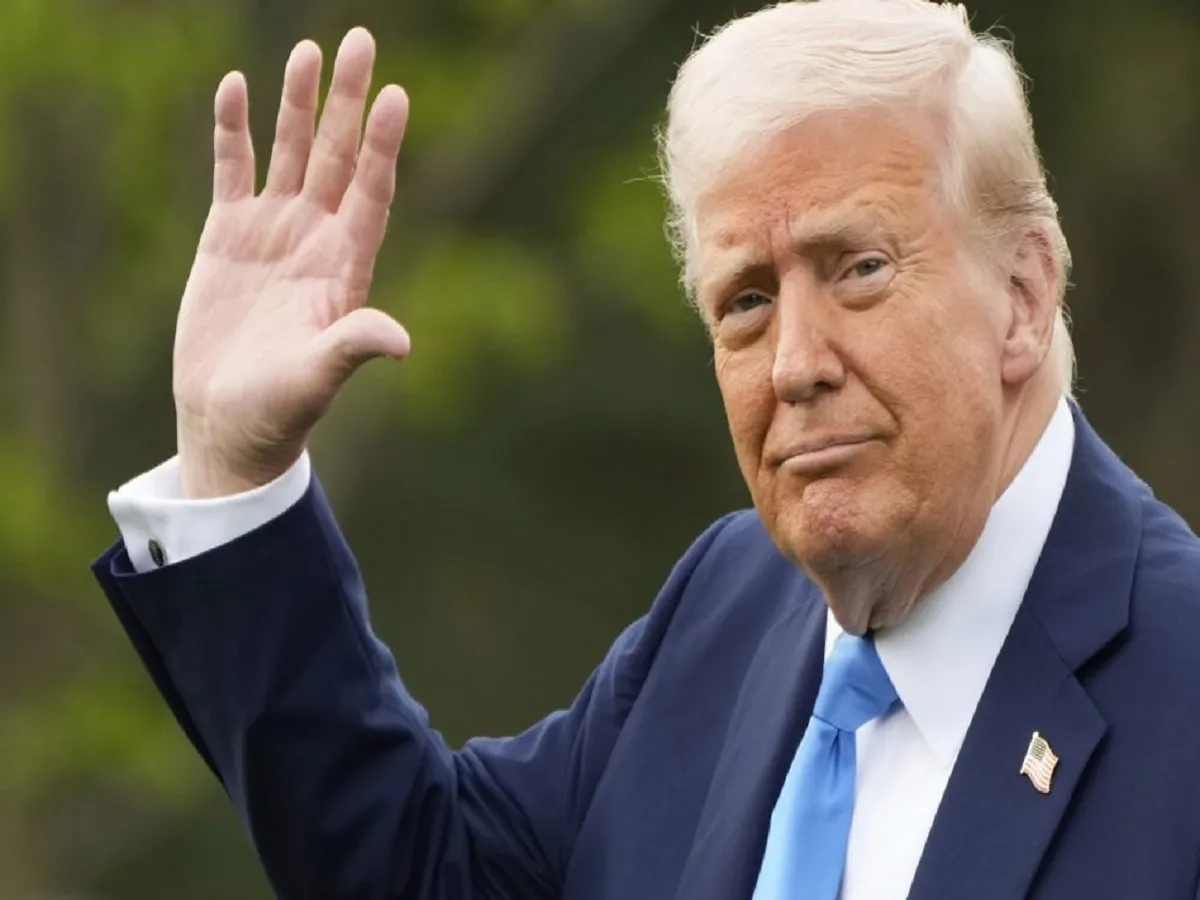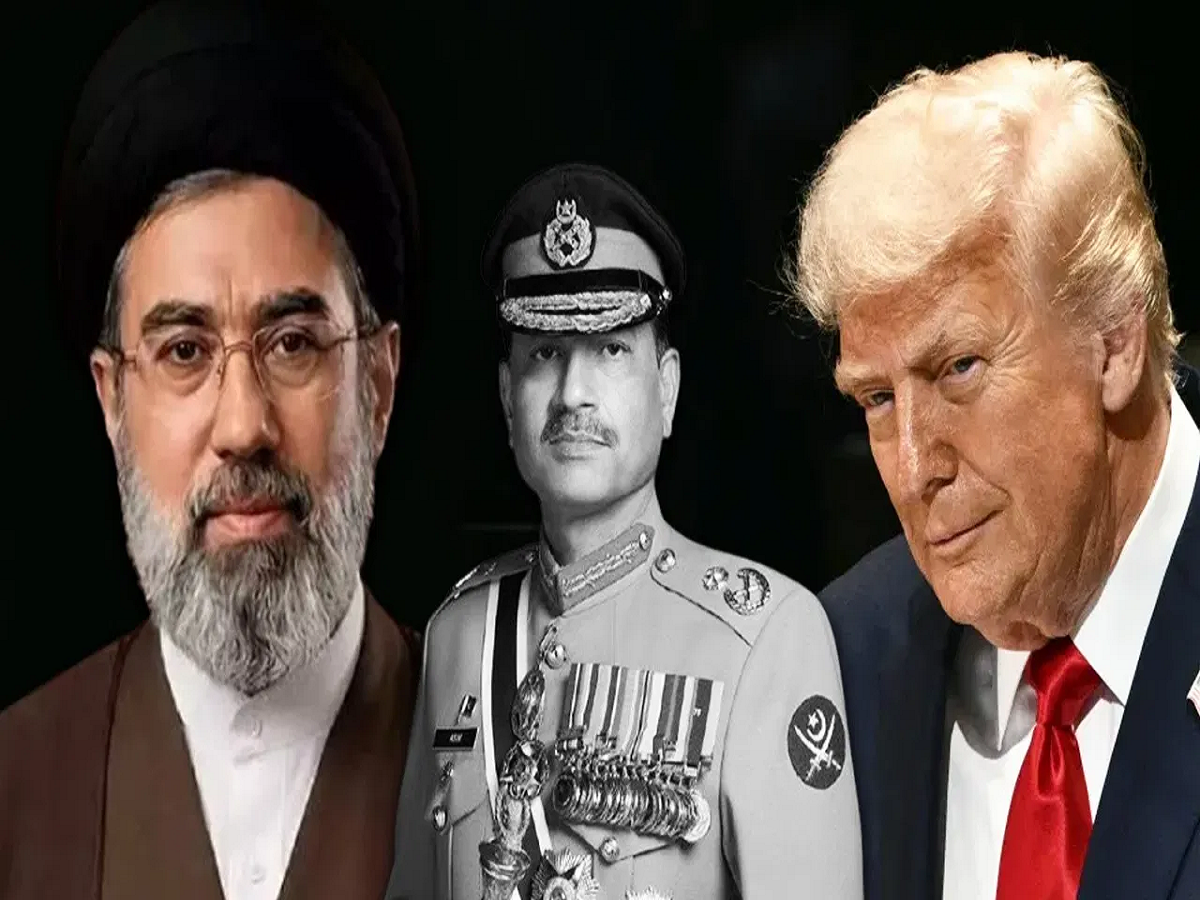
The recent ceasefire between the United States and Iran has brought Pakistan into sharp focus, with both US President Donald Trump and Iranian Foreign Minister Abbas Araghchi acknowledging Islamabad’s involvement. This has sparked a key question: Was Pakistan a mediator shaping the deal, or merely a messenger facilitating communication?
How the Ceasefire Took Shape
According to international reports, Iran initially proposed a 10-point ceasefire plan, which underwent revisions after diplomatic back-and-forth involving multiple global players. The United States sought to prevent further escalation, while Iran adjusted its stance on key issues, including maritime access through the Strait of Hormuz.
Once a mutually acceptable framework emerged, approvals were needed at the highest political levels on both sides — setting the stage for indirect communication channels.
Pakistan’s Actual Role
Available information suggests that Pakistan did not play a decisive role in negotiating or drafting the ceasefire terms. Instead, its involvement appears to have been largely logistical and communicative:
- Acting as a channel for relaying messages between Washington and Tehran
- Conveying approvals and responses once both sides reached a near-agreement
- Facilitating timely communication at critical moments
In essence, Pakistan functioned more as a messenger or conduit, rather than a traditional mediator influencing the substance of the deal.
Why Was Pakistan Involved?
Experts point to several strategic reasons behind Pakistan’s inclusion:
- Geopolitical positioning: Pakistan maintains working relationships with both the US and countries in the Middle East, making it a convenient intermediary.
- Diplomatic relevance: Participation in such high-stakes communication allows Pakistan to reassert its importance on the global stage.
- Economic considerations: With economic challenges at home, Islamabad has incentives to strengthen ties with major powers and regional blocs.
- US strategic choice: Some analysts believe the US used Pakistan as a practical channel to advance its interests without direct engagement at sensitive stages.
Expert View
Policy analysts suggest that while Pakistan’s role was visible, it was not transformative. It neither shaped the agreement nor influenced its core terms, but helped in ensuring that communication flowed smoothly during a tense phase.
Conclusion
Despite public acknowledgments, Pakistan’s role in the US–Iran ceasefire appears to be limited to that of a facilitator rather than a dealmaker. The distinction is crucial: while mediators influence outcomes, messengers enable them.