INTERNATIONAL
Middle East Flashpoint: Iran Retaliates Within Two Hours, Bombing US Military Base in Kuwait
The fragile peace in the Middle East has shattered once again. Following a surprise US military strike on Iranian soil, Iran has launched a rapid retaliatory bombardment against a major US military installment located inside Kuwait, triggering an immediate regional security crisis.
The escalation has also set off a dangerous domino effect across neighboring borders, with Israel instantly launching massive synchronized airstrikes against Lebanon. Here is a complete breakdown of how the ceasefire collapsed within hours, the targets hit, and the geopolitics behind this sudden conflict.
1. The Retaliation: Al Salem Air Base Under Fire
In direct response to a US bombing run on the strategic coastal city of Bandar Abbas, the Islamic Revolutionary Guard Corps (IRGC) executed a rapid counter-strike just two hours later, targeting Al Salem Air Base in Kuwait—a critical hub for American military operations in the region.
-
The Defense Response: The Kuwaiti military confirmed that its localized air defense infrastructure was immediately activated to intercept incoming Iranian projectiles around the base.
-
Civilian Directives: The Kuwaiti government has issued an urgent advisory, urging all citizens to remain vigilant and strictly adhere to state security regulations.
2. Chronology of the Breakdown: Defensive Action vs. Ceasefire Violation
While an official ceasefire between Washington and Tehran had been maintained since April, the entire agreement imploded over an escalation in the Persian Gulf.
The US Defense Position
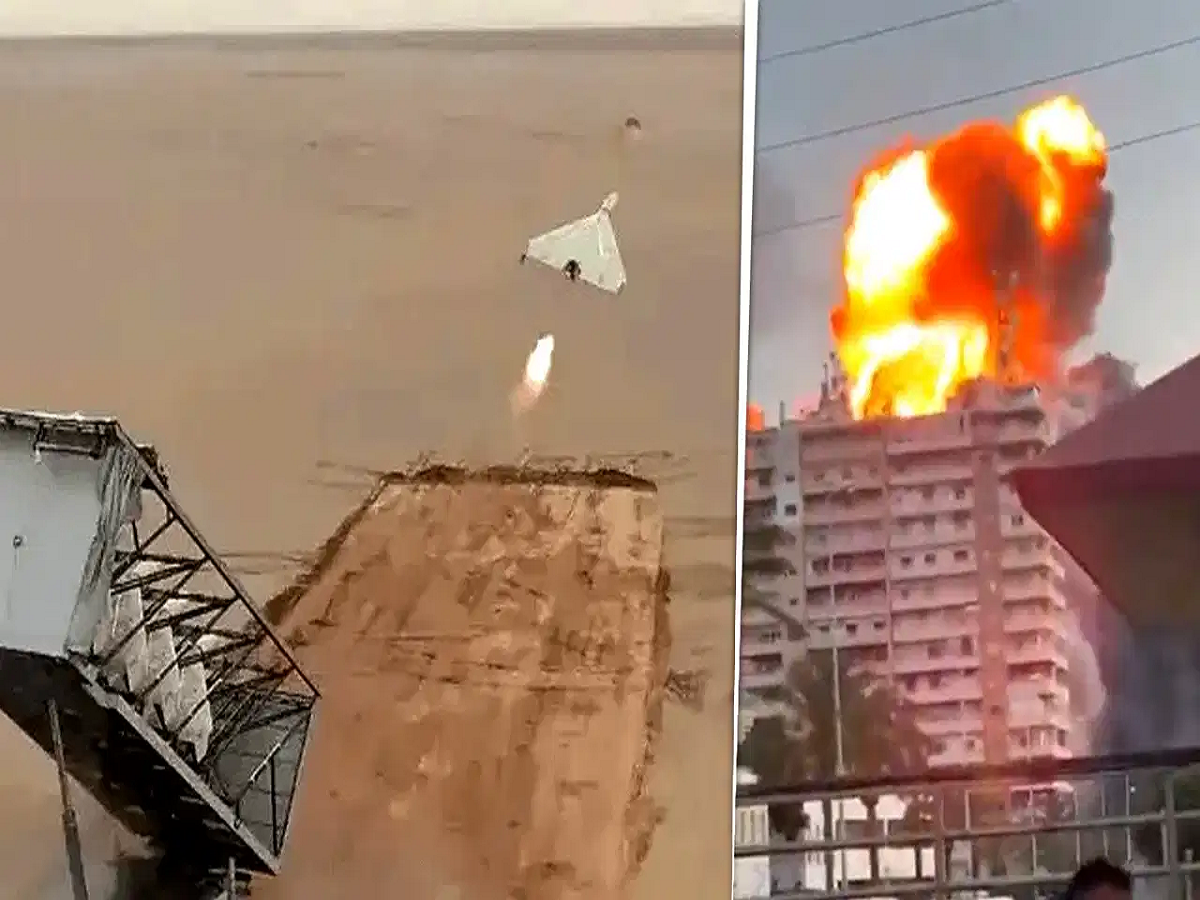
According to reports from Axios, the catalyst began when an American merchant vessel, traveling under US military escort, was passing through the waters near Bandar Abbas. Iran reportedly deployed four attack drones toward the vessel.
In what Washington describes as a strictly defensive maneuver, the US military successfully neutralized all four drones and subsequently executed a targeted counter-strike to destroy the origin launcher site on the Iranian coast.
3. The Nuclear Standoff: Why Direct Talks Collapsed
The military escalation comes directly on the heels of a diplomatic deadlock over nuclear material. Iranian delegates had actually traveled to Kuwait this week to finalize the draft of a long-term peace treaty.
However, the geopolitical landscape shifted following a crucial cabinet briefing in Washington:
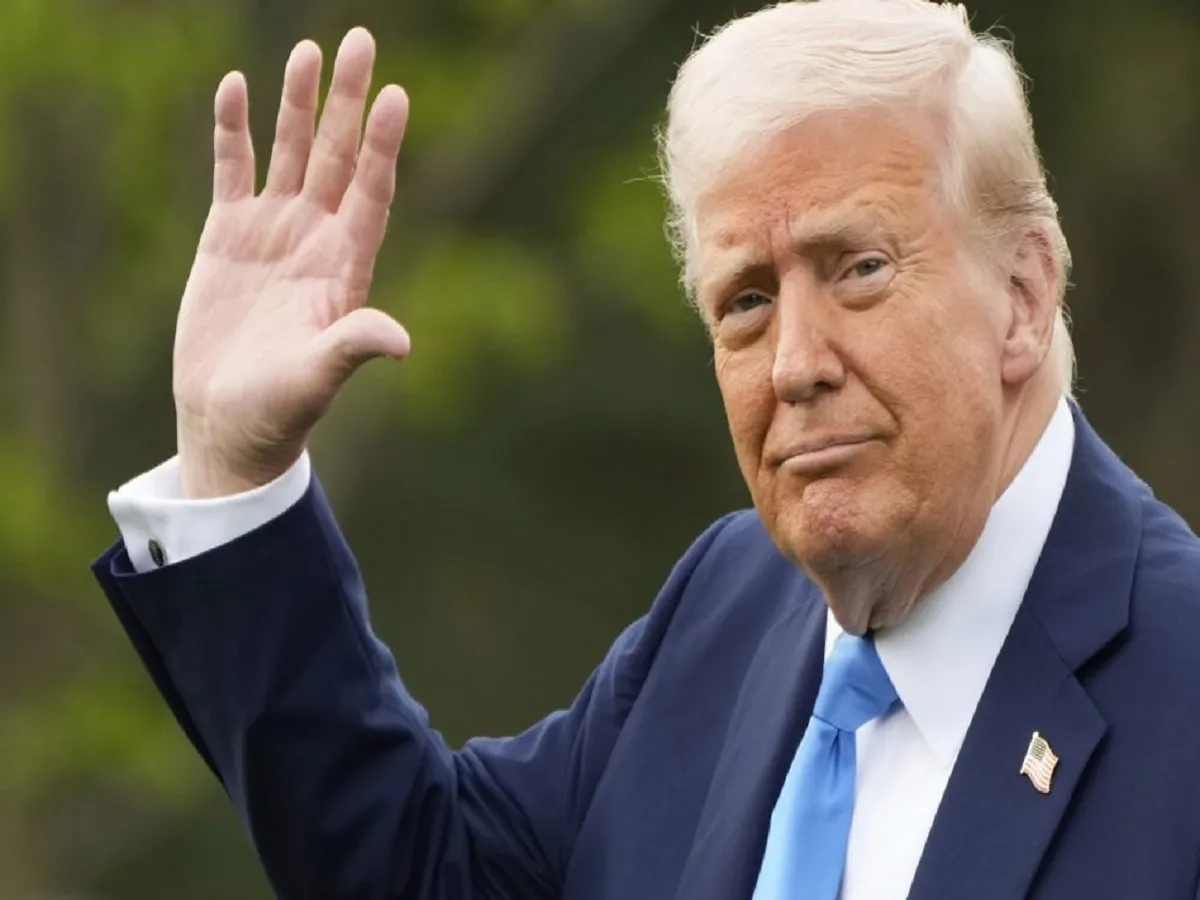
The Political Flashpoint: US President Donald Trump publicly declared that the United States required enriched uranium at all costs. With Tehran flatly refusing to concede its enriched nuclear stockpiles, diplomatic negotiations stalled, clearing the path for military friction in the Gulf.
4. The Domino Effect: Israel Launches Massive Offensive in Lebanon
Taking advantage of the sudden geopolitical chaos between Washington and Tehran, Israel has aggressively expanded the theater of war.
Immediately following the Gulf strikes, Israeli Prime Minister Benjamin Netanyahu formally authorized a massive, pre-planned military campaign targeting Hezbollah positions inside neighboring Lebanon.
As a core member of the Iran-led Axis of Resistance, Hezbollah's extensive networks in Lebanon are now facing heavy bombardment, raising international fears of a multi-front, uncontainable regional war.