LIFESTYLE
Monsoon Veggie Alert: Hidden Insects in Cabbage Can Harm Your Health – Here’s How to Clean It Safely
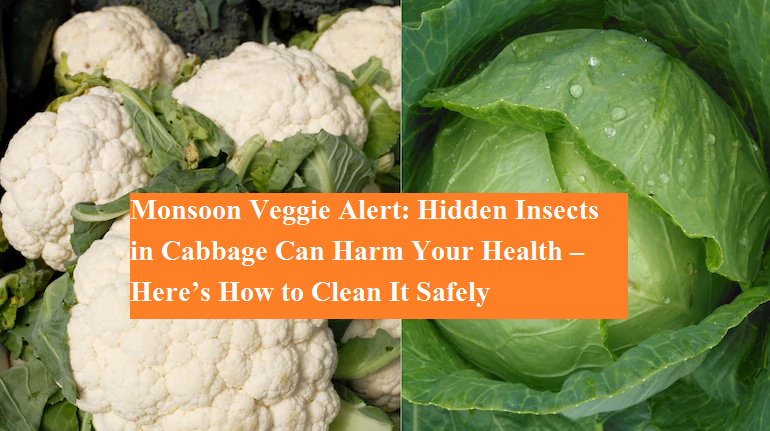
The monsoon season may bring lush greenery and a cool breeze, but it also brings an increased risk of foodborne illnesses—especially through leafy vegetables like cabbage and cauliflower. These seemingly clean veggies can become breeding grounds for insects, fungus, and bacteria due to the humid and damp conditions during the rainy months. If not cleaned properly before cooking, they can lead to serious health problems like stomach pain, vomiting, or even food poisoning.
Here's why you should be cautious—and how to clean cabbage and cauliflower the right way to stay safe this monsoon.
Why Monsoon Veggies Can Be Risky
During the monsoon, increased humidity creates the perfect environment for bacteria, worms, and fungal spores to multiply rapidly on vegetables. Cabbage and cauliflower, which are compact and layered, may appear clean from the outside but can harbor tiny insects deep within their folds. Washing them under running water might not be enough to remove these hidden threats.
Many people tend to rinse these veggies quickly before tossing them into the pan, but this shortcut can cost you your health. Even a small lapse in hygiene can lead to stomach infections, digestive issues, or food-borne diseases.
Safe Cleaning Methods for Cabbage and Cauliflower
To avoid health risks, thorough cleaning is essential. Here are some simple yet effective home remedies to clean these vegetables properly:
1. Salt and Turmeric in Hot Water
Cut the cabbage or cauliflower into small florets. Fill a bowl with warm water and add one teaspoon each of salt and turmeric. Soak the vegetable pieces in this solution for 15–20 minutes. Salt helps kill germs, and turmeric acts as a natural disinfectant, forcing hidden insects and bacteria out of the vegetable.
2. Use Vinegar or Lemon Juice
Vinegar is a natural cleaning agent. Add 1–2 tablespoons of vinegar to a bowl of water and soak the vegetable pieces for 10–15 minutes. Alternatively, you can use lemon juice or even a pinch of baking soda for added effectiveness. This helps eliminate bacteria, fungal spores, and any pests hiding inside.
3. Ice Water Bath
For a quick cleanse, fill a bowl with ice cubes and cold water. Add the chopped florets and let them sit for about 10 minutes. The cold temperature causes insects to stiffen and float to the surface, making them easy to remove.
4. Try Market-Ready Vegetable Cleaners
Many brands now offer vegetable and fruit sanitizers specifically designed to remove chemical residues, bacteria, and pests. These cleaners can be especially useful during the monsoon when the risk of infection is higher. Just follow the product instructions for safe use.
Don’t Just Rinse—Clean Thoroughly
One of the biggest mistakes people make is simply rinsing cabbage or cauliflower under tap water. Given their layered structure, insects can hide in between and survive even after quick washing. Always clean your veggies after chopping, and ensure each piece is soaked and disinfected using one of the above methods.
Avoid Stomach Ailments with Simple Precautions
Consuming contaminated vegetables can lead to a range of digestive issues—from mild stomach aches to severe infections requiring medical attention. Prevention is better than cure, especially during the monsoon. Cleaning vegetables thoroughly is a small step that can protect your entire family from unnecessary health risks.
Enjoy Your Favorite Veggies Without Worry
Cabbage and cauliflower are delicious and nutritious additions to your meals. With these easy and effective cleaning hacks, you can enjoy your favorite dishes without compromising your health. So the next time you’re prepping veggies during the rainy season, don’t skip the cleaning steps—your gut will thank you!