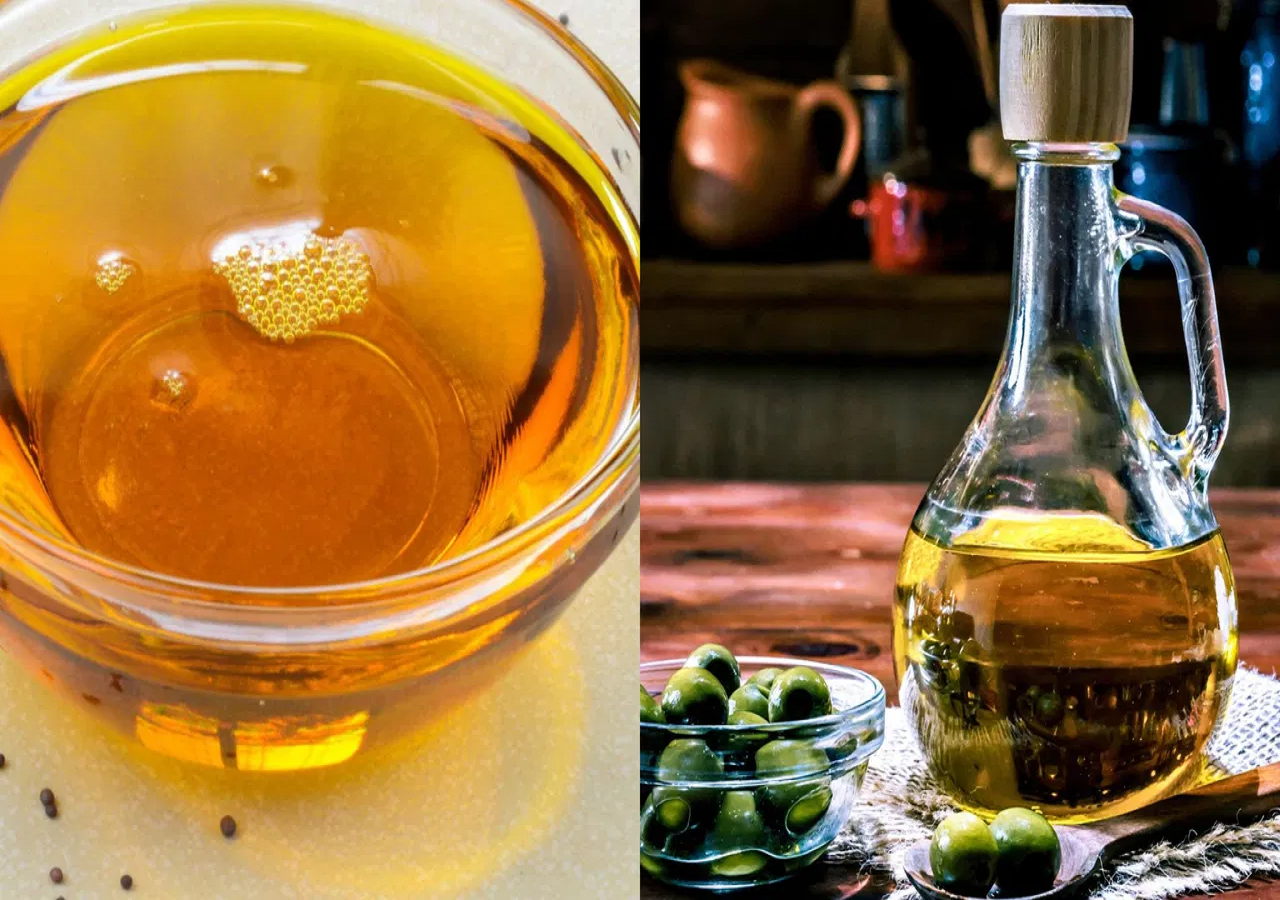
Mustard oil is a staple in Indian kitchens and is valued not only for its taste but also for its health benefits. From everyday cooking to pickles and parathas, its use is deeply rooted in Indian households. However, finding pure mustard oil in urban markets has become increasingly difficult, as large-scale adulteration is now a serious concern.
While pure mustard oil is rich in vitamin E, omega-3 and omega-6 fatty acids, and has natural antibacterial and antifungal properties, adulterated oil can pose serious health risks. Knowing how to identify purity is therefore essential for every household.
What is mustard oil commonly adulterated with?
According to the Food Safety and Standards Authority of India (FSSAI), mustard oil is often mixed with:
-
Argemone oil (highly toxic)
-
Palm oil
-
Mineral oil
-
Karanja oil
-
Artificial colouring agents
In several inspections, nearly 33% of mustard oil samples were found to be adulterated, highlighting the seriousness of the issue.
Identify adulterated mustard oil using smell and taste
Pure mustard oil has a strong, sharp, and pungent aroma with a slightly warming taste. If the oil smells weak, neutral, or overly refined, it may be mixed with cheaper oils.
Palm rubbing test
Take a few drops of mustard oil in your palm and rub both hands together.
-
Pure oil releases a strong aroma that lingers
-
Adulterated oil loses its smell quickly or smells unnatural
Refrigerator test
Pour some oil into a bowl and keep it in the fridge for about 12 hours.
-
Pure mustard oil may thicken slightly
-
If the oil separates into layers or partially solidifies, it is likely adulterated
Check the color
Authentic mustard oil is usually dark yellow to golden in color.
-
Oil that looks too pale, very clear, or unusually dull may contain artificial colors or other oils
Why this matters
Regular consumption of adulterated mustard oil can lead to serious health problems, including digestive issues and long-term toxicity. A few simple checks at home can help protect your family’s health.
Stay alert, eat safe
Adulteration is a growing problem, especially in city markets. Being informed and cautious is the best way to ensure the oil you use daily is pure and safe.