LIFESTYLE
National Doctors’ Day: How AI Is Transforming Healthcare While Doctors Remain at the Heart of Patient Care
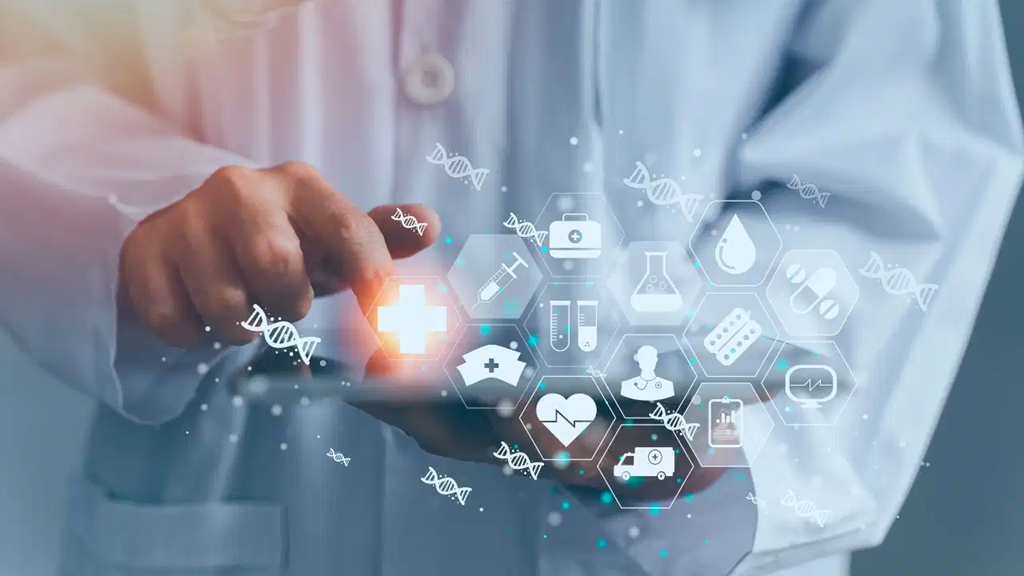
Artificial intelligence (AI), machine learning, and digital health technologies are reshaping healthcare across the world. From analyzing medical scans to assisting with treatment planning, these technologies are helping hospitals improve efficiency and accuracy. However, healthcare experts emphasize that while AI is becoming an important support tool, it cannot replace the expertise, judgment, and compassion of doctors.
AI Is Helping Doctors Make Faster Decisions
The use of AI-powered tools has grown rapidly in recent years. Today, hospitals use these technologies to assist in reviewing X-rays, CT scans, and MRI images, helping detect abnormalities more quickly and supporting earlier diagnosis of diseases.
Experts say AI enhances medical decision-making by providing accurate data and analysis, allowing doctors to focus on delivering the best possible care.
Digital Healthcare Is Improving Patient Care
The adoption of digital healthcare systems has streamlined many routine tasks. Electronic health records, digital prescriptions, and automated reporting systems reduce paperwork, giving doctors more time to interact with patients and improve the overall quality of care.
Telemedicine Has Expanded Access to Healthcare
Telemedicine has become another major advancement in healthcare. Video consultations now allow patients, particularly those living in remote or underserved areas, to consult specialists without traveling long distances.
This has made expert medical advice more accessible and convenient for many people.
Doctors Are Taking on New Roles
Technology has expanded—not reduced—the responsibilities of doctors. Along with diagnosing and treating illnesses, healthcare professionals are increasingly using digital tools and health data to:
- Identify diseases at an early stage
- Support preventive healthcare
- Monitor patients more effectively
- Develop personalized treatment plans
AI and predictive analytics are becoming valuable tools that complement clinical expertise.
Data Privacy and Human Judgment Remain Essential
As healthcare becomes more digital, experts highlight the importance of protecting patient privacy and ensuring data security. Questions about the reliability of AI-generated recommendations also continue to be discussed.
Medical professionals stress that while AI can assist in decision-making, the final responsibility for diagnosis and treatment should always remain with qualified doctors.
Technology Cannot Replace Human Compassion
Healthcare is about more than reports and test results. Patients often need reassurance, empathy, and clear communication during difficult times—qualities that technology cannot fully provide.
While AI can analyze medical information and generate insights, doctors continue to play a vital role in understanding patients' concerns, explaining treatment options, and offering emotional support throughout the healing process.
The Future of Medicine
As AI becomes more integrated into healthcare, future doctors will need both strong medical knowledge and an understanding of digital technologies and data-driven healthcare systems. Medical education is increasingly incorporating AI and digital health concepts to prepare the next generation of healthcare professionals.
The Bottom Line
Artificial intelligence is changing the way healthcare is delivered by improving efficiency, supporting early diagnosis, and assisting with clinical decisions. However, experts agree that technology is a tool—not a replacement for doctors. The future of healthcare will depend on combining advanced technology with the experience, judgment, and compassion that only medical professionals can provide.