BUSINESS
New Government Scheme Could Change How Foodgrains Reach You: What SARTHAK-PDS Means for Ration Card Holders
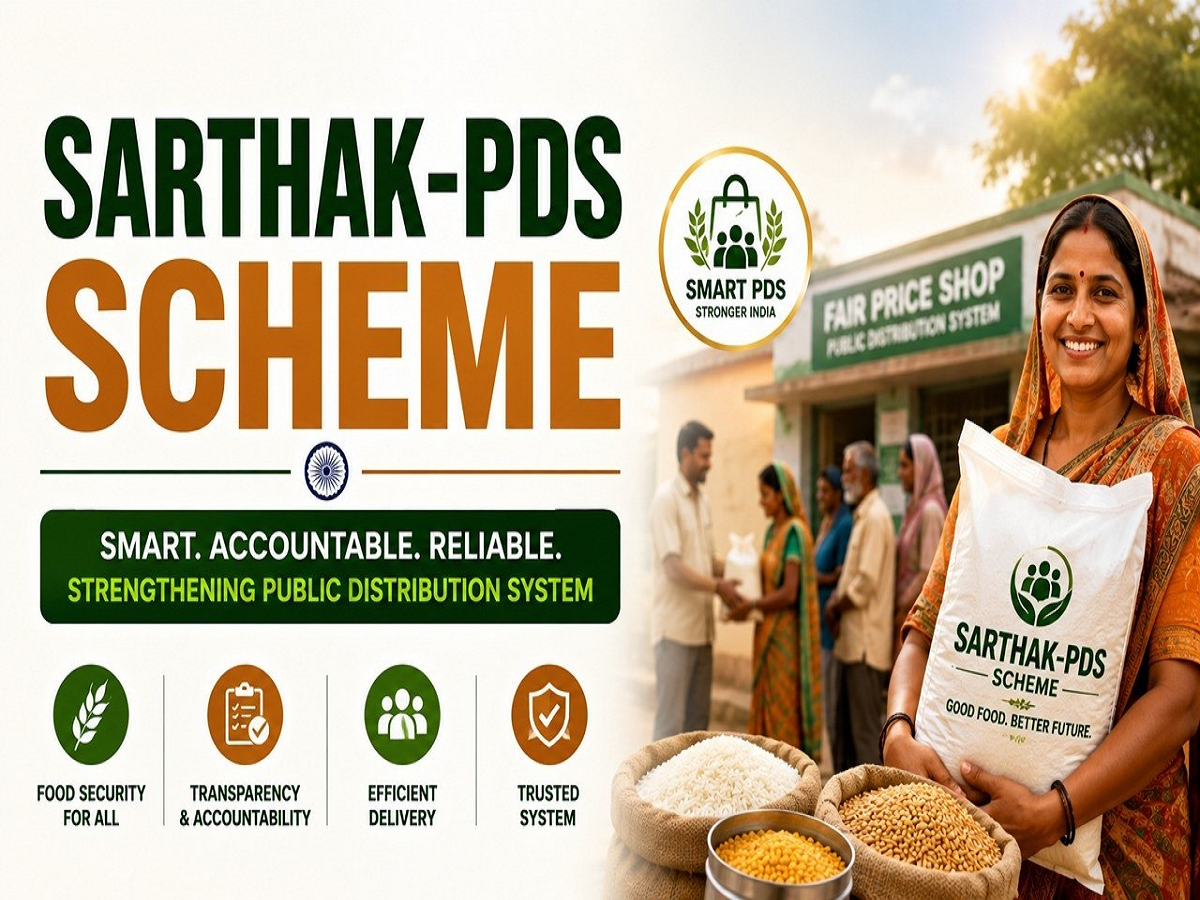
The government has introduced a new initiative aimed at improving the country's Public Distribution System (PDS). The SARTHAK-PDS scheme is designed to strengthen foodgrain distribution infrastructure and make the system more efficient for beneficiaries.
The initiative is particularly important for ration card holders because the Public Distribution System plays a major role in providing subsidised foodgrains to eligible households. The government approved SARTHAK-PDS in May 2026 with a dedicated budget allocation.
What Is SARTHAK-PDS?
SARTHAK-PDS is focused on strengthening the infrastructure used to store, transport and distribute foodgrains through the public distribution network.
The objective is to make the supply chain more efficient so that foodgrains can move more effectively from procurement and storage points to beneficiaries.
Why Is Better PDS Infrastructure Important?
The PDS involves several stages before foodgrains reach a ration shop. Food has to be procured, stored, transported and finally distributed to eligible beneficiaries.
Weak infrastructure at any stage can create delays, wastage or difficulties in maintaining an uninterrupted supply.
The new initiative aims to address these infrastructure-related challenges and improve the overall efficiency of the distribution network.
What Could It Mean for Ration Card Holders?
For ordinary beneficiaries, the impact is expected to be indirect but important.
Better storage and transportation infrastructure could help reduce supply disruptions and improve the availability of foodgrains at distribution points.
However, SARTHAK-PDS should not be confused with a new ration card scheme or a direct cash-benefit programme. Its primary focus is on strengthening the infrastructure behind the existing foodgrain distribution system.
Will Existing Ration Cards Change?
The introduction of SARTHAK-PDS does not mean that existing ration cards automatically need to be replaced.
Beneficiaries should continue following the instructions issued by their state food and civil supplies department regarding ration cards, e-KYC and other requirements.
If any changes are required in your state, rely on official government notifications rather than messages circulating on social media.
Technology Can Make Distribution More Efficient
Modernisation of the PDS increasingly involves technology and digital systems that can improve transparency and tracking.
Better infrastructure combined with digital monitoring can help authorities track the movement of foodgrains and identify potential problems in the supply chain.
This can ultimately make the distribution process more reliable for beneficiaries.
What Should Ration Card Holders Do?
There is no need to take any immediate action simply because SARTHAK-PDS has been introduced.
However, ration card holders should keep their details updated and complete any mandatory e-KYC or verification requirements communicated by their state authorities.
They should also regularly check official announcements from their state's food and civil supplies department for changes affecting ration distribution.
Why This Update Matters
The PDS serves millions of households across India, so improvements in its underlying infrastructure can have a direct impact on the reliability of foodgrain distribution.
SARTHAK-PDS represents a government push to strengthen that infrastructure rather than simply introducing another benefit for consumers. If implemented effectively, the initiative could help make the journey from foodgrain storage to the ration shop more efficient and dependable.