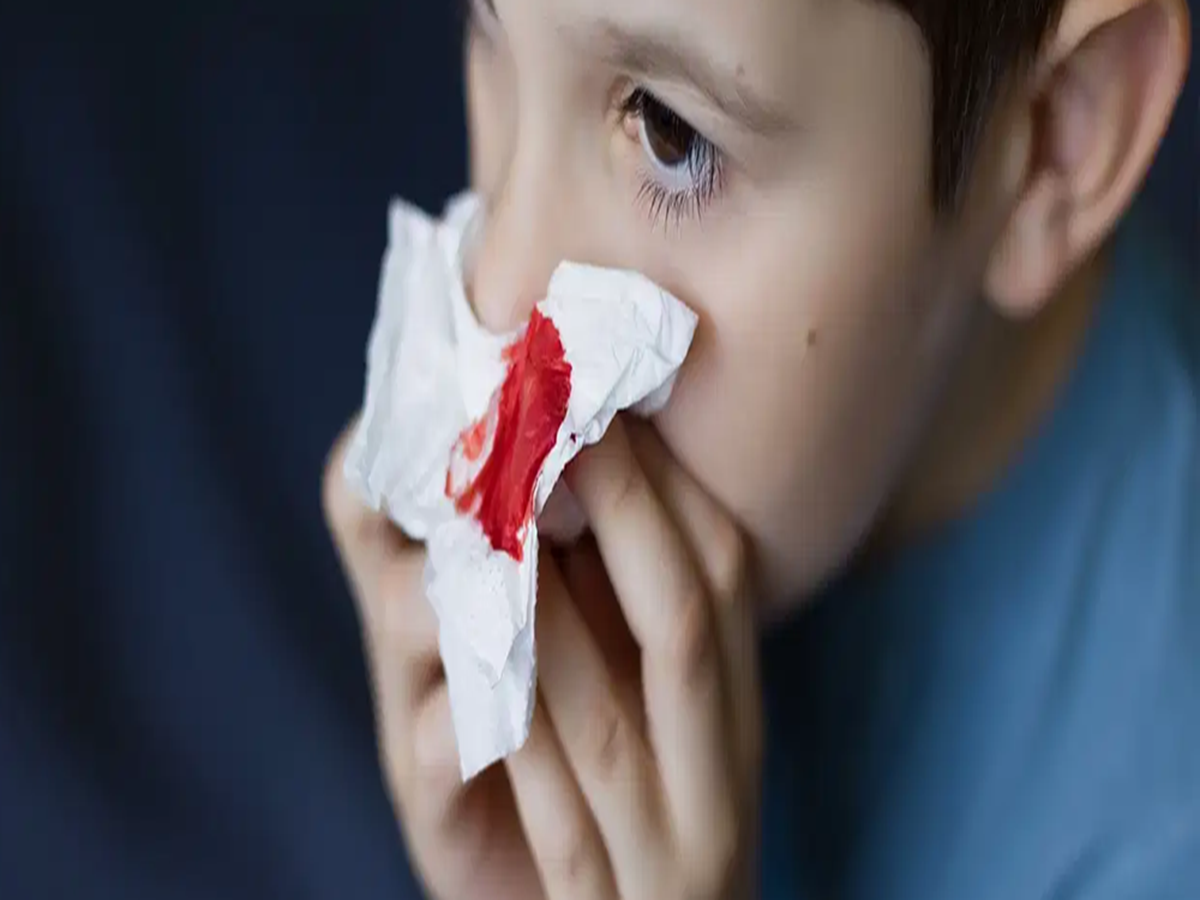
A sudden nosebleed can be alarming, but experts say there is usually no reason to panic. Known medically as epistaxis, nosebleeds are common in both children and adults and can often be managed safely at home with the right first-aid measures.
According to Dr. Mansi Nigam, Consultant Physician at Kailash Deepak Hospital, most nosebleeds are not medical emergencies. However, knowing what to do—and what to avoid—can help stop the bleeding quickly and reduce the risk of complications.
Why Do Nosebleeds Happen?
The inside of the nose contains many tiny blood vessels that can break easily, leading to bleeding. Common causes include:
-
Dry air
-
Minor injuries to the nose
-
Allergies
-
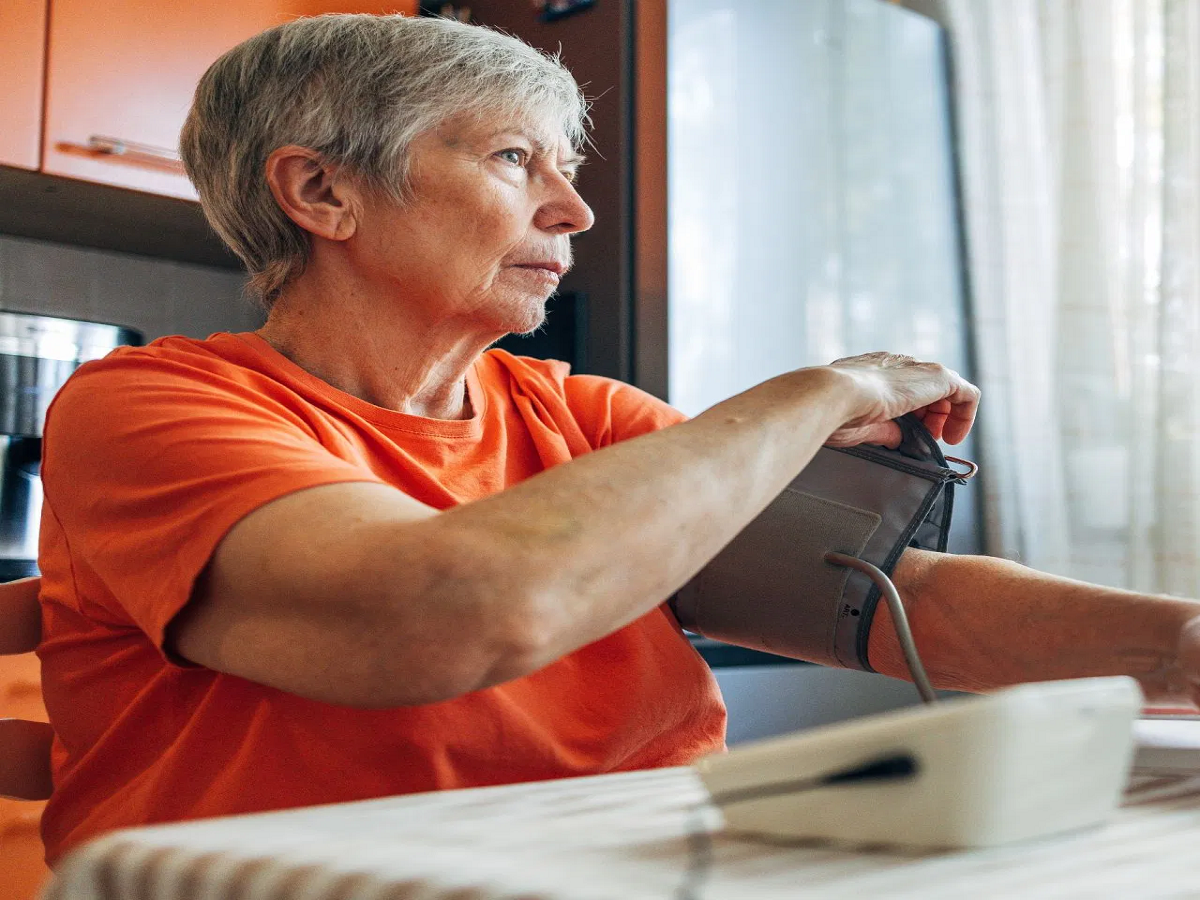
High blood pressure
-
Frequent nose picking or irritation
Most nosebleeds begin in the front part of the nose, where these delicate blood vessels are located.
What You Should Never Do
A common mistake is tilting the head backward during a nosebleed. Experts advise against this because it allows blood to flow down the throat, which can cause coughing, nausea, or vomiting if swallowed.
It's also important not to keep checking whether the bleeding has stopped by repeatedly releasing pressure on the nose, as this can disrupt the clot that is trying to form.
What to Do Instead
If a nosebleed starts:
-
Sit upright and lean slightly forward.
-
Using your thumb and index finger, firmly pinch the soft part of your nose just below the nasal bone.
-
Maintain steady pressure for 10 to 15 minutes without releasing it.
-
Apply a cold compress wrapped in a cloth to the bridge of the nose or cheeks, if available, to help reduce bleeding.
The key is to keep continuous pressure on the nose until the bleeding stops.
After the Bleeding Stops
Once the bleeding has stopped, avoid anything that could disturb the healing blood clot for the next several hours. This includes:
-
Blowing your nose forcefully
-
Picking or rubbing the inside of your nose
-
Inserting tissues or other objects deep into the nostrils
-
Heavy lifting or strenuous physical activity
Giving the clot enough time to settle can help prevent the bleeding from starting again.
When to Seek Medical Help
While most nosebleeds can be treated at home, medical attention is necessary if the bleeding continues despite applying pressure, is unusually heavy, or keeps recurring. A healthcare professional can identify the underlying cause and provide appropriate treatment if needed.