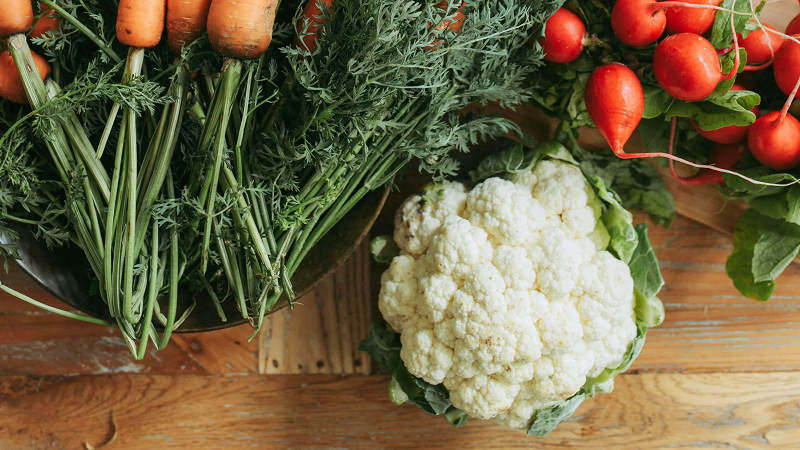
Vegetables are now easily available throughout the year, but that doesn’t always mean they are equally healthy in every season. Cauliflower, a vegetable traditionally associated with winter, is a good example. While people enjoy cauliflower sabzi, parathas, and curries during cold months, its growing availability in summer and monsoon raises an important question — is off-season cauliflower as safe and nutritious as seasonal produce?
Experts believe the answer is no. Vegetables grown in their natural season are not only richer in nutrients but are also easier for the body to digest. Consuming them out of season may have certain health risks, especially when eaten frequently.
What do nutrition experts say?
Holistic dietitian and integrative therapeutic nutritionist Dr. Geetika Chopra explains that nutrition depends not only on what we eat, but also when we eat it. Cauliflower is naturally a winter vegetable and offers several health benefits during that season. However, eating it regularly in the off-season can be harmful.
Why off-season cauliflower can be risky
According to dietitians, the biggest concern with off-season cauliflower is chemical exposure. Growing cauliflower outside its natural season often requires excessive use of pesticides, insecticides, and growth regulators. Because of its floret structure, cauliflower easily absorbs and traps these chemicals, increasing the risk of toxicity.
Possible health disadvantages
Long-term consumption of off-season cauliflower may lead to liver stress or damage. Experts also warn that it can contribute to hormonal imbalance and irritation in the gut, especially if eaten daily during summer or monsoon.
Who should be extra cautious?
Cauliflower contains sulfur compounds and complex fiber, which can aggravate digestive issues. People suffering from IBS, acidity, bloating, or gas may experience worsening symptoms if they consume cauliflower in the off-season.
Additionally, off-season cauliflower does not offer the same nutritional value as naturally grown winter cauliflower. While it may still provide calories and fiber, the levels of antioxidants and essential micronutrients are significantly reduced.