LIFESTYLE
Offbeat: Why didn't Draupadi step forward to stop the catastrophe of Kurukshetra? Learn the mysterious reasons behind it
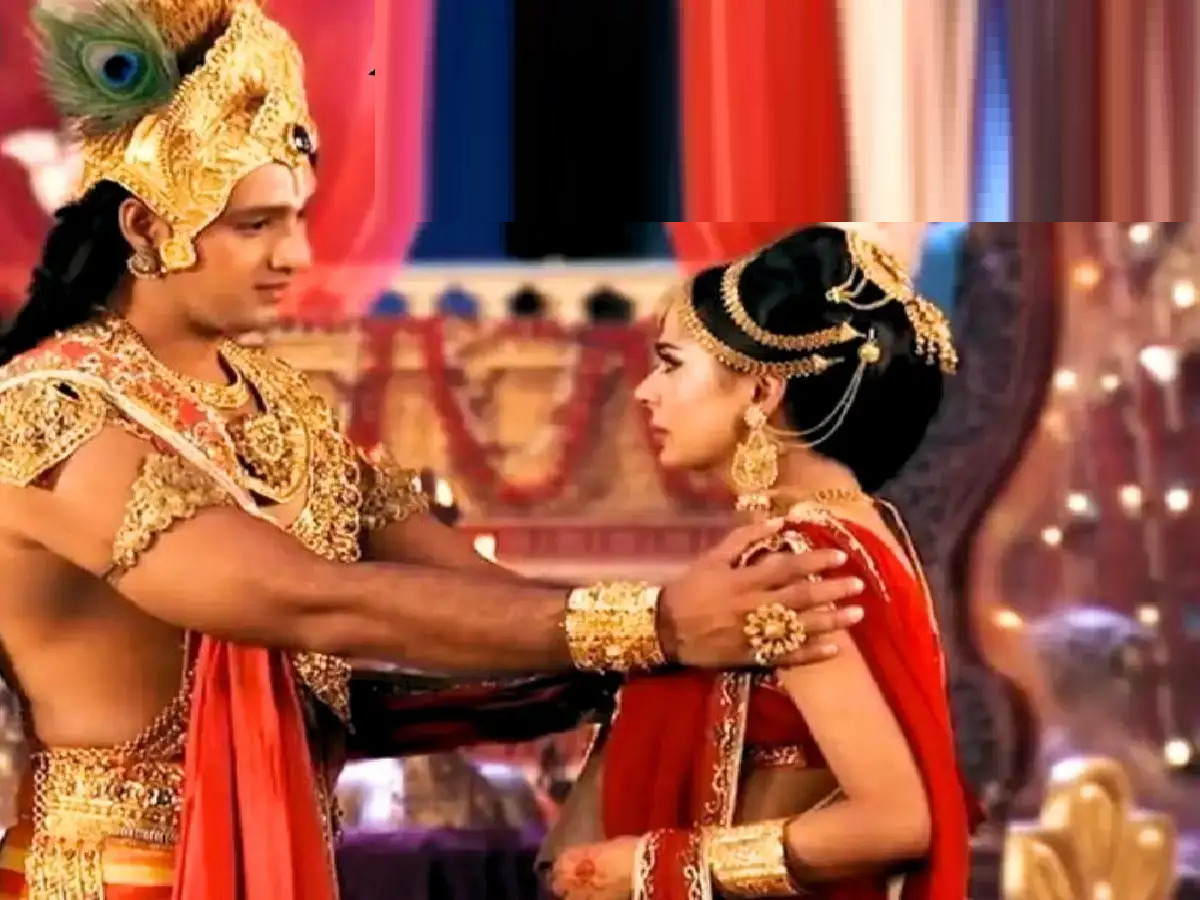
Draupadi's character in the Mahabharata is not merely that of a victimized woman, but also a symbol of self-respect and righteousness. The question often arises: why didn't Draupadi take the initiative to stop a war that was about to lead to the deaths of millions? If she knew that the battle of Kurukshetra could take the lives of her own people, why did she remain silent? To understand this question, it is important to examine Draupadi's character as well as the entire conflict of the Mahabharata, which gradually escalated beyond personal insults.
Years of humiliation and accumulated resentment—
Draupadi's anger wasn't the result of a single incident. Disrobing in the gambling hall, 12 years of exile, and a year of incognito—all these hardships had instilled within her a deep resentment against injustice. She understood that all avenues for a peace agreement with the Kauravas were closed.
The battle of Kurukshetra was not merely a personal vendetta.
The Kurukshetra War was not merely about revenge for Draupadi's humiliation. Over time, this conflict became intertwined with larger questions of state, power, vows, political alliances, and righteousness. It became a battle for the restoration of righteousness throughout society.
Krishna could show the way, not impose a decision.
Krishna could show the Pandavas the right path, but he could not impose a decision on anyone. Similarly, Draupadi could inspire the Pandavas, but she could not single-handedly change the political decisions of an entire dynasty.
Justice Remains Unfulfilled Even After Victory
The greatest irony of the Mahabharata is that Draupadi, despite the Pandavas' victory in the war, was not truly blessed. This victory for the upholding of righteousness was transformed into the deepest sorrow of her life when Ashwatthama killed her five sons (the Upapandavas) while they were asleep.
PC: Hello