Polycystic ovary disease is a common hormonal problem in women. It causes small cysts (lump-like sacs) to form in the ovaries, disrupting ovulation. This can lead to a variety of problems for women. This condition increases the levels of male hormones in the body, causing menstrual irregularities and other problems. PCOS is considered a more serious condition, while PCOD is a more common and manageable condition. While symptoms may be similar, PCOS is more common and associated with hormonal imbalances and metabolic problems.
Causes of PCOD: The exact cause of PCOD is not known, but the following are considered to be the main causes – hormonal imbalance, insulin resistance, genetic reasons, increasing obesity, persistent stress and anxiety, irregular routine, eating junk food or fast food and excessive oily food, lack of physical activity etc.
Major symptoms of PCOD: Some menstrual symptoms are irregular periods, periods never coming on time, absence of menstruation for several months, which causes worry to the woman, excessive or very less bleeding.
Body related symptoms: Weight gain, appearance of obesity, accumulation of fat around the stomach, appearance of a large stomach, frequent occurrence of acne on the face, oily skin, dark skin on the neck or armpits.
Hair-related symptoms: Excessive facial or body hair, thinning or loss of scalp hair.
Fertility problems: Difficulty getting pregnant or not getting pregnant, lack of ovulation.
PCOD tests: The doctor may recommend the following tests – sonography, hormonal tests, blood sugar tests, thyroid tests, lipid profiles, etc.
Possible complications of PCOD: If left untreated, women may be at risk of diabetes, high blood pressure, infertility, obesity, mental stress and depression, increased risk of heart disease, etc.
Prevention and lifestyle in PCOD: Attention should be paid to diet, take more green vegetables and fruits, use sugar and refined flour as little as possible, avoid junk food or fast food, avoid eating in hotels and restaurants, drink enough water, do regular exercise, yoga and pranayam are also beneficial in this, keep the weight under control, do not let it increase.
Mental Health: Reduce stress, do not worry, get enough sleep, at least 7-8 hours of sleep is necessary.
Useful yoga poses for PCOD: Bhujangasana, Kapalabhati, Anulom-Vilom, Surya Namaskar, Mandukasana, etc.
Homeopathic treatment for PCOD: In homeopathy, medication is prescribed based on the patient's overall symptoms, mental state, and physical condition. The correct medication and appropriate potency should be selected by a qualified homeopathic physician. Do not self-medicate without medical advice. While there are many homeopathic remedies, each prescribed based on the condition, some are as follows:
Major Homeopathic Medicines: 1. Pulsatilla: Helps in regularizing irregular menstruation. Beneficial for people with emotional nature, useful in delay in periods, hormonal imbalance.
2. Sepia: Useful in fatigue and irritability, spots on the face, uterine weakness, hormonal problems.
3. Lachesis: Restlessness before periods, feeling hotter, more problems on the left side of the body.
4. Calcarea Carb: Helpful in obese and flabby patients, excessive sweating, feeling tired quickly, lethargy in the body.
5. Thuja: Tendency to form cysts, hormonal imbalance, persistent skin problems, etc.
6. Natrum Mur: Hormonal disturbances due to stress, headaches, irregular menstruation.
7. Apis: Swelling in the ovary area, pricking or burning pain.
Precautions for this condition: Do not take medication without medical advice. Taking medication based solely on internet advice or personal recommendations can be harmful. If excessive bleeding, severe pain, or prolonged periods are absent, a gynecologist should be consulted. Homeopathy can be very useful as a supportive treatment, but regular checkups and lifestyle modifications are also essential.
Conclusion: PCOD is a rapidly increasing hormonal problem among women today, but it can be largely controlled with proper diet, regular exercise, stress and obesity management, and appropriate treatment. Homeopathic treatment is considered helpful in providing relief based on individual symptoms. Only a qualified homeopathic physician should be consulted.
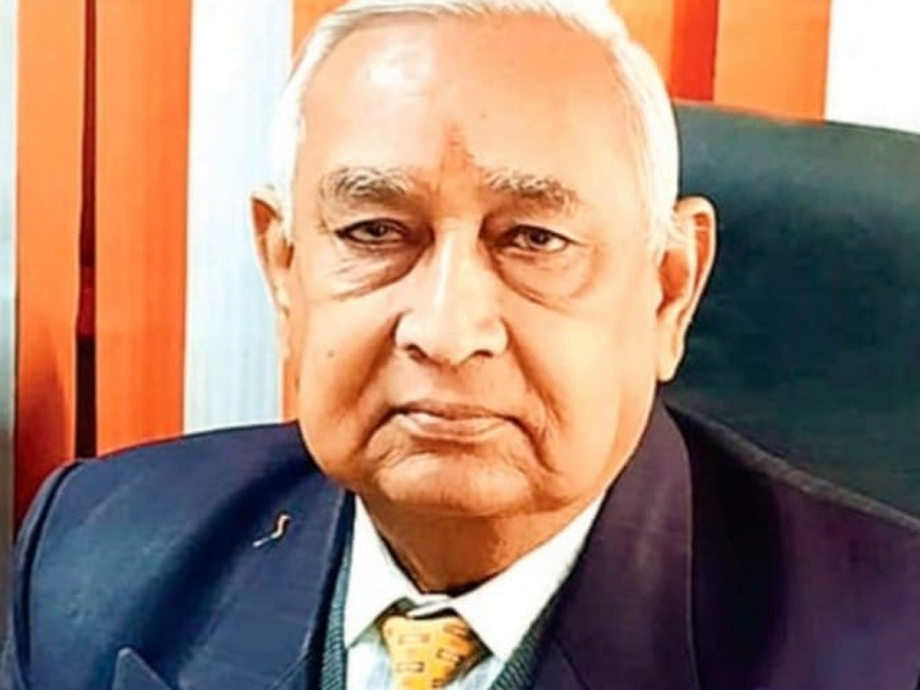
-Dr. M.L. Jain "Mani", internationally renowned senior homeopath and former academic member, Homeopathic University, Jaipur
PC: Samachar Jagat