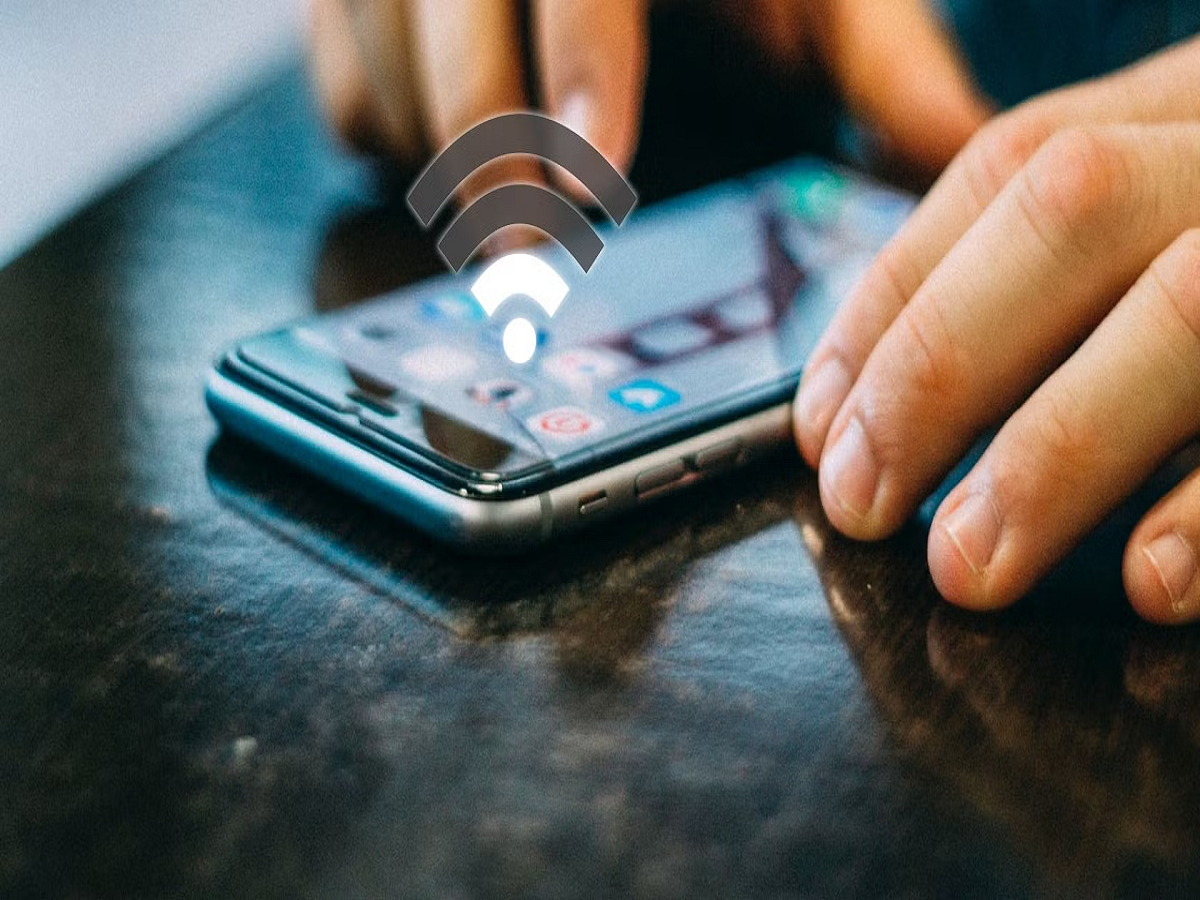
Seeing a 5G symbol on your smartphone usually creates an expectation of super-fast internet. But sometimes the phone displays 5G while Instagram videos keep buffering, websites load slowly and large files take surprisingly long to download.
Does this mean there is something wrong with your smartphone? Not necessarily.
The 5G icon primarily indicates that your phone is connected to, or has access to, a 5G network under conditions determined by the device and operator. It does not guarantee that you'll receive maximum 5G speeds every second.
Several factors can affect your actual internet performance.
1. Too Many People Are Using the Same Network
Mobile towers have limited network capacity.
In crowded locations such as railway stations, airports, shopping centres, markets, stadiums and busy residential areas, thousands of smartphones may simultaneously connect to nearby network infrastructure.
When network traffic becomes heavy, speeds can fall even though your phone continues displaying 5G.
This is why internet speeds can be excellent early in the morning but noticeably slower during peak hours.
2. Your 5G Signal May Not Be Strong Enough
The 5G logo alone doesn't tell you everything about signal quality.
Buildings, walls, elevators, basements and your distance from network infrastructure can affect reception. Moving just a short distance—such as going from an interior room to an open area—may sometimes change network performance.
If the internet is consistently slow only in a particular room or building, signal conditions could be responsible.
3. Your Phone May Switch Between 5G and 4G
Modern smartphones can move between different network technologies depending on coverage, operator configuration and device settings.
In areas where 5G coverage is inconsistent, the phone may repeatedly switch between 5G and 4G or use a combination of network technologies.
These transitions can occasionally affect the browsing experience even when a 5G indicator appears on the screen.
4. The Problem Could Be the App, Not Your Internet
If YouTube works smoothly but one social-media app loads slowly, your mobile network may not be the problem.
An app's servers can experience congestion or outages. The app itself may also have a temporary bug.
Try opening multiple websites or applications before concluding that your 5G connection is slow.
You can also close and reopen the affected app or check whether an update is available.
5. Background Downloads May Be Consuming Your Bandwidth
Your smartphone can use substantial amounts of data without anything obvious appearing on the screen.
Cloud photo backups, operating-system updates, app downloads, messaging-app backups and other synchronization processes can run in the background.
If a large backup or update is taking place, other internet activities may temporarily feel slower.
Check the phone's data-usage settings to see whether an app is consuming unusually large amounts of data.
6. Your Data Plan or Operator Policy May Matter
Having a 5G-compatible smartphone doesn't automatically mean every plan provides identical network access or performance.
Mobile operators may have different plans, fair-usage policies, network-management practices or eligibility requirements.
If your internet speed drops after heavy data usage, check the conditions of your mobile plan through your operator's official app or customer-support service.
7. Network Settings or Software Could Be Causing Trouble
Occasionally, connectivity problems can result from incorrect network settings, outdated software or a temporary modem issue.
A simple restart can sometimes restore normal connectivity.
You can also briefly enable and disable Airplane Mode to force the phone to reconnect to the mobile network.
Check for operating-system and carrier-related updates as well. Resetting network settings is another troubleshooting option, but remember that this may remove saved Wi-Fi networks and other connectivity preferences.