BUSINESS
PM Awas Yojana: Over 1.08 Crore Houses Yet to Be Built—Who Can Apply and How to Get the Benefit
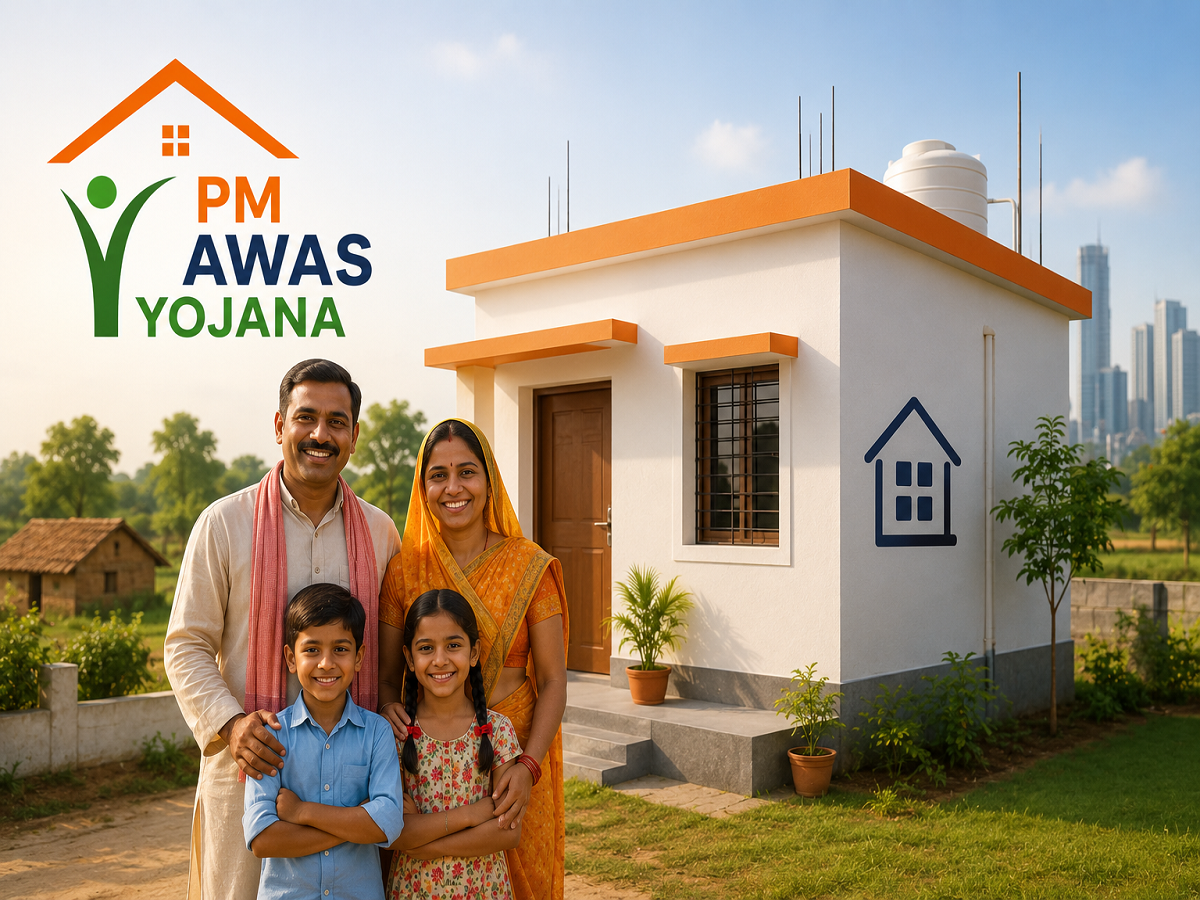
The Central Government has shared the latest progress of the Pradhan Mantri Awas Yojana (PMAY) in Parliament, highlighting that more than 1.08 crore rural houses are still to be constructed under the government's housing mission. The update also provides details on completed houses, beneficiary selection, eligibility criteria, and the application process for both rural and urban housing schemes.
The Pradhan Mantri Awas Yojana continues to be one of India's largest affordable housing initiatives, aimed at providing permanent homes to eligible families in rural and urban areas while ensuring access to basic civic amenities.
Latest Progress Under PM Awas Yojana
According to the government's latest status report, significant progress has been achieved under both rural and urban components of the scheme.
As of July 2026:
-
More than 3.10 crore houses have been completed under Pradhan Mantri Awas Yojana-Gramin (PMAY-G).
-
Over 99.07 lakh houses have been delivered under Pradhan Mantri Awas Yojana-Urban (PMAY-U).
Despite these achievements, the government indicated that a substantial number of approved houses are still awaiting construction.
More Than 1.08 Crore Rural Houses Still Pending
The government informed Parliament that against the target of 4.18 crore rural houses, approval has been granted for approximately 3.92 crore homes.
Out of these approved projects:
-
3.10 crore houses have already been completed.
-
Around 1.08 crore houses remain to be built under the existing allocation for states and Union Territories.
The Ministry of Rural Development stated that the Centre allocated ₹1,34,242.45 crore for PMAY-G between FY 2022 and FY 2026.
For FY 2026–27, an initial allocation of ₹41,924.60 crore has been provided, which may be revised depending on state-wise targets.
PMAY Offers More Than Just a House
The rural housing scheme is designed to provide comprehensive living support rather than simply constructing houses.
Government data shows that beneficiaries have also received access to several complementary welfare schemes.
As of July 16:
-
More than 3.08 crore houses have been provided with toilets.
-
Around 2.43 crore households have received tap water connections.
-
Electricity has reached approximately 3.07 crore homes.
-
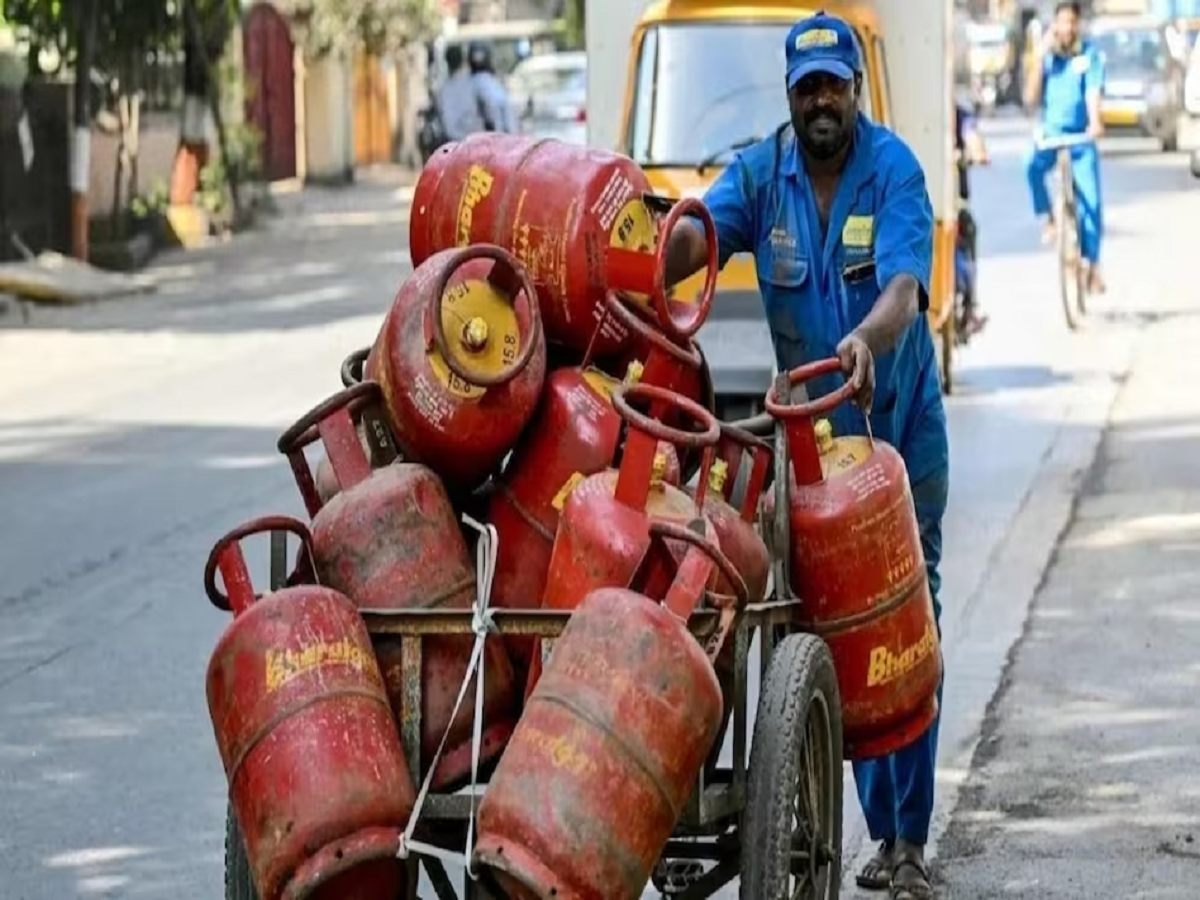
Nearly 2.90 crore families have received LPG connections.
-
Around 1.35 crore households have been linked with Self-Help Groups (SHGs).
Similarly, urban housing projects emphasize the development of supporting infrastructure such as roads, water supply, sanitation, and electricity.
How Are Beneficiaries Selected?
The selection process differs slightly for rural and urban housing schemes.
PMAY-Gramin (PMAY-G)
Eligible families in rural areas are identified through government surveys.
Authorities assess whether applicants:
-
Do not own a permanent house.
-
Meet the prescribed eligibility conditions.
-
Qualify under the official beneficiary selection criteria.
Once verified, eligible families are included in the beneficiary list.
PMAY-Urban (PMAY-U)
For urban housing, state governments and Union Territories first estimate local housing demand and prepare project proposals.
Applications are then scrutinized based on eligibility, supporting documents, and applicable scheme guidelines before approval is granted.
How to Apply for PMAY
For Rural Applicants (PMAY-G)
Eligible applicants should:
-
Visit the Gram Panchayat or Block Office.
-
Register during the Awaas+ survey, if it is being conducted in the area.
-
Submit Aadhaar, bank account details, and other required documents.
-
Wait for eligibility verification.
-
After approval, financial assistance is released directly to the beneficiary's bank account in instalments for house construction.
For Urban Applicants (PMAY-U 2.0)
Urban residents can apply by:
-
Visiting the official PMAY-U 2.0 portal or a nearby Common Service Centre (CSC).
-
Checking eligibility.
-
Completing the online application form.
-
Uploading Aadhaar, income proof, bank account details, and other required documents.
-
Tracking the application status online after submission.
How Long Does It Take to Build a House?
According to the Ministry of Housing and Urban Affairs, urban housing projects generally require 12 to 36 months for completion.
The timeline depends on factors such as:
-
Availability of land
-
Statutory approvals
-
Funding availability
-
Project size
-
Construction progress
The government has stated that regular review meetings, video conferences, and field inspections are conducted to monitor project implementation and ensure timely completion.
Who Can Benefit From PMAY?
Although eligibility varies between PMAY-G and PMAY-U, the schemes are broadly intended for families that lack adequate permanent housing and satisfy the prescribed criteria laid down by the government.
Applicants must successfully complete document verification and meet the eligibility conditions applicable to their category before receiving benefits.
Bottom Line
The latest government update shows that while over 3.10 crore rural houses and 99 lakh urban homes have already been completed under the Pradhan Mantri Awas Yojana, approximately 1.08 crore rural houses are still pending construction. Eligible families can apply through the appropriate rural or urban channels after meeting the prescribed criteria. Besides providing permanent housing, the scheme also integrates essential services such as electricity, sanitation, drinking water, LPG connections, and other welfare benefits to improve the overall quality of life for beneficiaries.