INTERNATIONAL
PM Modi’s Counterattack on ‘Dead Economy’ Claims: India Showcases Strength in Growth and Semiconductors

Prime Minister Narendra Modi on Tuesday used the stage of Semicon India 2025 to deliver a strong rebuttal to global criticism of India’s economy. The event, which also marked the launch of the country’s first Vikram chip, became a platform for Modi to send clear signals to both the United States and China while underlining India’s rising global influence in the semiconductor sector.
India’s Economic Growth Defies Global Challenges
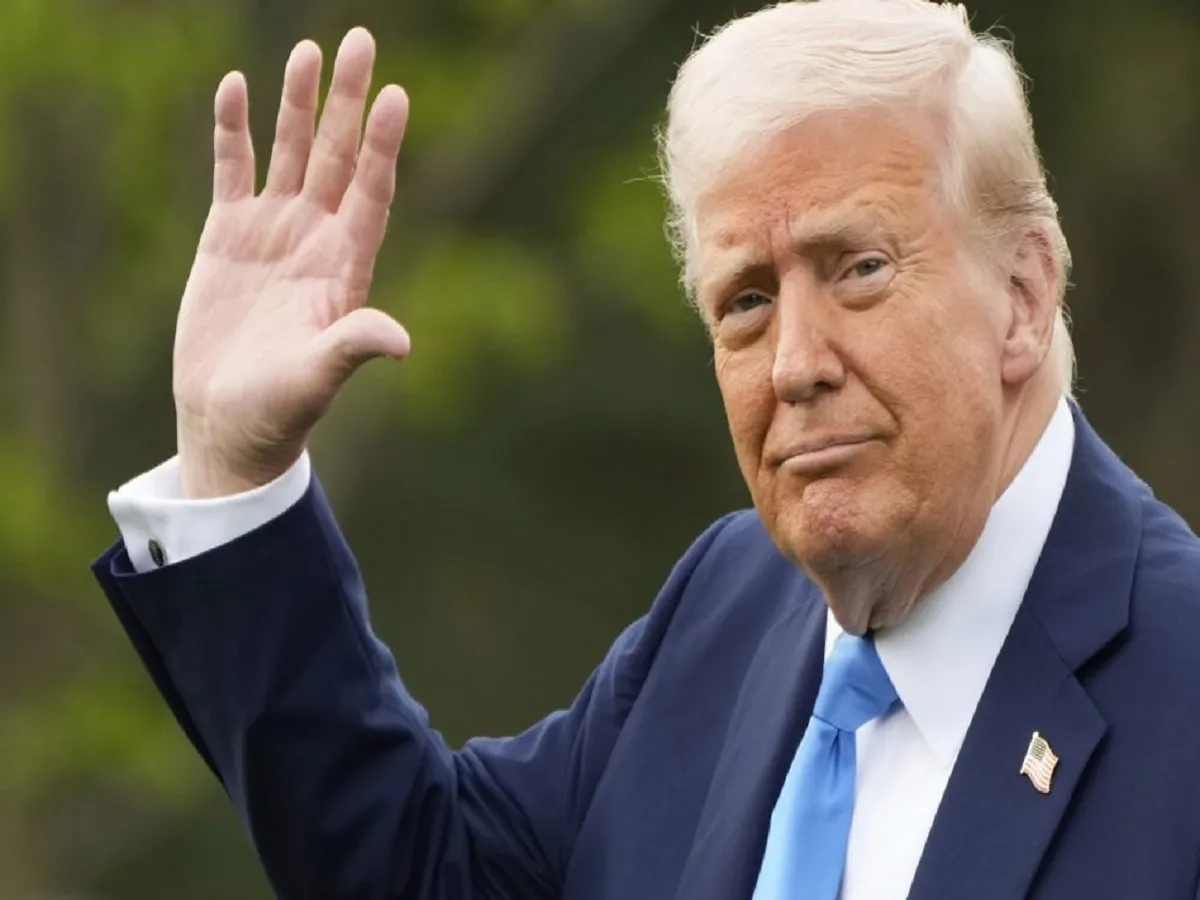
Addressing the conference, PM Modi dismissed the narrative of a “dead economy,” a phrase recently used by US President Donald Trump while announcing steep tariffs on Indian goods. Modi highlighted that India recorded 7.8% GDP growth in the April–June quarter of FY 2024-25, making it the world’s fastest-growing major economy.
“Despite global uncertainties and challenges driven by economic selfishness, India has exceeded every forecast and expectation,” he said. The Prime Minister emphasized that this growth was not limited to one sector but was visible across manufacturing, services, agriculture, and construction.
While the US registered 3.3% growth in the same period, India maintained a significant lead, leaving behind both America and China. Modi underlined that this pace is rapidly pushing India towards becoming the third-largest economy in the world.
A Subtle Yet Strong Response to Trump
The remarks came shortly after Trump imposed an additional 25% tariff on Indian exports, raising the total duty to 50% — the highest applied to any country except Brazil. Trump had claimed India’s economy was “dead,” but Modi countered by showcasing robust growth figures and renewed global investor confidence.
Trump’s sweeping tariff program, launched in January, has targeted countries with political differences with Washington. While the US administration argues that tariffs protect jobs and manufacturing, critics say they have caused widespread instability in global trade.
Hint of Major Economic Reforms
During his address, PM Modi also hinted at upcoming “next-generation reforms.” Though he did not reveal full details, he suggested that the Goods and Services Tax (GST) framework may undergo significant changes. The GST Council meeting scheduled for September 3 in New Delhi is expected to consider tax cuts on essential items ranging from shampoos and hybrid vehicles to consumer electronics.
India’s Big Leap in Semiconductors
The launch of India’s first Vikram chip was the highlight of the event. Modi described semiconductors as the “digital diamonds” of the 21st century, much like oil was considered “black gold” in the last century.
“Our semiconductor mission is not limited to chip manufacturing,” Modi said. “We are building a full ecosystem that will make India self-reliant and globally competitive. The day is not far when India’s smallest chip will power the world’s biggest change.”
He added that India is moving from being a backend player to becoming a full-stack semiconductor nation.
Global Semiconductor Race and India’s Role
The global semiconductor industry, currently valued at around $600 billion, is projected to surpass $1 trillion by 2030. Modi asserted that India is positioned to capture a substantial share of this market.
Industry estimates suggest that India’s semiconductor market will grow from $38 billion in 2023 to $45-50 billion in 2024-25, and more than $100 billion by 2030.
Taiwan currently dominates chip production, accounting for more than 60% of global output, including 90% of advanced chips. However, countries such as the US, Japan, South Korea, and the EU are investing heavily to reduce dependency. Modi stressed that India, with its expanding semiconductor ecosystem and international collaborations (including his recent visit to Japan’s Tokyo Electron Miyagi Ltd), is emerging as a strong contender in this strategic sector.
The Road Ahead
PM Modi’s statements not only countered Trump’s criticism but also sent a strong message to China, which has long dominated global electronics supply chains. By focusing on economic resilience, structural reforms, and semiconductor leadership, India is signaling its intent to play a decisive role in shaping the global economy of the 21st century.