LIFESTYLE
Pregnancy and Walking: Why a Daily Stroll Can Be One of the Best Habits for Expecting Mothers
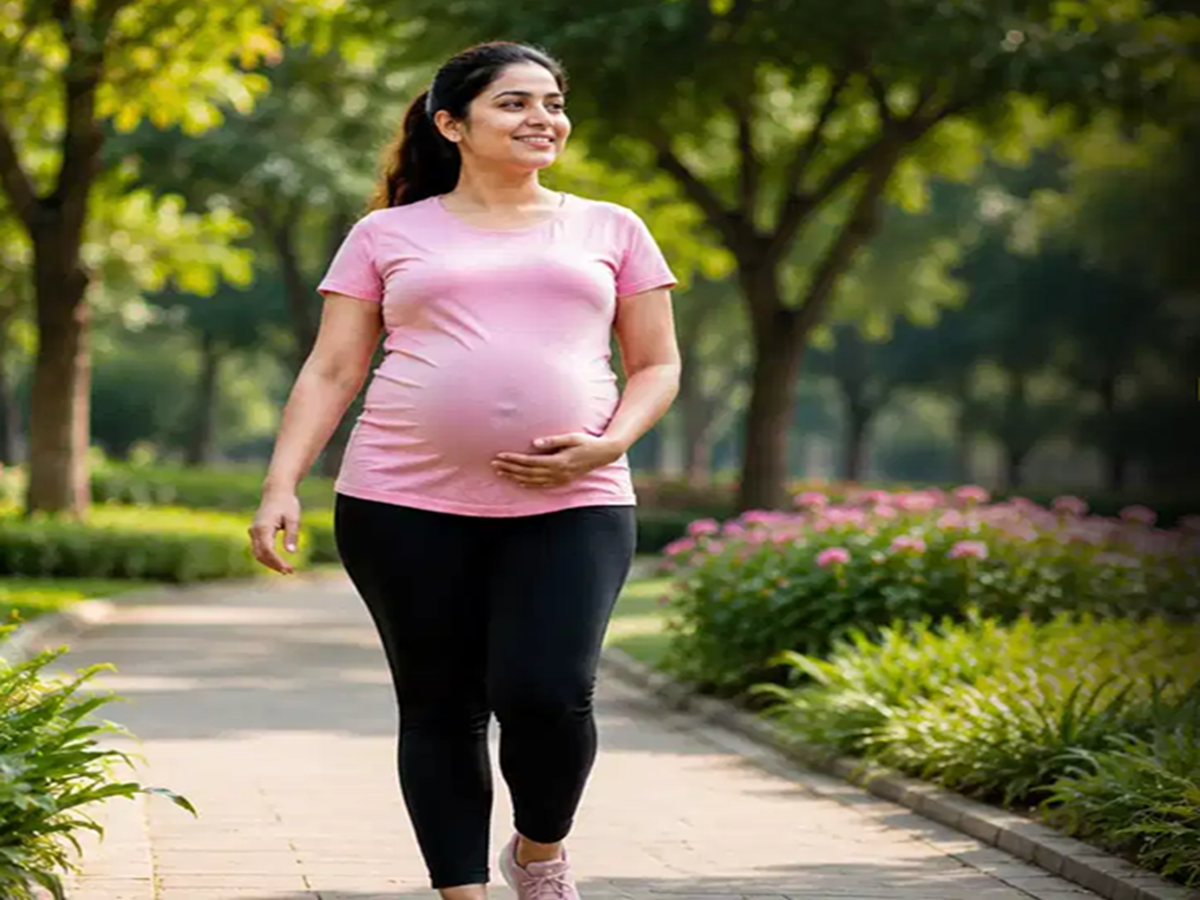
Pregnancy brings many physical and emotional changes, making it important for expectant mothers to take extra care of their health. While getting enough rest is essential, staying physically active is equally important during a healthy pregnancy. Many women wonder whether walking is safe or if they should avoid exercise altogether.
For most women with an uncomplicated pregnancy, a daily walk is considered one of the safest and easiest forms of exercise. When approved by a doctor, regular walking can support both maternal health and the baby's well-being throughout pregnancy.
1. Helps You Stay Active
As pregnancy progresses, daily activities may start to feel more tiring. A gentle walk helps keep the body moving, improves circulation, and supports muscle strength without putting excessive strain on the joints.
Staying active can also boost energy levels and make everyday tasks feel more manageable.
2. May Lower the Risk of Gestational Diabetes
Physical activity helps the body use insulin more effectively and supports healthy blood sugar levels. Regular walking during pregnancy may reduce the risk of developing gestational diabetes, especially when combined with a balanced diet and healthy lifestyle.
3. Supports Healthy Weight Gain
Weight gain is a natural and necessary part of pregnancy, but gaining significantly more than recommended may increase the risk of certain complications. Walking is a simple way to stay active and support healthy weight management throughout pregnancy.
4. Can Ease Back Pain and Body Stiffness
As the baby grows, extra weight can place additional pressure on the back, hips, and legs. A daily walk helps improve flexibility, maintain posture, and reduce stiffness, which may provide relief from common pregnancy-related aches and pains.
5. Helps Prepare the Body for Childbirth
Walking improves stamina and overall fitness, both of which can be beneficial during labour and delivery. Maintaining regular physical activity throughout pregnancy may also contribute to a smoother recovery after childbirth.
Who Should Speak to a Doctor Before Walking?
Although walking is safe for many pregnant women, it may not be suitable in every situation. Medical advice is important before starting or continuing an exercise routine if you have:
-
High blood pressure during pregnancy.
-
Significant anemia.
-
Heart or lung disease.
-
Persistent vaginal bleeding.
-
Placenta-related complications.
-
A high risk of preterm labour.
-
Certain twin or multiple pregnancies with complications.
Always follow the recommendations provided by your healthcare provider.
Stop Walking and Seek Medical Advice If You Notice These Symptoms
While walking, stop immediately and contact your doctor if you experience:
-
Vaginal bleeding.
-
Leakage of fluid.
-
Severe abdominal pain or contractions.
-
Chest pain.
-
Shortness of breath before exertion or worsening breathlessness.
-
Dizziness or fainting.
-
Reduced fetal movements after your healthcare provider has advised you to monitor them.
These symptoms require prompt medical evaluation.
Tips for Walking Safely During Pregnancy
To make walking comfortable and safe:
-
Wear supportive, comfortable footwear.
-
Choose loose, breathable clothing.
-
Walk at a comfortable pace instead of rushing.
-
Drink enough water before and after your walk.
-
Avoid walking during the hottest part of the day.
-
Prefer morning or evening walks when temperatures are lower.
-
Listen to your body and rest whenever needed.
The Bottom Line
For women with a healthy pregnancy, a daily walk can be a simple yet effective way to stay active, support healthy weight gain, improve circulation, and prepare the body for childbirth. However, every pregnancy is unique. Before beginning any exercise routine, consult your doctor to ensure it is appropriate for your individual health and pregnancy. If you notice any unusual symptoms while walking, stop immediately and seek medical advice.