LIFESTYLE
Pregnancy Care in Changing Weather: Essential Diet Tips and Precautions to Stay Safe from Seasonal Infections
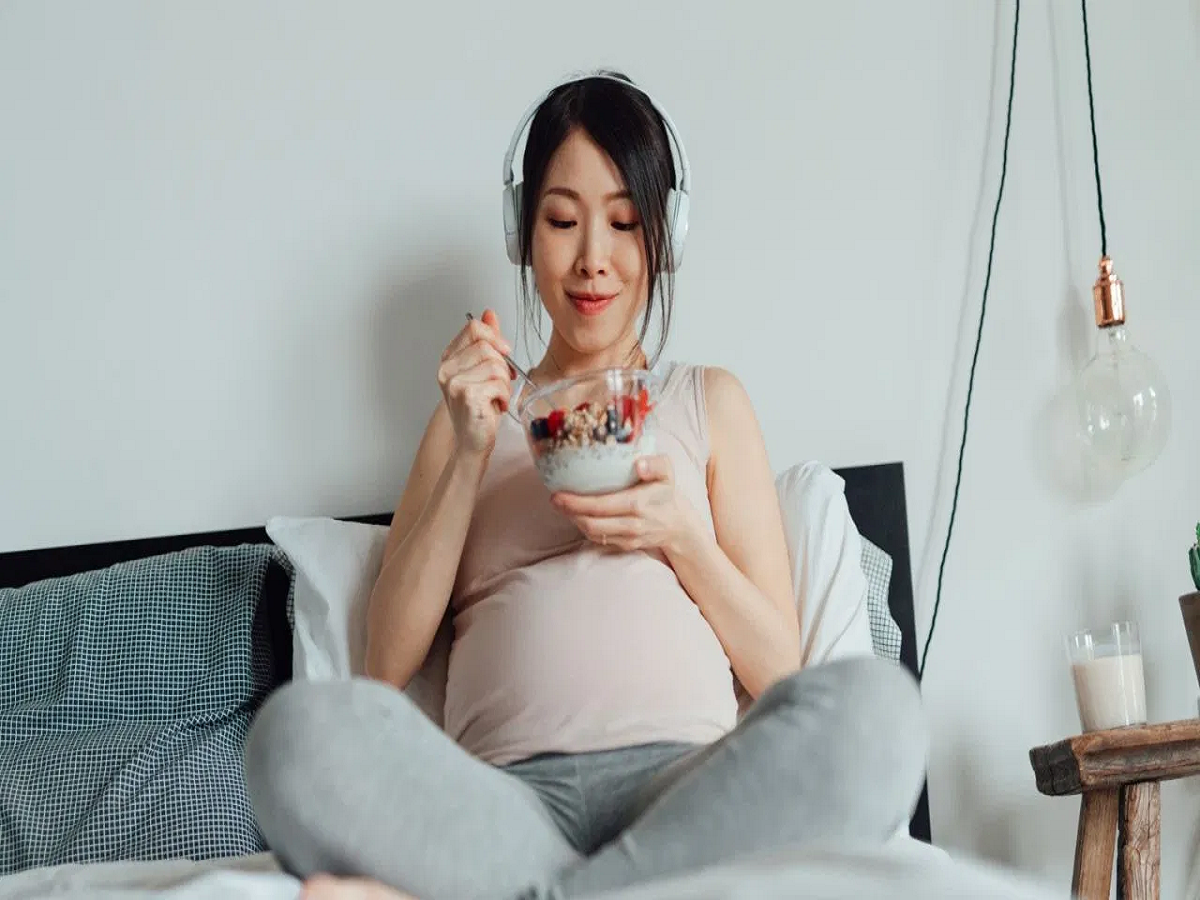
Pregnancy is a crucial phase when taking care of health becomes more important than ever. As November brings cooler mornings and evenings, changing weather conditions can increase the chances of seasonal illnesses. Fluctuating temperatures, occasional rainfall and increased mosquito activity can expose pregnant women to infections such as influenza, common cold, dengue and malaria.
During this period, maintaining proper hygiene, eating a balanced diet and getting sufficient rest are essential. Seasonal infections can sometimes lead to complications during pregnancy, making preventive care particularly important. Experts recommend following certain precautions to protect both the mother and the developing baby.
Why Are Seasonal Infections a Concern During Pregnancy?
According to Dr. Meera Pathak, MBBS, MS, a gynaecologist associated with Health Family Welfare, Uttar Pradesh, pregnancy brings changes to the body's immune system, which can make women more vulnerable to certain infections.
A seemingly common viral infection can sometimes become severe and lead to complications such as pneumonia or respiratory distress. Therefore, pregnant women should not ignore persistent symptoms or delay medical consultation.
Important Precautions Pregnant Women Should Follow
Maintaining personal hygiene and avoiding unnecessary exposure to infections can help reduce health risks. Some important precautions include:
-
Wash Your Hands Regularly: Clean your hands with soap and water, especially before eating, preparing food or touching your face.
-
Use Hand Sanitiser: Keep a sanitiser handy when travelling or visiting public places where washing facilities may not be available.
-
Avoid Crowded Places: Try to minimise visits to overcrowded areas, particularly during periods of increased seasonal infections.
-
Maintain Distance from Infected People: Avoid close contact with individuals experiencing symptoms such as coughing, sneezing, fever or a cold.
-
Maintain Personal Cleanliness: Keep your surroundings clean and follow basic hygiene practices to minimise exposure to germs.
Include Immunity-Supporting Foods in Your Diet
A nutritious and balanced diet plays an important role in supporting maternal health during pregnancy. Along with regular meals, adequate fluid intake is essential, especially when weather conditions are changing.
Here are some foods that can be included in your daily diet:
1. Vitamin C-Rich Fruits: Include amla, oranges, lemons and other vitamin C-rich fruits. They provide essential nutrients that support normal immune function.
2. Green Vegetables: Spinach, broccoli and other green vegetables provide vitamins, minerals and fibre that contribute to a healthy pregnancy diet.
3. Nuts and Seeds: Almonds, walnuts, pumpkin seeds and other nuts and seeds provide healthy fats, protein and important micronutrients.
4. Turmeric Milk: Warm milk with turmeric can be included as part of a balanced diet if it suits your nutritional needs. However, it should not be considered a treatment for infections.
5. Stay Hydrated: Drink sufficient water throughout the day. Around 8–10 glasses may be a useful general target, although individual fluid requirements can vary depending on activity, weather and medical advice.
Should Pregnant Women Get the Influenza Vaccine?
Vaccination is another important aspect of pregnancy care. Doctors recommend discussing the seasonal influenza vaccine with a healthcare professional, as influenza can cause more serious complications during pregnancy.
The influenza vaccine is generally recommended during pregnancy and can be administered in any trimester. It is usually given annually because circulating influenza strains change over time.
Even if you received the vaccine last year, you may need another dose for the current flu season. However, the appropriate vaccine and timing should always be confirmed with your gynaecologist.
Protect Yourself from Mosquito-Borne Diseases
Changing weather conditions and water accumulation can increase mosquito breeding, raising the risk of diseases such as dengue and malaria.
Pregnant women should take additional precautions to avoid mosquito bites.
-
Use mosquito nets while sleeping.
-
Wear full-sleeved clothes, particularly during periods of increased mosquito activity.
-
Avoid water accumulation in flowerpots, coolers, containers and other household spaces.
-
Use pregnancy-appropriate mosquito repellents after consulting a healthcare professional.
-
Keep doors and windows protected with suitable mosquito screens.
It is important to remember that not all herbal or natural mosquito repellents are automatically safe during pregnancy. Choose products based on medical advice rather than assuming that natural ingredients are harmless.
Proper Sleep and Mental Rest Are Equally Important
Along with physical health, mental well-being should also receive attention during pregnancy. Festive activities, changing routines and weather fluctuations can sometimes affect sleep schedules.
Dr. Meera Pathak highlights the importance of maintaining a healthy balance between stress and rest during pregnancy.
Pregnant women should aim for around 7–9 hours of sleep at night, along with additional daytime rest whenever needed. Maintaining a regular sleep schedule, avoiding unnecessary stress and taking breaks from physically demanding activities can help support overall well-being.
Symptoms That Should Not Be Ignored
Although preventive measures are important, pregnant women should seek medical attention if they experience unusual or persistent symptoms.
Some warning signs include:
-
High or persistent fever.
-
Difficulty breathing or breathlessness.
-
Chest pain or tightness.
-
Unusual skin rashes.
-
Persistent cough or worsening respiratory symptoms.
-
Severe weakness or sudden deterioration in health.
In particular, chest pain, significant breathing difficulty or high fever during pregnancy requires prompt medical assessment.
Final Thoughts
Seasonal infections should not be taken lightly during pregnancy, especially when weather conditions are unpredictable. Maintaining proper hygiene, following a nutritious diet, staying hydrated, getting recommended vaccinations and protecting yourself from mosquitoes can help reduce avoidable health risks.
Most importantly, pregnant women should maintain regular antenatal check-ups and consult their doctors whenever they experience unusual symptoms. A little extra care and timely medical attention can go a long way in supporting a healthy pregnancy.