LIFESTYLE
Reels Addiction Is Silently Damaging Relationships: Why Families Are Together but Still Growing Apart
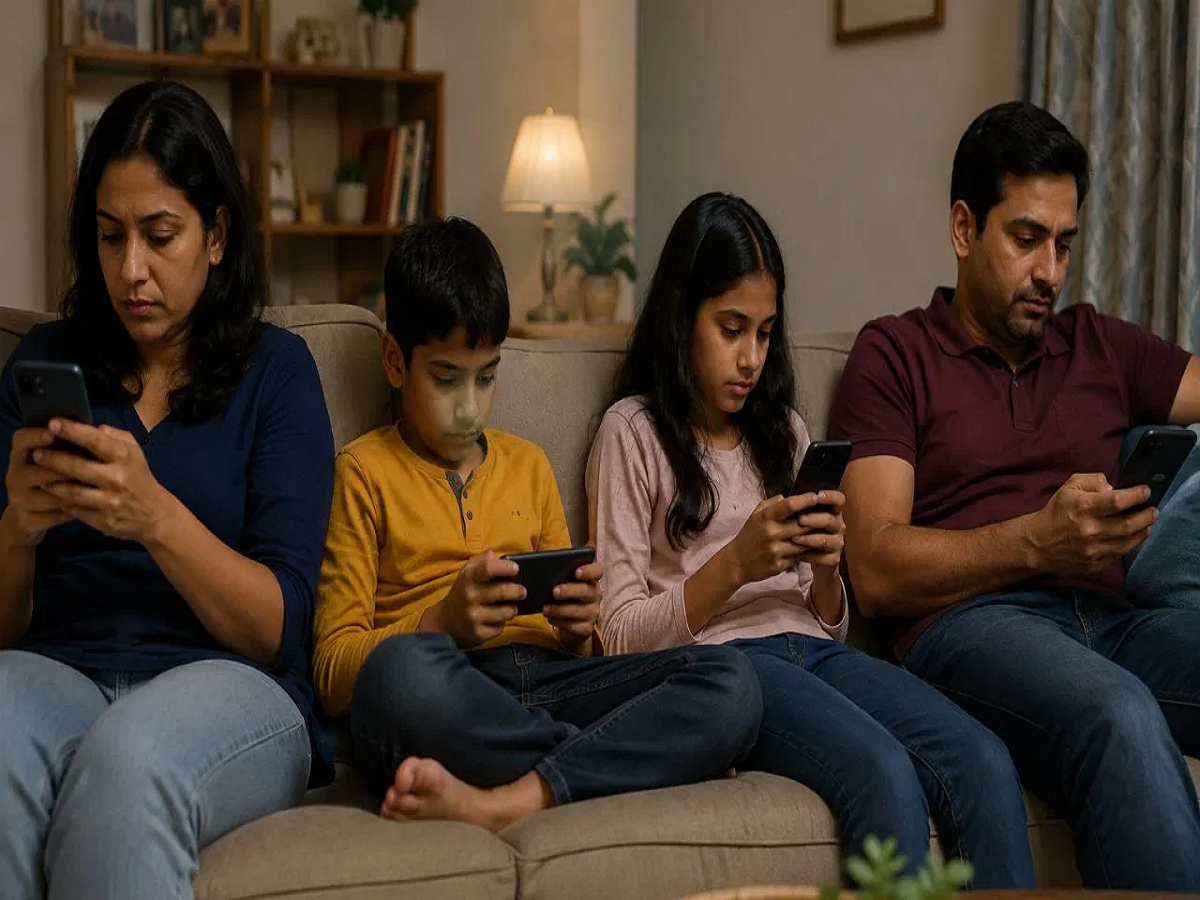
A family sitting together in the same room, yet nobody is talking. Everyone is busy scrolling through short videos, barely noticing the people around them. This scene has become increasingly common in many households.
Short-form videos can be entertaining and a quick way to pass time, but spending hours scrolling from one video to another can gradually become a habit that is difficult to control. The problem isn't only about screen time. Excessive scrolling can also affect conversations, emotional connection, and the quality of relationships with family members and partners.
Research has linked problematic short-form video use with various psychological and behavioural concerns, while excessive screen use can also encourage a more sedentary lifestyle. But one of the less obvious consequences can be the growing distance between people who live under the same roof.
Why are Reels so addictive?
One reason short-form videos can be difficult to stop watching is their constant stream of new and unpredictable content. Every swipe brings something different, creating a cycle of anticipation and reward.
This is sometimes described in terms of a variable reward pattern. Because you don't know whether the next video will be funny, interesting, surprising, or emotionally engaging, you may continue scrolling in search of the next rewarding piece of content.
What starts as a few minutes can easily turn into an hour or more.
The constant novelty can change our attention habits
Reels are designed to deliver new information within seconds. According to experts, repeated exposure to this fast-paced content can make slower activities feel less stimulating.
Dr. Pankaj Kumar, Principal Consultant Psychiatrist at Max Hospital, notes that short-form video consumption has become common among people of different age groups and that excessive use can affect relationships.
When someone becomes accustomed to constant novelty and instant stimulation, an ordinary conversation with a family member may seem less exciting by comparison. Over time, this can reduce the willingness to engage in meaningful conversations.
What is phubbing?
One of the clearest ways excessive phone use can affect relationships is through "phubbing" — ignoring or paying less attention to someone who is physically present because you are focused on your phone.
For example, a couple may sit together after work, but instead of talking about their day, one or both people may spend that time scrolling. Similarly, family members may gather around the dinner table while everyone remains focused on their individual screens.
The people are physically together, but their attention is somewhere else.
Emotional distance can slowly increase
Relationships need regular communication and attention. When phone use repeatedly takes priority over conversations, opportunities to connect can gradually decrease.
Small conversations that once happened naturally — asking about someone's day, discussing a problem, sharing a joke, or simply sitting together — may become less frequent.
Over time, this can create emotional distance. Family members may begin to feel ignored or unimportant, even when the person using the phone has no intention of hurting them.
Can excessive scrolling contribute to loneliness?
Constantly consuming personalised content can also create an environment where people spend more time inside their digital world.
Social media algorithms often show users content based on their previous interests and interactions. As a result, people can spend hours consuming content that matches what they already like or believe.
If real-life conversations begin to feel boring compared with the constant stimulation of short videos, a person may gradually withdraw from social interactions. This can contribute to feelings of loneliness and disconnection.
A warning sign is when someone starts feeling bored without their phone — while eating, relaxing, talking to family, or even before going to sleep.
How can you reduce Reels addiction?
You don't necessarily need to stop using your smartphone completely. The goal is to create healthier boundaries around screen use.
1. Create phone-free periods
Set specific times when phones are not used at home. Mealtimes can be a good place to start. Put the phone away and give your attention to the people around you.
2. Avoid scrolling before bedtime
Try to keep your phone away from the bed and avoid prolonged screen use before sleeping. Creating a relaxing bedtime routine can make it easier to disconnect from the digital world.
3. Spend quality time with family
Make it a habit to spend at least 30 minutes each day talking, walking, having tea, playing a game, or simply sitting with family members without phones.
4. Set limits on short-form video apps
Use your phone's built-in screen-time controls to set daily limits for social media and short-video applications. Turning off unnecessary notifications can also reduce the urge to check your phone repeatedly.
The real goal is connection, not complete disconnection
Reels themselves are not necessarily harmful. The problem begins when scrolling becomes so frequent that it interferes with sleep, work, physical activity, conversations, or relationships.
A phone can connect us to millions of people around the world, but excessive use can sometimes make us ignore the people sitting right next to us.
The next time everyone in the house is sitting together but nobody is talking, perhaps the most important thing to put down isn't the conversation — it's the phone.