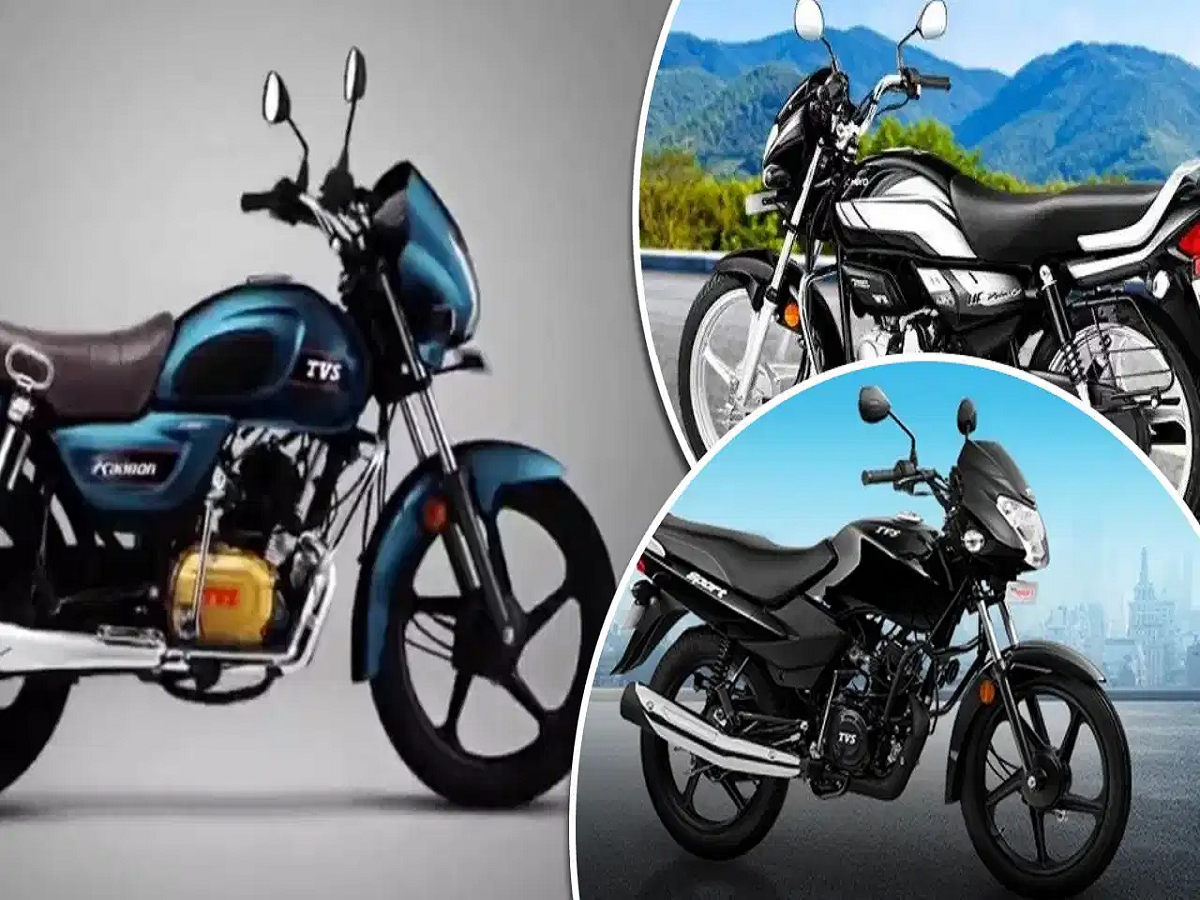
India's two-wheeler market is seeing a major shift, with rural areas emerging as the biggest source of demand. During the first six months of 2026, rural India accounted for 55% of all two-wheeler registrations in the country, highlighting the growing importance of smaller towns and villages for two-wheeler manufacturers.
According to JATO Dynamics data, urban areas contributed 32% of registrations, while metro cities accounted for another 13%. The figures include motorcycles, scooters and electric two-wheelers.
For manufacturers, the message is clear: India's next phase of two-wheeler growth may increasingly come from rural customers.
Motorcycles remain the top choice in rural India
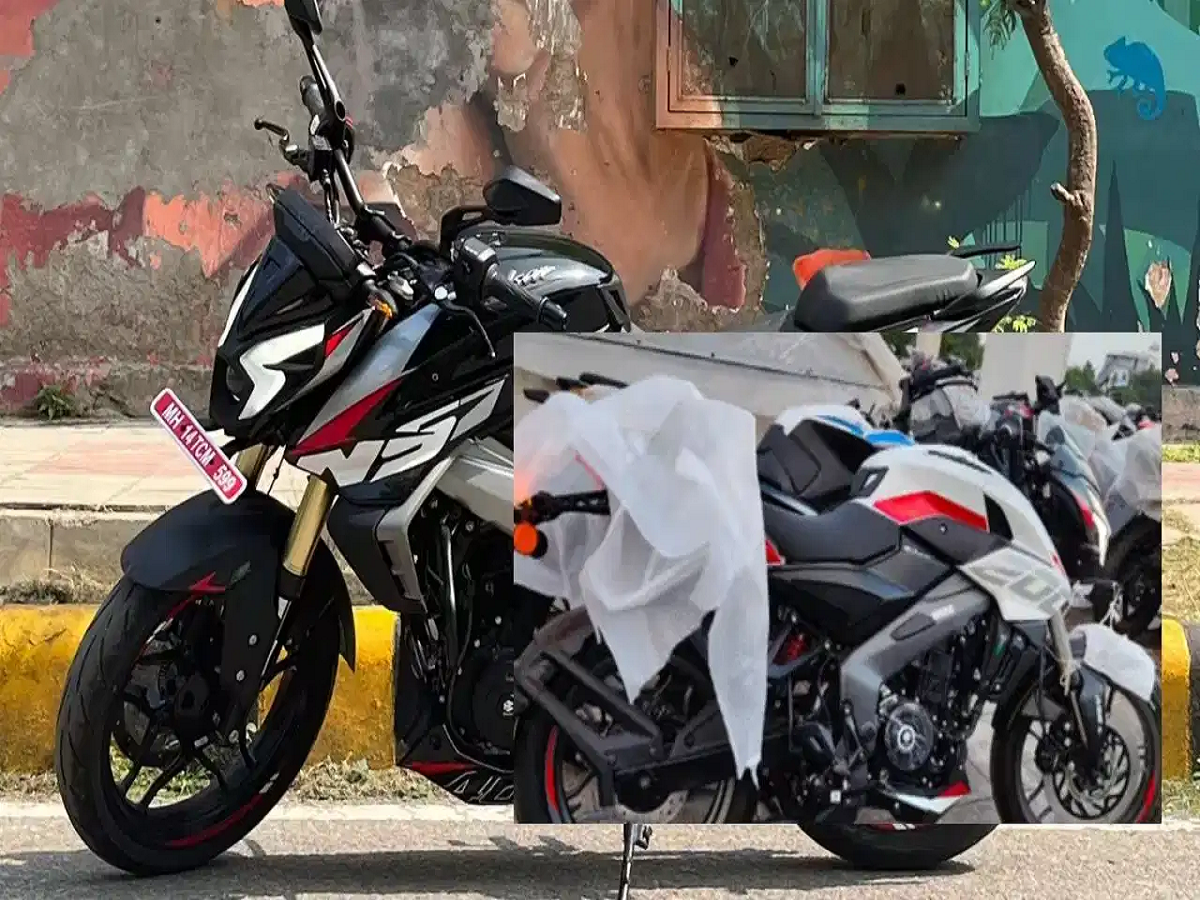
Motorcycles continue to dominate rural two-wheeler purchases.
Between January and June 2026, motorcycles accounted for 68.3% of rural two-wheeler registrations. Affordable commuter bikes, particularly those in the 100cc-125cc range, were the most popular.
These motorcycles appeal to rural buyers because they generally offer a combination of:
-
Good fuel efficiency
-
Affordable purchase prices
-
Lower running costs
-
Simple maintenance
-
Practicality for everyday travel
In fact, motorcycles between 100cc and 125cc made up nearly 75% of rural motorcycle registrations during the period.
Scooters are gaining ground too
Motorcycles may dominate, but scooters are also becoming increasingly popular outside India's major cities.
Scooters accounted for around 24% of rural two-wheeler registrations. Interestingly, demand was fairly balanced between 90-110cc and 125cc models, suggesting that rural buyers are considering both affordability and performance when choosing scooters.
The growing popularity of scooters could also reflect changing mobility preferences among families and younger buyers.
Electric two-wheelers are growing, but petrol still dominates
Electric two-wheelers have started making inroads into rural India, although petrol vehicles remain overwhelmingly dominant.
During the first half of 2026, around 94% of rural two-wheeler registrations were petrol-powered, while electric two-wheelers accounted for approximately 5.9%.
In comparison, EVs represented around 10.7% of urban two-wheeler registrations and 10.9% in metro cities.
This shows that rural EV adoption still has a considerable gap to close. However, the presence of electric scooters and motorcycles is gradually increasing.
TVS and Bajaj lead rural EV registrations
Among electric two-wheelers registered in rural areas, TVS Motor Company and Bajaj Auto together accounted for 56% of registrations.
Their strong presence indicates that established manufacturers with extensive dealership and service networks could have an advantage as electric mobility expands beyond India's major cities.
Rajasthan has a strong preference for 100-110cc bikes
Different states show different purchasing patterns.
Rajasthan stands out for its strong preference for smaller commuter motorcycles. Bikes in the 100-110cc category accounted for around 74% of total two-wheeler registrations in the state's rural market.
Uttar Pradesh and Madhya Pradesh also showed strong demand for commuter motorcycles, with buyers placing considerable importance on everyday practicality and fuel efficiency.
Why rural India is so important for two-wheeler companies
Two-wheelers are particularly suited to rural mobility because they can handle daily commuting, local travel and relatively challenging road conditions while remaining affordable to operate.
The strong rural share also shows that two-wheelers are not simply a means of urban transportation. For many rural households, they remain an essential part of everyday mobility.
The road ahead for the two-wheeler market
The first-half 2026 registration data highlights a major trend: India's two-wheeler growth story is increasingly being driven by rural customers.
Commuter motorcycles in the 100cc-125cc range remain the clear favourites, while scooters are steadily expanding their presence. Electric two-wheelers are still a smaller part of the rural market, but their gradual growth could become one of the industry's biggest stories in the coming years.
For two-wheeler manufacturers, winning rural India could therefore be just as important as competing in the country's biggest cities.