Russia has strongly rejected media reports suggesting a secret intelligence deal involving Iran and Ukraine, calling the claims “fake news.” The denial comes after a report alleged that Moscow had proposed halting intelligence sharing with Iran in exchange for the United States stopping similar support to Ukraine.
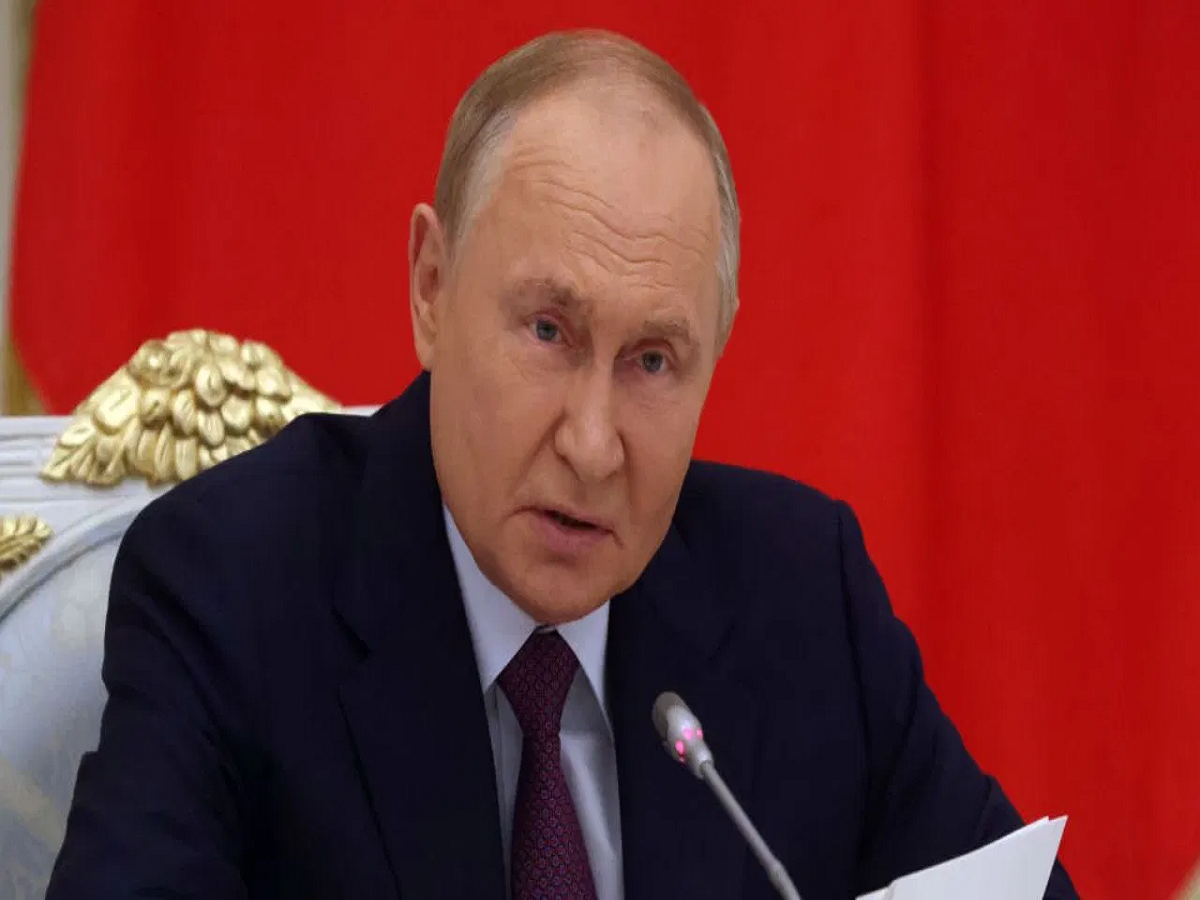
According to a report by Politico, Russian President Vladimir Putin’s envoy Kirill Dmitriev allegedly made the proposal during a meeting with representatives linked to the Trump administration in Miami. However, Dmitriev dismissed the claims outright, denying any such discussions took place.
US Reportedly Rejected Proposal
The Politico report, citing sources familiar with US-Russia talks, claimed that Washington rejected the proposal. The United States has been providing intelligence support to Ukraine since Russia launched its invasion in February 2022, making such a deal highly sensitive.
Sharp Reactions in the US
The report also triggered political reactions in the United States. Republican Congresswoman Anna Paulina Luna criticised the publication, accusing it of spreading unverified information and attempting to escalate tensions. She urged the public to disregard such reports, claiming they lack credibility and access to official discussions.
Earlier Claims Also Denied
Separately, previous reports by The Washington Post had suggested that Russia shared sensitive intelligence with Iran during its ongoing conflict involving the US and Israel, including details about American military positions in the Middle East. The Kremlin has denied those claims as well.
Russia-Iran Ties Under Scrutiny
While Moscow has officially maintained that it is providing humanitarian assistance amid ongoing conflicts, its relationship with Iran continues to draw attention. Iran has been a key ally for Russia, particularly during the Ukraine war, with reports indicating that Tehran supplied drones used in military operations.
The latest controversy highlights the complex web of geopolitical alliances and information warfare, where competing narratives and denials continue to shape global perceptions.