TECH
Samsung Brings AI to Older Home Appliances: Refrigerators and Washing Machines Get New Smart Features
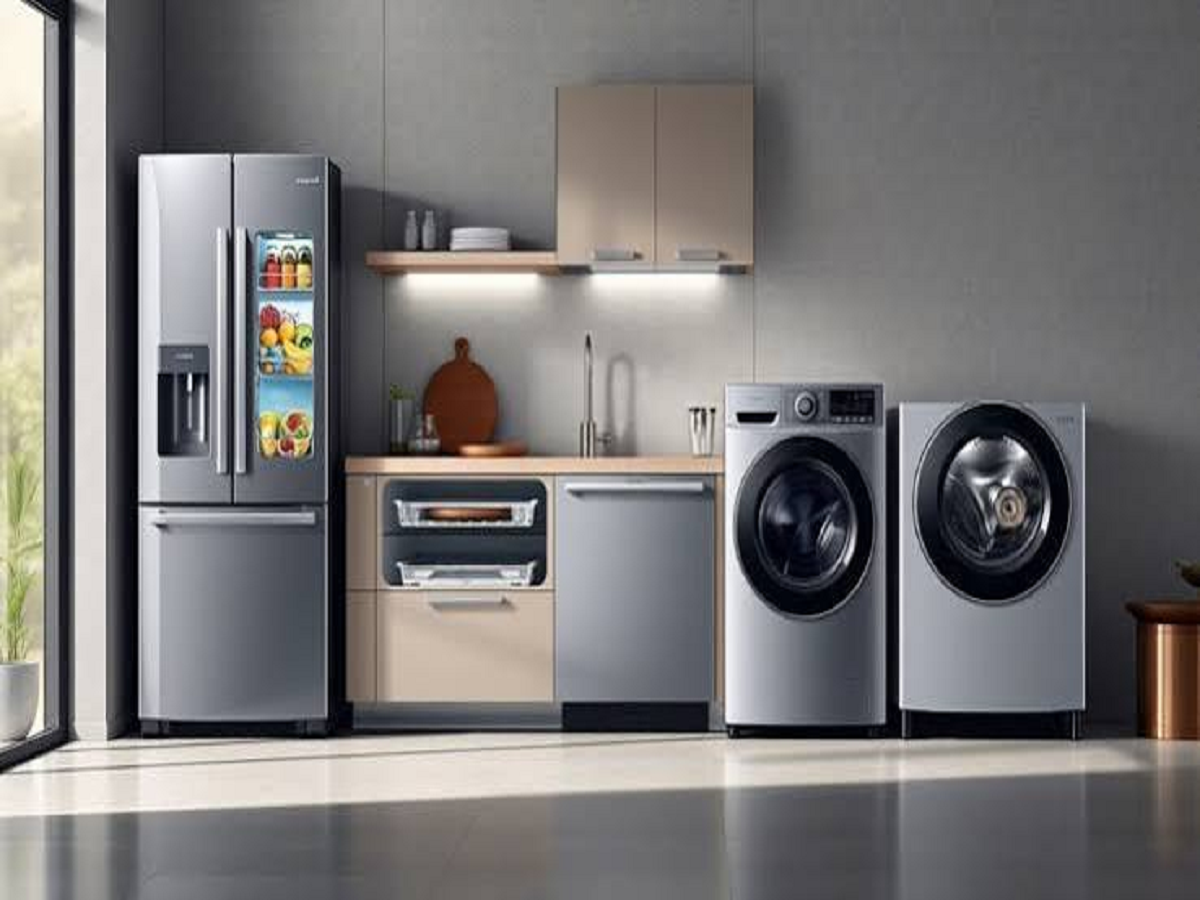
Artificial intelligence is no longer limited to smartphones and computers. Samsung is now bringing more AI-powered features to its home appliances, with a new software update designed to extend the usefulness of select refrigerators and washing machines.
The company has announced software updates based on Tizen 10.0, bringing an updated Bixby experience, expanded AI functions and a refreshed interface to compatible appliances.
Your Refrigerator Could Become Smarter
Samsung's latest update is designed to make compatible refrigerators more interactive.
With an improved Bixby experience, users can interact with their appliances using more natural commands instead of relying only on traditional menus and controls.
The broader goal is to make smart appliances easier to operate while giving users more control over connected features.
AI Is Moving Beyond Smartphones
For years, AI features were primarily associated with phones, laptops and cloud-based applications. Samsung's latest move shows how manufacturers are increasingly putting AI directly into everyday household products.
Instead of simply connecting an appliance to a smartphone, newer smart appliances are being designed to understand commands and provide more personalised experiences.
This could eventually make routine household tasks easier, particularly for users who already have several connected devices at home.
Washing Machines Are Also Getting Smarter
Samsung is extending the software upgrade to selected laundry appliances as well.
The company says the update brings expanded AI features and an updated interface to compatible refrigerators and washing machines.
This is important because software updates can potentially add functionality to an appliance even after it has been purchased.
Why Software Updates Matter for Appliances
Traditionally, buying a washing machine or refrigerator meant that most of its features were fixed from the day it was installed.
Connected appliances are changing that model.
With software-based features, manufacturers can introduce improvements, new controls and AI capabilities without requiring consumers to replace the entire appliance.
That could make premium appliances more useful for a longer period.
Samsung Is Building an AI Ecosystem
Samsung has been pushing AI across several categories, including smartphones, televisions, wearables and home appliances.
The company's latest Galaxy devices are already heavily focused on AI, while its home-appliance division is also expanding the use of intelligent software. Samsung has described its broader strategy as bringing AI deeper into everyday experiences.
The result could be a connected ecosystem where smartphones, watches and household appliances work together rather than operating as completely separate devices.
Not Every Appliance Will Get the Update
There is an important catch. The new Tizen 10.0 software update is being provided to select Samsung refrigerators and laundry appliances, so owners should not assume that every model will receive the same features.
Availability can depend on the appliance model, market and existing software support.
Users should therefore check their specific model and available software updates before expecting the new AI features.
Is AI in Home Appliances Really Useful?
The answer may depend on how well these features are integrated.
AI can be genuinely useful when it reduces the number of steps required to perform everyday tasks. But simply adding the word "AI" to an appliance does not automatically make it smarter or more useful.
Samsung's challenge will be to ensure that its AI features actually save time and make appliances easier to operate.
The Future of Smart Homes Could Look Very Different
Samsung's latest update is another sign that the smart-home market is moving beyond basic smartphone-controlled appliances.
In the future, refrigerators, washing machines, air conditioners and other household devices could increasingly understand natural-language commands and adapt to individual users.
As AI moves deeper into the home, the definition of a "smart appliance" could change from a device that connects to the internet to one that can actually understand what the user wants and respond accordingly.