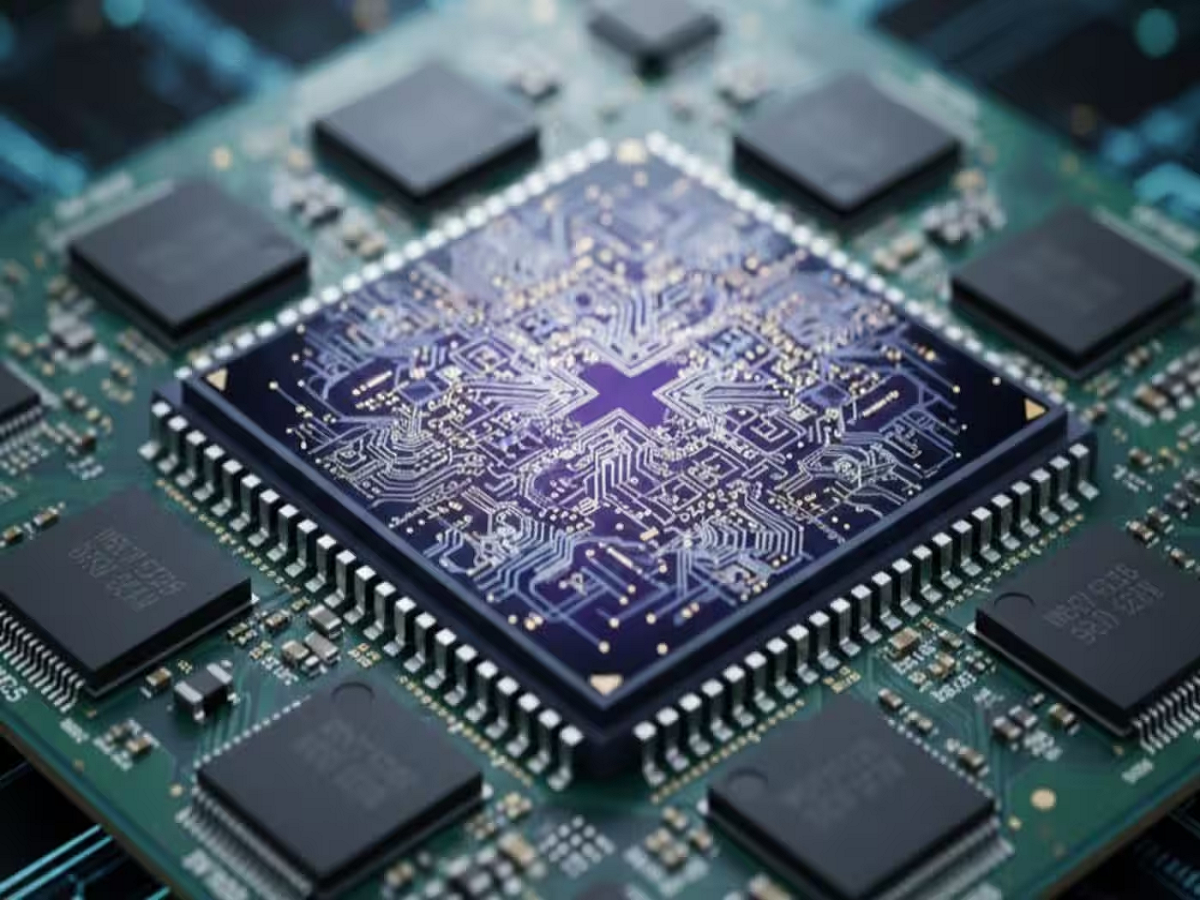
The artificial intelligence boom is creating an unexpected problem for ordinary technology users. As companies build increasingly powerful AI systems, demand for advanced memory chips is rising sharply, putting pressure on the supply of memory used in smartphones, laptops and other consumer electronics.
The shortage could eventually affect the prices of everyday gadgets, with manufacturers facing higher component costs. Industry reports say the situation is being driven largely by the huge amount of memory required by AI data centres.
Why Does AI Need So Much Memory?
Modern AI models require enormous amounts of data to be processed simultaneously. This has created huge demand for specialised high-bandwidth memory, commonly known as HBM.
HBM is more complex and profitable to manufacture than conventional memory chips. As a result, chipmakers are directing more production capacity towards AI-related products.
This is creating a difficult situation for consumer electronics manufacturers, because the same companies are also major suppliers of memory used in phones, computers and other devices.
Smartphones Could Feel the Impact
Memory chips are an important component inside modern smartphones. They are used for RAM as well as storage, and newer AI-powered phones are increasingly demanding more memory.
If memory becomes significantly more expensive, smartphone manufacturers have a few options. They could absorb the additional cost, reduce production, remove certain hardware features or increase the retail price of devices.
For consumers, the last option could eventually mean more expensive smartphones.
Samsung, SK Hynix and Micron Face Huge Demand
The global memory-chip market is dominated by major manufacturers including Samsung, SK Hynix and Micron.
These companies are investing heavily in additional manufacturing capacity, but new semiconductor factories take years to build and bring online.
Industry analysis suggests that meaningful increases in production capacity may not arrive until the 2027–2030 period, meaning supply pressure could continue for some time.
Why AI Data Centres Are Changing the Market
AI companies are building enormous data centres filled with specialised processors and memory.
The scale of investment is significantly different from traditional computing infrastructure. AI systems require large quantities of high-performance chips, and companies are willing to pay premium prices to secure supply.
This gives AI-related customers greater purchasing power compared with manufacturers of conventional consumer electronics.
What Does This Mean for Laptop and PC Prices?
The impact may not be limited to smartphones.
Laptops, desktop computers, tablets and gaming devices also depend on memory components. If manufacturers face higher costs for RAM and storage, those expenses could eventually be passed on to customers.
Budget devices may be particularly vulnerable because manufacturers operating with thin profit