BUSINESS
SEMICON India 2026: Why India’s Biggest Semiconductor Event Could Change the Future of Electronics
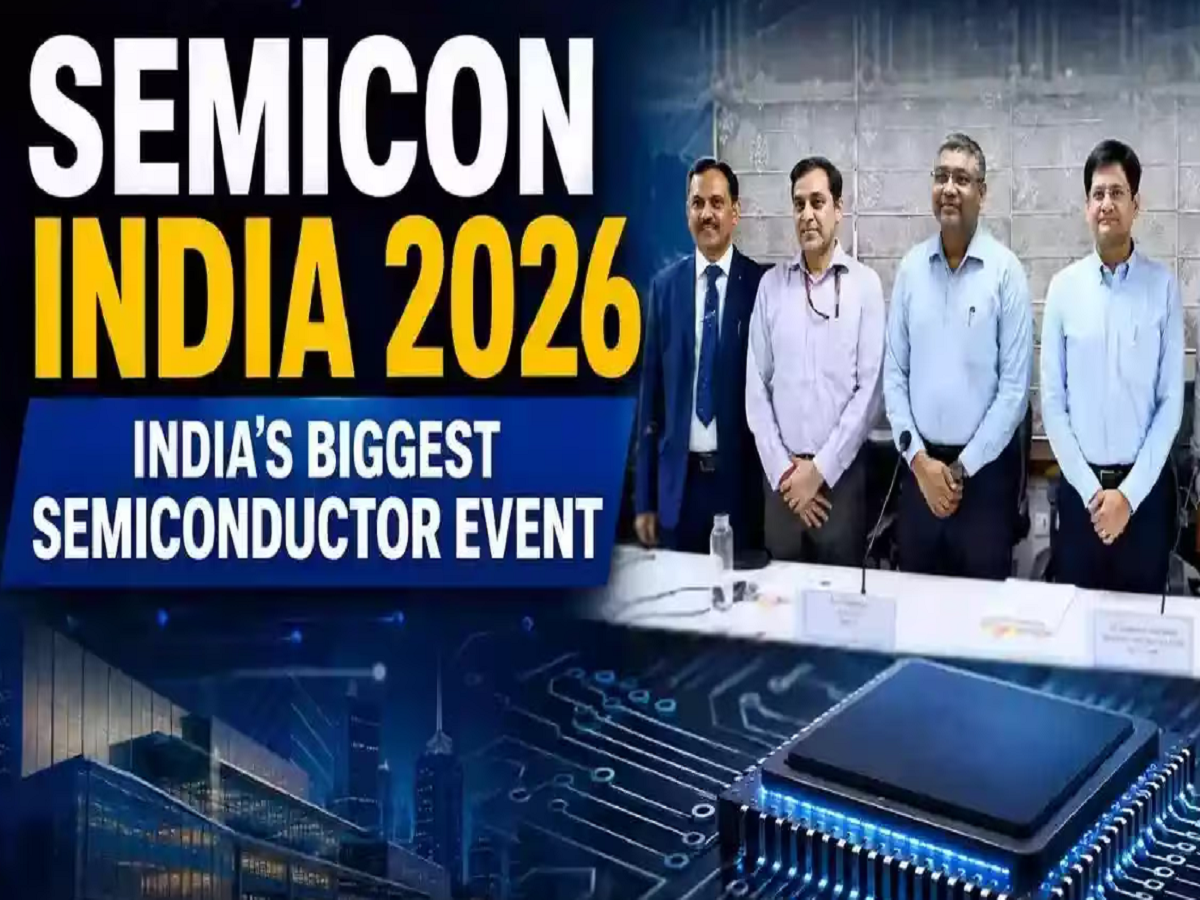
India is preparing for one of its biggest technology events of the year as SEMICON India 2026 is set to take place from September 17 to 19 at Yashobhoomi in New Delhi.
The fifth edition of the semiconductor and electronics event will bring together more than 600 exhibitors, 300 international companies and delegations from over 40 countries. Prime Minister Narendra Modi is scheduled to inaugurate the event on September 17.
The event comes at an important time for India's technology industry, as the country is attempting to build a stronger semiconductor ecosystem and reduce its dependence on imported electronic components.
Why Are Semiconductors So Important?
Semiconductors are the tiny electronic components that power much of modern technology.
They are found in:
- Smartphones
- Laptops
- Cars
- Smart TVs
- Medical equipment
- Satellites
- Industrial machines
- Data centres
- Artificial intelligence systems
Modern AI models also depend heavily on advanced semiconductor technology.
This means that whoever has a strong semiconductor industry can have a major advantage in the wider technology economy.
What Is SEMICON India 2026?
SEMICON India is an industry event focused on the semiconductor and electronics manufacturing ecosystem.
The 2026 edition is being held under the theme “Silicon to Systems: Building the Ecosystem.”
The idea is to showcase India's growing capabilities across the semiconductor value chain rather than focusing only on chip manufacturing.
That includes areas such as chip design, manufacturing, packaging, testing, equipment and electronics systems.
India Wants to Build the Entire Semiconductor Ecosystem
Manufacturing a modern chip is an extremely complicated process.
A semiconductor ecosystem requires much more than a factory.
It involves:
- Chip design
- Semiconductor fabrication
- Advanced packaging
- Testing
- Semiconductor equipment
- Materials and chemicals
- Electronics manufacturing
- Skilled engineers and technicians
India already has a large pool of engineers and a significant chip-design industry. The government is now trying to expand manufacturing and other parts of the ecosystem.
Why This Matters for Consumers
At first glance, semiconductor manufacturing may seem unrelated to everyday smartphone users.
But it could eventually have a direct impact.
A stronger domestic semiconductor ecosystem could help India develop greater capacity to manufacture and assemble products such as smartphones, computers, automobiles and electronic equipment.
It could also make the country more resilient when global chip shortages disrupt supply chains.
The semiconductor industry became particularly important after the global chip shortage demonstrated how dependent modern industries are on a relatively small number of manufacturing hubs.
AI Is Making Chips Even More Important
Artificial intelligence is creating a huge new demand for high-performance chips.
AI data centres require specialised processors capable of performing enormous numbers of calculations.
As India expands its AI ambitions, it will also need access to advanced computing hardware.
The government has identified semiconductors and AI as strategically important technologies and is supporting research, manufacturing and innovation in both areas.
This creates an important connection:
More AI → more computing → more advanced chips.
India Already Has a Growing Semiconductor Push
The government has been supporting semiconductor manufacturing and related projects through the India Semiconductor Mission.
The broader goal is to attract investment into semiconductor fabrication, packaging and testing while building domestic capabilities.
The government has also been emphasising the importance of semiconductor design and research.
This approach is intended to ensure that India does not simply become a location where imported components are assembled, but develops capabilities across multiple stages of the technology supply chain.
What About Chip Design?
India is already a major global centre for semiconductor design.
Many multinational technology companies have large engineering and chip-design operations in the country.
The next challenge is connecting India's design capabilities with domestic manufacturing.
If companies can design chips in India and increasingly manufacture, package and test them within the country, India could capture a larger share of the semiconductor value chain.
New Opportunities for Engineers
The semiconductor expansion could also create new career opportunities.
Demand could grow for professionals working in:
- Chip design
- Electronics engineering
- VLSI
- Semiconductor manufacturing
- Embedded systems
- Robotics
- AI hardware
- Materials science
- Testing and packaging
- Semiconductor equipment
- Industrial automation
The government has also been supporting skill-development programmes because semiconductor manufacturing requires specialised technical expertise.
Why the Global Industry Is Watching India
Semiconductor manufacturing is concentrated in a relatively small number of countries and companies.
That makes supply-chain diversification increasingly important for technology companies.
India offers several potential advantages, including a large domestic market, a large engineering workforce and an expanding electronics-manufacturing industry.
If India can successfully build more semiconductor manufacturing and supporting infrastructure, multinational companies could have another major location from which to source components and manufacture electronics.
The Biggest Challenge Is Infrastructure
Building semiconductor factories is not like building an ordinary manufacturing plant.
Chip fabrication requires extremely clean environments, specialised equipment, reliable electricity, large quantities of high-purity water and highly controlled manufacturing conditions.
The facilities are also enormously expensive.
This means India's semiconductor ambitions will require long-term investment rather than a quick expansion.
Semiconductors and India's Digital Future
India's digital economy is already enormous, with UPI, smartphones, cloud computing and online government services becoming part of everyday life.
The next stage will require even more computing infrastructure.
AI, autonomous systems, electric vehicles, robotics and advanced telecommunications will all depend on sophisticated chips.
This makes semiconductor capability increasingly important not only for technology companies but also for India's broader economic and strategic interests.
What to Expect From SEMICON India 2026
The three-day event is expected to bring together government representatives, global semiconductor companies, researchers, investors and technology professionals.
With more than 600 exhibitors and participation from over 40 countries, the event will provide a snapshot of how quickly India's semiconductor ecosystem is developing.
The theme of “Silicon to Systems” is particularly significant because it reflects a broader ambition: building an ecosystem that connects individual chips with complete electronic systems.
Bottom Line
SEMICON India 2026 is more than a technology exhibition. It is a sign of India's growing ambition to become a major player in the global semiconductor industry.
The country is trying to strengthen everything from chip design and manufacturing to packaging, testing and electronics production.
If these efforts succeed, the impact could eventually reach ordinary consumers through more resilient electronics supply chains, new technology products, greater manufacturing capacity and potentially thousands of specialised jobs.